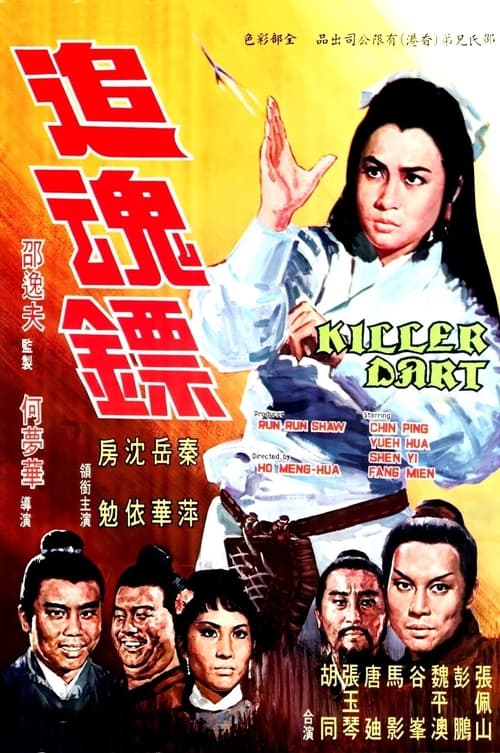
Killer Darts
1968
No user ratings available yet
Representation score: 2.1 out of 10
Representation Score
Limited
1968
Director
Cheng Kang
Runtime
106 minutes
Average Rating
No ratings yetNew Showbiz Analysis
The film is a classic hero's journey rooted in 1968 action cinema. It prioritizes themes of individual honor and nationalistic defense over exploring diverse identities or disrupting social hierarchies. While the protagonist demonstrates significant influence despite his blindness, the disability functions largely as a plot device to fuel the vengeance narrative. The character's impairment is a direct result of betrayal, framing the disability through the lens of victimization. Gender roles remain traditional, with male characters driving the plot and female characters serving as emotional motivators. The narrative lacks the breadth of representation found in contemporary cinema, focusing instead on a singular cultural and heroic archetype.
Category Breakdown
The film focuses on a traditional masculine storyline of vengeance. There are no representations of LGBTQ+ identities or same-sex relationships.
Male characters like the swordsman and villain play key roles. Female characters mainly serve as catalysts for the hero's motivation through their loss.
The story centers on a specific cultural identity and national heritage. The narrative does not suggest a multi-ethnic cast, focusing instead on a singular protagonist.
The film uses traditional motifs of honor and duty. The moral framework aligns with conventional heroic archetypes centered on national defense.
The protagonist's blindness is a central element. While he maintains significant influence, the impairment is tied to his victimization and serves as a driver for revenge.
Present on Screen
Limited or Absent
Official Synopsis
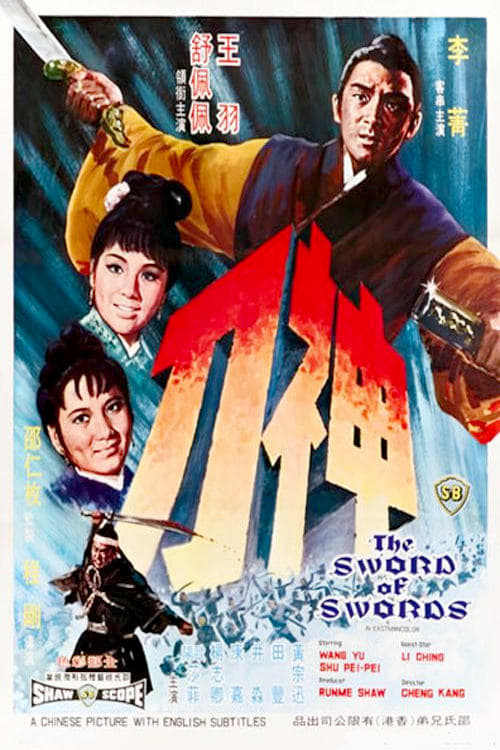
A noble swordsman fights to recover the magical blade that has protected his country for centuries after being blinded and betrayed by a ruthless villain. A cunning killer has blinded the brave warrior chosen to defend his country with an enchanted sword, and murdered his family. After recovering, the sightless defender sets out to recover the weapon, and seek revenge against his murderous nemesis.
1968
1980

1969
1995
1970
1967
1968
1982
No reviews yet. Be the first to share your thoughts on this movie!
Use the rating form above to leave a star rating and optional review.