The Huns
1960
No user ratings available yet
Representation score: 3.3 out of 10
Representation Score
Limited
1982
Director
Franco Prosperi
Runtime
87 minutes
Average Rating
No ratings yetNew Showbiz Analysis
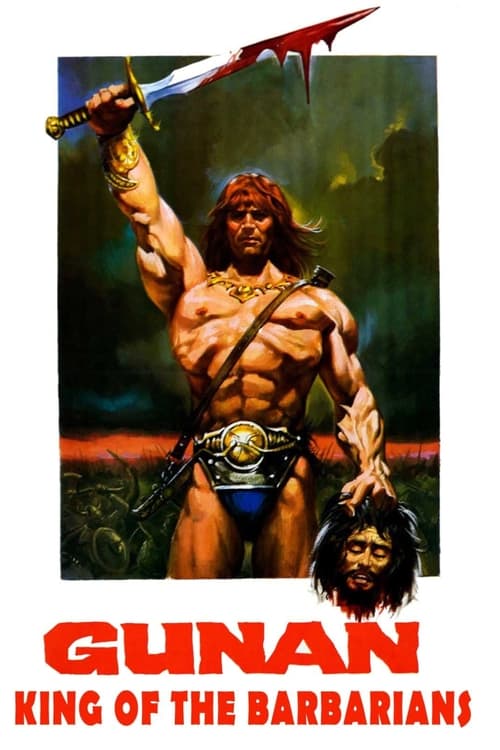
Gunan, King of the Barbarians is a traditional sword-and-sorcery film that prioritizes action over social complexity. It reflects 1980s cinematic norms, relying on well-established genre conventions. The story centers on a hyper-masculine warrior, leaving little space for diverse viewpoints. Although the presence of an all-female warrior tribe deviates slightly from typical roles, the core ability to act stays with traditional masculine leadership. Overall, the film lacks the intention to challenge social hierarchies or explore multiple aspects of identity, focusing instead on physical combat and tribal retaliation.
Category Breakdown
The film does not include any LGBTQ+ characters or identities that challenge heterosexuality. It follows traditional fantasy structures from the early 1980s.
Though the Kuniats are a tribe of Amazon warriors, the main ability to act remains with the male lead. The story emphasizes traditional masculine leadership and strength.
The cast is predominantly European, typical of Italian productions. Tribal differences are used as clichés rather than exploring ethnic identity.
Set in a primitive world, the story avoids modern institutional critiques. It follows a classic hero’s journey focused on tribal loyalty and revenge.
There are no characters with visible or invisible disabilities. The emphasis on physical invincibility centers able-bodiedness as the norm for heroism.
Present on Screen
Limited or Absent
Official Synopsis
The peaceful countryside village of Solmen is savagely assaulted by wild Ungats led by bloodthirsty Magen. In the midst of battle, two baby boys are miraculously saved by a tribe of Amazon warriors known as the Kuniats. The warriors nurture and train the boys for future struggles. The stronger of the two is named , Gunan The Invincible. It is up to Gunan to avenge the annihilation of his people. Gunan stages a spectacular one man war of vengeance against his enemy the Ungats, but they prove to be a formidable enemy, and much bloodshed ensues.
1960
1980
1978

1978
1986
2013

1972

1982
No reviews yet. Be the first to share your thoughts on this movie!
Use the rating form above to leave a star rating and optional review.