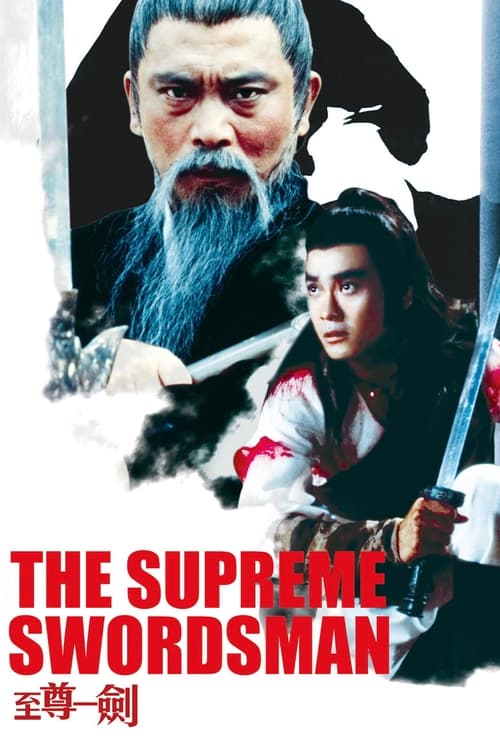
The Supreme Swordsman
1984
No user ratings available yet
Diversity score: 3.8 out of 10

1968
Director
Cheng Kang, Griffin Yueh Feng
Runtime
80 minutes
Average Rating
No ratings yetSynopsis
Lone swordsman Jiang Dan-Feng (Wong Chung-Shun) is ambushed by a pair of bandits and quickly despatches them. One of them, as he is dying, asks Jiang to take his personal effects to his sister. This being a Wuxia film, our hero is bound by a strict code of honour, and he agrees. The bandit’s sister, Xiu Xiu (Shu Pei-Pei), is surprisingly forgiving and tells him that he got mixed up in a bad crowd of robbers before he died. As it happens, these self-same bandits are threatening to tear up the village at any moment, and Jiang prepares to defend it despite being despised by the town folk for killing Xiu Xiu’s brother.
Overall Score
Limited
Category Breakdown
LGBTQ+ Representation
The film lacks LGBTQ+ characters or narratives that critique heteronormativity. It adheres to the standard romantic and platonic archetypes typical of the 1960s Wuxia era.
Gender Representation
Xiu Xiu demonstrates emotional agency through her capacity for forgiveness. However, central agency remains concentrated in the male protagonist, Jiang Dan-Feng, following traditional genre structures.
Racial & Ethnic Diversity
The cast is culturally homogeneous, reflecting the Hong Kong film industry of its time. It serves as a definitive expression of regional identity without seeking to disrupt ethnic hierarchies.
Religious & Cultural Diversity
The story is rooted in Confucian-adjacent values and a strict code of honor. The protagonist's duty reinforces traditional virtues rather than critiquing existing social structures.
Disability Representation
There is no information regarding the portrayal of physical or neurodivergent disabilities in this work.
Strengths
Areas for Improvement
AI Analysis
The film is a classic Wuxia piece that operates strictly within the established moral and social frameworks of the late 1960s. It prioritizes traditional themes of chivalry and duty over modern subversion or intersectional representation. While the film offers a strong sense of regional cultural identity, it lacks diversity in terms of gender agency and LGBTQ+ presence. The narrative architecture is built around a male hero's adherence to a rigid code of honor. Ultimately, the film functions as a genre-standard exploration of loyalty and integrity, maintaining the status quo of its era rather than challenging systemic power dynamics.
1984
1967
1968
1978
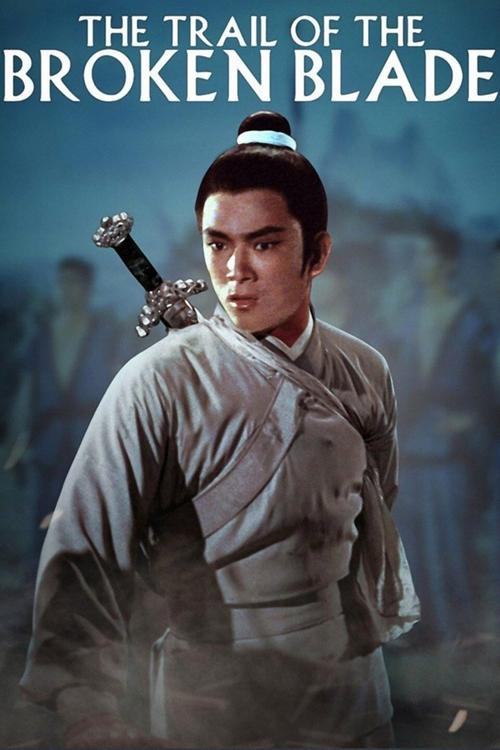
1967

1977
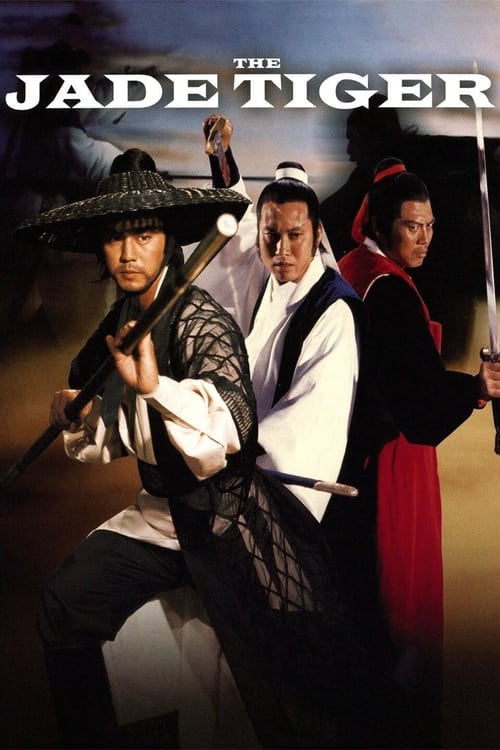
1977
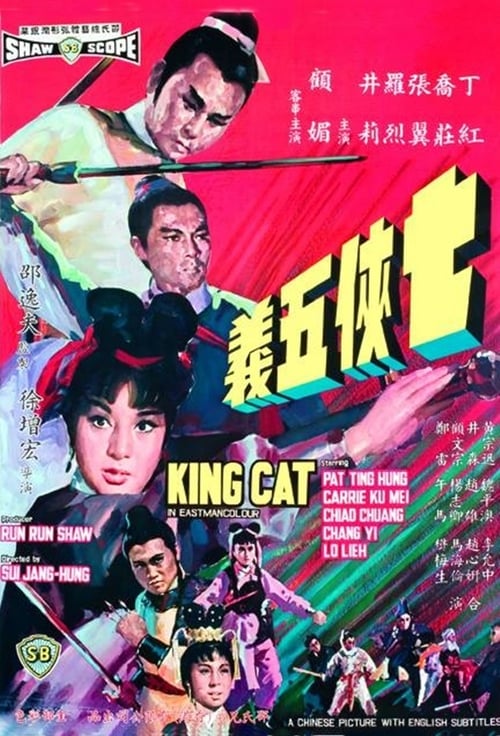
1967
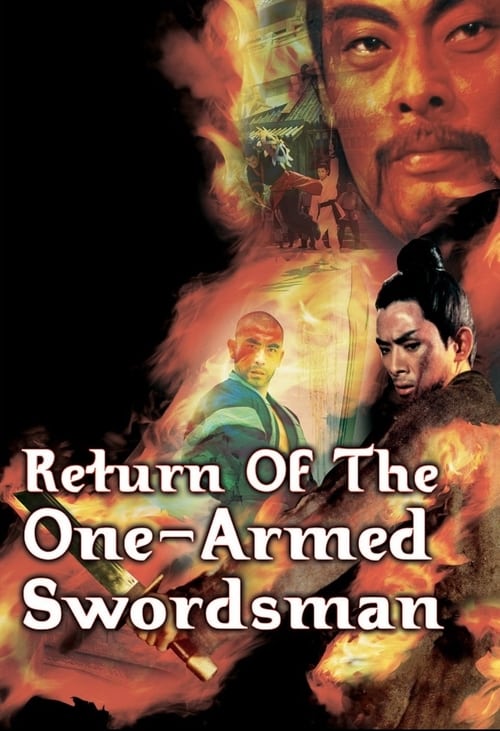
1969

1969
1987
1969
No reviews yet. Be the first to share your thoughts on this movie!
Use the rating form above to leave a star rating and optional review.