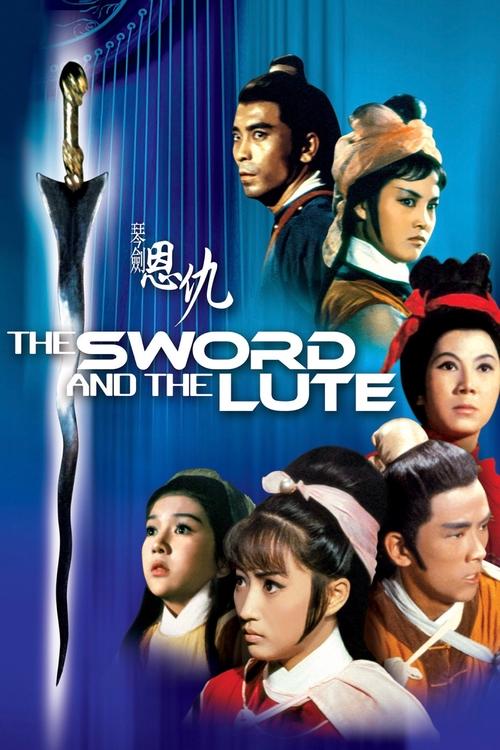
The Sword and the Lute
1967
No user ratings available yet
Diversity score: 3.8 out of 10
1968
Director
Pan Lei
Runtime
84 minutes
Average Rating
No ratings yetSynopsis
A great "swordfighter" learns humility after he is defeated by a master martial arts monk. But his reputation always precedes him, leading to danger, destruction, challenges, cruelty, kidnapping, and killing.
Overall Score
Fair
Category Breakdown
LGBTQ+ Representation
The film follows traditional heteronormative structures common to 1968 martial arts cinema. There is no evidence of non-cisnormative identities or same-sex intimacy.
Gender Representation
The story centers on a male protagonist's journey toward humility. It reinforces traditional masculine roles of the warrior and protector without subverting gendered power dynamics.
Racial & Ethnic Diversity
The cast is culturally homogeneous, reflecting the Hong Kong/Chinese martial arts tradition. It offers a non-Western perspective but lacks multicultural blending.
Religious & Cultural Diversity
Themes of martial mastery and humility are rooted in traditional Eastern philosophies. The presence of a martial arts monk suggests a focus on classical spiritual discipline.
Disability Representation
The narrative contains no discernible mention of characters navigating physical or neurodivergent disabilities.
Strengths
Areas for Improvement
AI Analysis
The film is a traditional wuxia genre piece that prioritizes classical tropes of heroism and personal growth. Its narrative structure adheres to the cinematic standards of the late 1960s rather than attempting to disrupt social hierarchies. While the film provides a non-Western cultural perspective through its martial arts setting, it remains culturally homogeneous. The focus on a male protagonist's development reinforces conventional gender roles and traditional masculine archetypes. Ultimately, the work operates within a classical moral universe. It lacks the intersectional complexity or progressive representation found in contemporary cinema, focusing instead on stylized combat and moralistic storytelling.
1967
1967
1984
1971
1968
1967
1969
1972
1968
1978
1970
1969
No reviews yet. Be the first to share your thoughts on this movie!
Use the rating form above to leave a star rating and optional review.