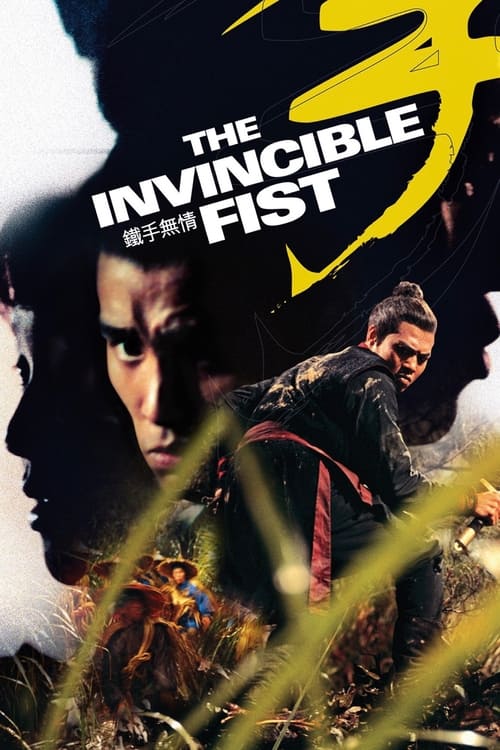
The Invincible Fist
1969
No user ratings available yet
Diversity score: 4.0 out of 10
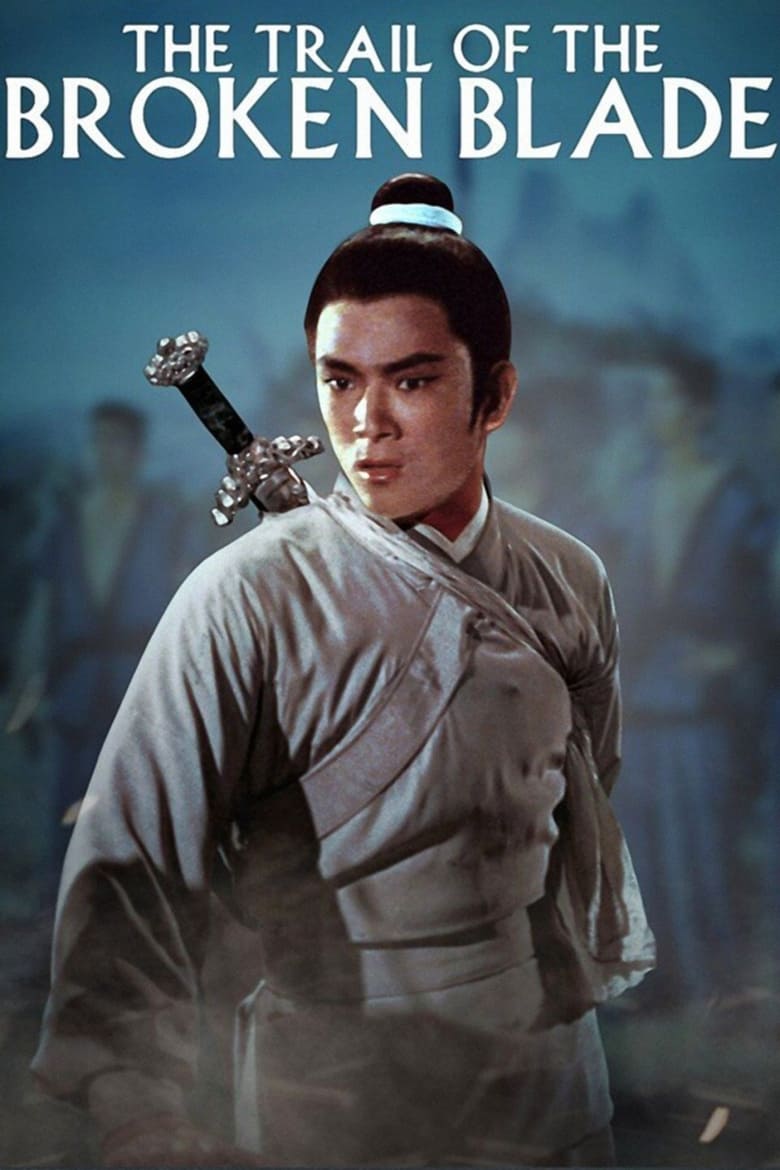
1967
Director
Chang Cheh
Runtime
104 minutes
Average Rating
No ratings yetSynopsis
Chivalrous swordsman Jun-zhao goes in search of a fugitive named Li Yueh in order to reunite him with his love, Liu Xian. Though the two men meet and become loyal brothers, Li does not reveal his true identity until Jun-zhao's life is endangered by swordsmen from Flying Fish Island who are looking for revenge.
Overall Score
Limited
Category Breakdown
LGBTQ+ Representation
The film focuses on heteronormative romantic pairings, such as the bond between Li Yueh and Liu Xian. While intense male brotherhood is a central theme, these connections are framed as martial loyalty rather than queer identity.
Gender Representation
Women occupy secondary roles, often serving as emotional catalysts or romantic interests. The narrative prioritizes male-centric martial arts hierarchies and masculine leadership.
Racial & Ethnic Diversity
Casting is culturally homogeneous, reflecting the historical and geographic context of the Shaw Brothers studio. The film maintains a consistent cultural identity without Western-centric whitewashing.
Religious & Cultural Diversity
The story operates within a traditionalist framework of honor and vengeance. It explores the breakdown of master-disciple authority through personal betrayal rather than systemic social critique.
Disability Representation
There are no prominent depictions of visible or invisible disabilities. Characters with disabilities are not utilized as central plot devices.
Strengths
Areas for Improvement
AI Analysis
The film is a quintessential example of mid-century wuxia filmmaking, prioritizing traditional masculine archetypes and established social hierarchies. Its narrative engine is driven by personal retribution and the codes of the martial arts world. While the film offers a subtle critique of institutional stability through the deconstruction of the master-disciple relationship, it remains a traditionalist text. It focuses on the internal politics of martial arts sects rather than progressive social commentary. Ultimately, the work functions as a genre piece that emphasizes brotherhood and stylized violence over intersectional representation or the subversion of heteronormativity.
1969

1969
1984
1970
1967
1980
1962
1969
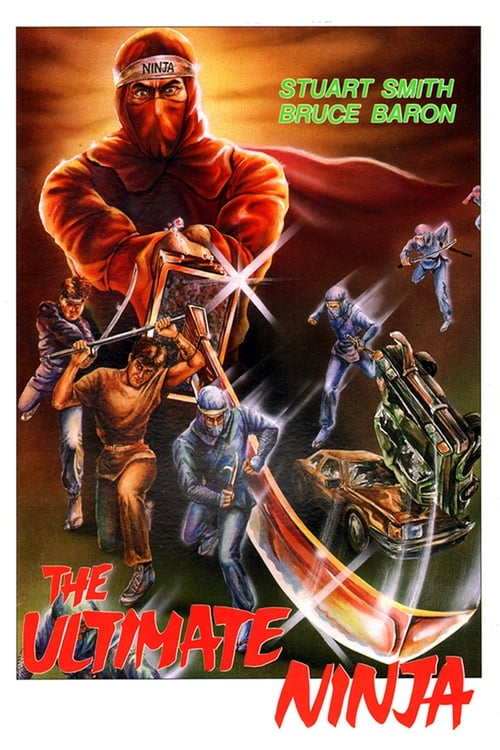
1987
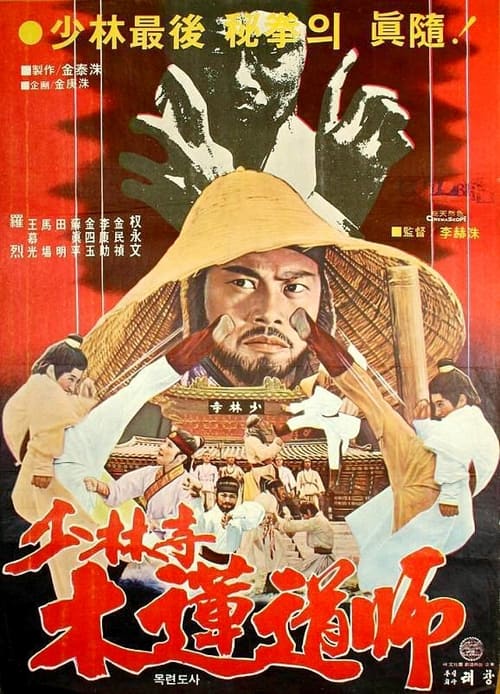
1978
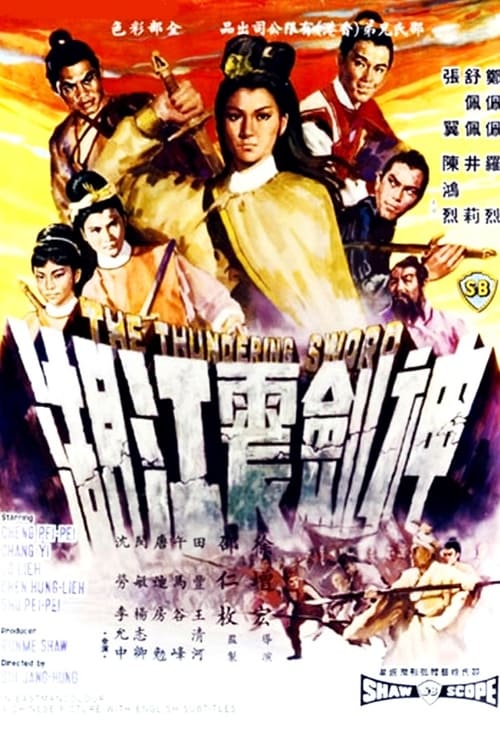
1967
1966
No reviews yet. Be the first to share your thoughts on this movie!
Use the rating form above to leave a star rating and optional review.