Vincere
2009
No user ratings available yet
Representation score: 8.6 out of 10
Representation Score
Good
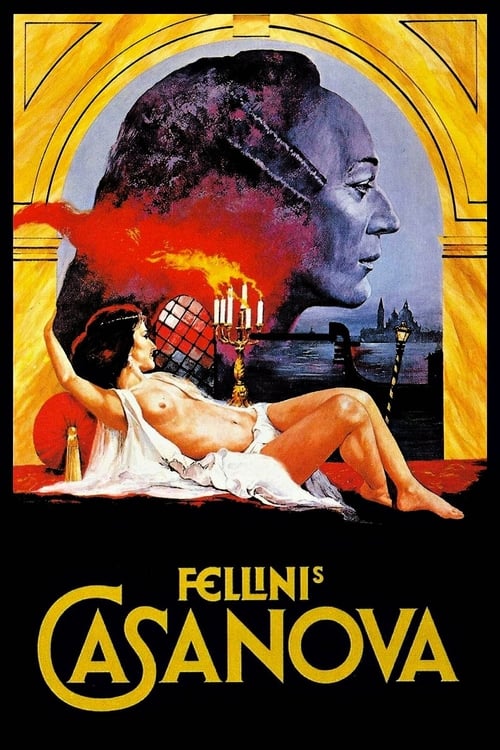
1976
RDirector
Federico Fellini
Runtime
148 minutes
Average Rating
No ratings yetNew Showbiz Analysis
Fellini's Casanova is a postmodern critique of Western decadence that prioritizes surrealism over demographic representation. It succeeds in dismantling systemic hierarchies, particularly religious and aristocratic authority, by framing morality as subjective and sensory. However, the film struggles with explicit representation. It remains centered on a Eurocentric, 18th-century aesthetic and lacks meaningful inclusion of non-Anglo-Saxon identities or explicit LGBTQ+ narratives. While it challenges traditional gender roles through chaos, it often relies on archetypes. Ultimately, the film's progressive value lies in its systemic deconstruction of social norms. It trades traditional realism for a chaotic, subjective reality that challenges the stability of the ordered Western world.
Category Breakdown
The film focuses on the protagonist's pursuit of heterosexual pleasure. While it explores fluid sexuality, it lacks explicit depictions of non-traditional gender identities or same-sex intimacy as central plot drivers.
Women appear as archetypal or fantastical entities rather than domestic figures. The film challenges traditional masculinity by presenting a world of unstable power dynamics and decadence.
Set in 18th-century Europe, the film centers on a European baroque aesthetic. It lacks intentional race-bending or the inclusion of non-Anglo-Saxon identities to challenge the historical status quo.
The narrative excels at deconstructing Western institutions like religious authority and aristocracy. It portrays these traditional structures as hollow, corrupt, and decaying through a lens of the grotesque.
Physical deformity and grotesque character design serve as central aesthetic components. These characters often function as visual metaphors for decay rather than possessing individual control over their circumstances.
Present on Screen
Limited or Absent
Official Synopsis
Imprisoned for practicing black magic, writer and adventurer Giacomo Casanova escapes and wanders Europe, using his fluid sexuality to find his place in life amid a variety of eccentric and strange characters.
2009
1976

2020
1986

1991
1973
1969
2000
No reviews yet. Be the first to share your thoughts on this movie!
Use the rating form above to leave a star rating and optional review.