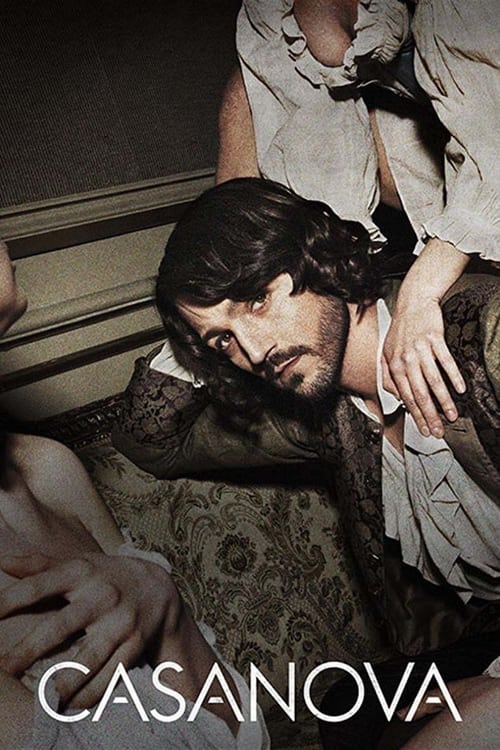
Casanova
2015
No user ratings available yet
Representation score: 1.4 out of 10
Representation Score
Limited
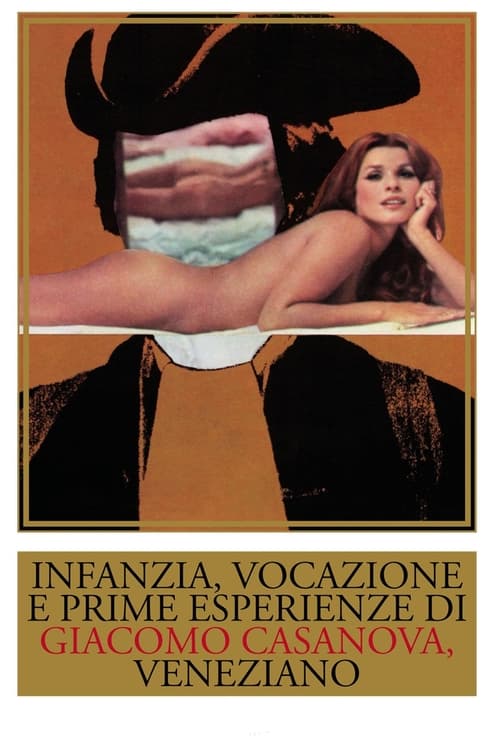
1969
Director
Luigi Comencini
Runtime
117 minutes
Average Rating
No ratings yetNew Showbiz Analysis
Luigi Comencini’s period piece provides a nuanced exploration of 18th-century Venetian hypocrisy, using moral relativism to examine the protagonist's social maneuvering. The film effectively critiques the rigid social and religious institutions of the time through a lens of situational ethics. However, the film remains rooted in the traditional hierarchies of its time, lacking diversity in terms of sexual orientation, race, and gender. It reflects the demographic constraints of the historical setting and the era of filmmaking.
Category Breakdown
The film focuses on traditional romantic relationships and does not include any representation of LGBTQ+ identities or same-sex narratives.
The film reinforces traditional gender roles where women have limited influence compared to the male protagonist, who holds significant social power.
The cast is primarily white and European, reflecting the historical context of 18th-century Venice without introducing diverse racial perspectives.
The film highlights the hypocrisy within Venetian social institutions and embraces moral relativism, avoiding a singular religious or moral viewpoint.
The film does not feature any prominent depictions of physical or neurodivergent disabilities.
Present on Screen
Limited or Absent
Official Synopsis
Through the childhood and adolescence of Signor Giacomo Casanova (from his memoirs), this is a description of how people lived in 18th-century Venice: their customs, habits, medicine, religion, and--most of all--the omnipresence of hypocrisy.
2015
1986
2019
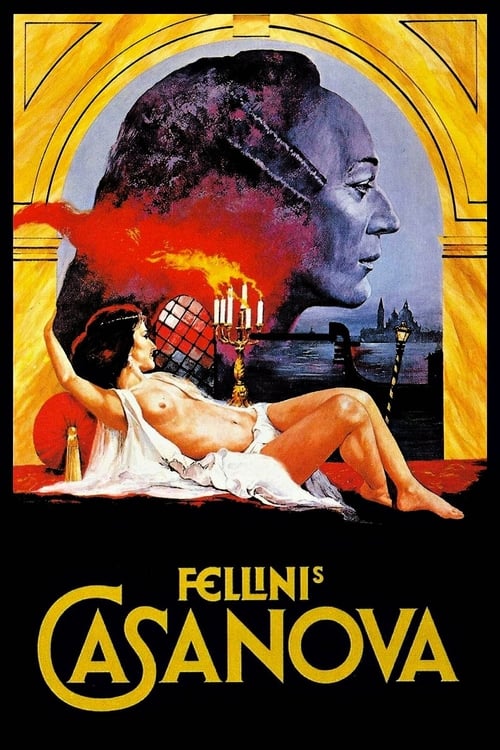
1976

2022
1971

1964
1993
No reviews yet. Be the first to share your thoughts on this movie!
Use the rating form above to leave a star rating and optional review.