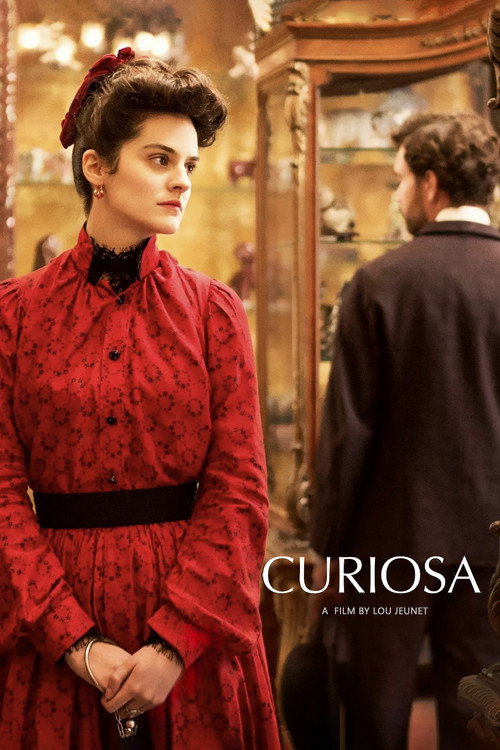
Curiosa
2019
No user ratings available yet
Representation score: 5.2 out of 10

Representation Score
Fair
1991
RDirector
Danny Huston
Runtime
97 minutes
Average Rating
No ratings yetNew Showbiz Analysis
Becoming Colette is a historical critique of intellectual property and gendered ownership. It focuses on the erasure of the female voice within a patriarchal framework, using the setting of Paris to illustrate systemic constraints. The film excels in its portrayal of women's ability to drive the story. By centering a woman fighting to reclaim her creative output from a dominant male figure, it provides a sharp deconstruction of traditional power dynamics. However, the film's impact is limited by its likely lack of racial diversity. The focus on the French literary canon suggests a narrow, homogeneous cast that lacks multi-ethnic representation.
Category Breakdown
The film explores the subversion of traditional marriage and identity reclamation. However, there is no explicit evidence of queer characters or non-straight relationships.
The narrative centers on a woman's struggle against a husband who steals her intellectual labor. This disrupts traditional hierarchies by critiquing masculine authority as a mechanism of theft.
Set within the French literary canon of Paris, the film appears to feature a homogeneous European cast. There is no indication of a multi-ethnic ensemble.
The story critiques Western institutions, specifically the patriarchal publishing industry and the sanctity of marriage. It frames the traditional family unit as a site of exploitation.
The film provides no evidence regarding the portrayal of physical or neurodivergent disabilities.
Present on Screen
Limited or Absent
Official Synopsis
French writer recalls her start as the country wife of a Paris publisher who called her erotic work his own.
2019
1988

1973
2009
2024

1996
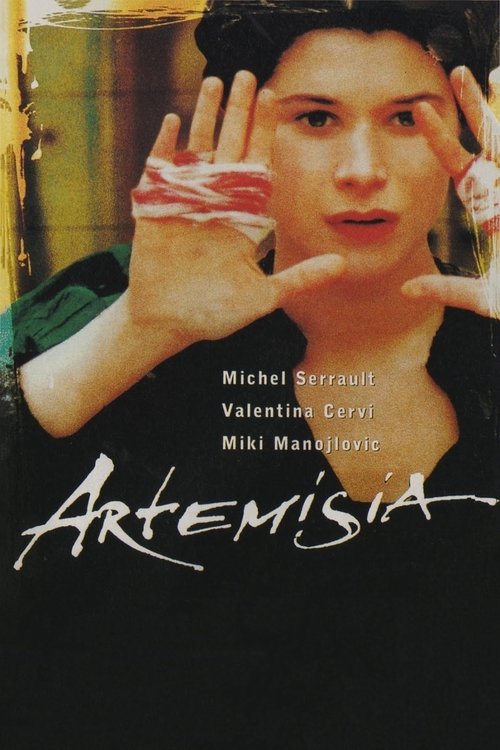
1997
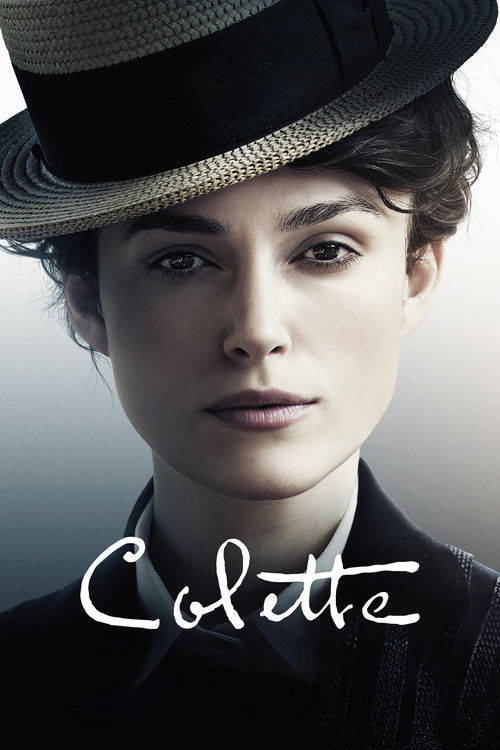
2018
No reviews yet. Be the first to share your thoughts on this movie!
Use the rating form above to leave a star rating and optional review.