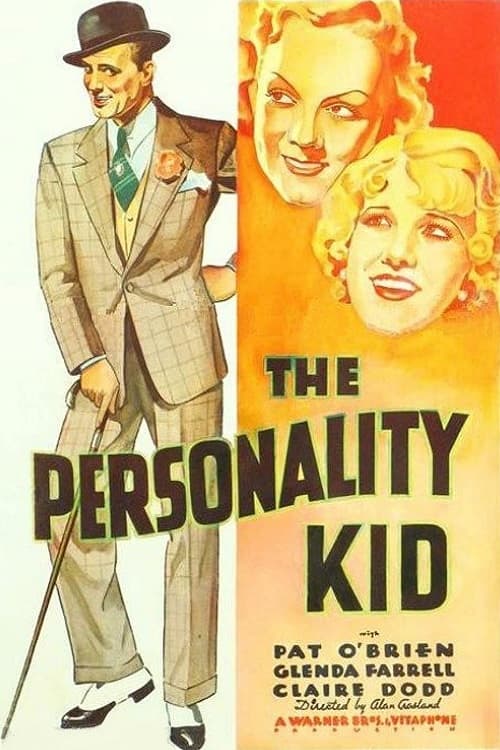
The Personality Kid
1934
No user ratings available yet
Representation score: 1.6 out of 10
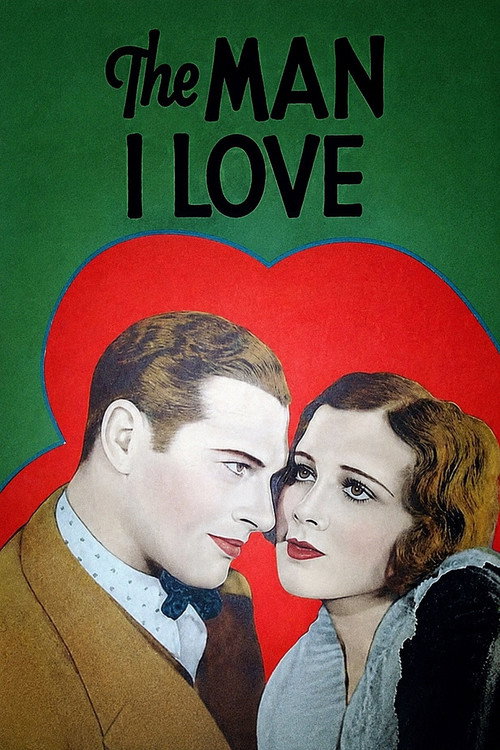
Representation Score
Minimal
1929
PassedDirector
William A. Wellman
Runtime
74 minutes
Average Rating
No ratings yetNew Showbiz Analysis
William A. Wellman’s first all-talkie film is a classic example of 1929 cinema, using traditional dramatic structures that support the social norms of the time. While it marks a significant technical achievement, the film relies on well-established character types to propel its romantic drama. The story is built around traditional gender and racial roles, offering no challenge to the status quo. Instead, it focuses on individual character flaws and romantic tensions within a homogenous cast. Overall, the film serves as a conventional piece of its era, emphasizing the moral norms of the period rather than progressive or storytelling that reflects multiple aspects of identity.
Category Breakdown
The film doesn't include any non-binary or LGBTQ+ identities. It focuses on traditional heterosexual relationships typical of the late 1920s.
Women in the film are portrayed primarily as emotional beings who influence the plot through their relationships with men. Men are shown as having more control over the direction of the story.
The cast is mostly made up of white actors, reflecting the exclusion of non-white performers during that time. The film's New York City nightclub scene doesn't showcase a diverse range of cultures.
The story centers on personal romantic conflicts rather than broader social critiques. It follows the moral norms of the period without questioning them.
The film does not depict or mention any physical, sensory, or neurodivergent disabilities.
Present on Screen
Limited or Absent
Official Synopsis
Wellman’s first all-talkie, scripted by Herman Mankiewicz, with arrogant boxer Richard Arlen romancing Mary Brian, then falling for temptress Olga Baclanova (Freaks) on the eve of the big fight.
1934
1926

1928

1928

1933
1928
1936
1939
No reviews yet. Be the first to share your thoughts on this movie!
Use the rating form above to leave a star rating and optional review.