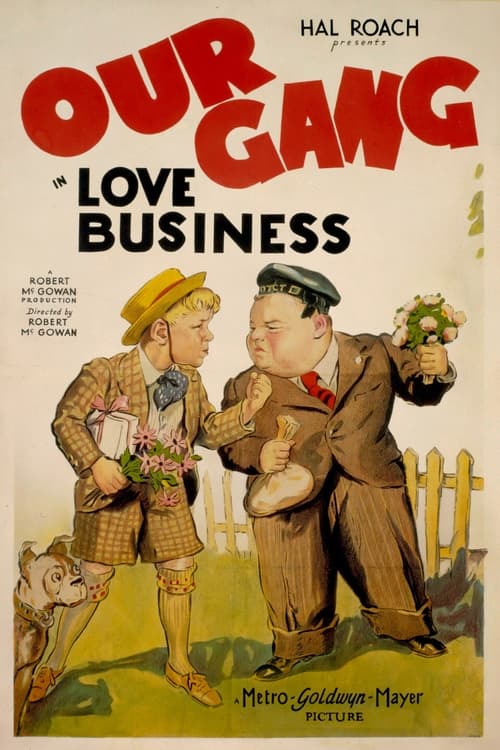
Love Business
1931
No user ratings available yet
Diversity score: 3.2 out of 10

1930
Director
Robert F. McGowan
Runtime
20 minutes
Average Rating
No ratings yetSynopsis
Jackie gets in a duel over the affections of Mary Ann.
Overall Score
Minimal
Category Breakdown
LGBTQ+ Representation
The film lacks any evidence of non-cisnormative identities. The central plot revolves around a romantic duel that adheres to traditional heteronormative tropes.
Gender Representation
Gender roles follow standard 1930s comedic structures. The conflict is driven by a male protagonist competing for a female counterpart without subverting traditional hierarchies.
Racial & Ethnic Diversity
The production reflects the homogeneous casting standards typical of early Hollywood. There is no indication of a diverse or non-white majority cast.
Religious & Cultural Diversity
The narrative focuses on standard social interactions and childhood antics. It lacks any significant secular, anti-institutional, or diverse cultural themes.
Disability Representation
There is no evidence of characters with visible or invisible disabilities. No such identities are utilized as narrative devices within the film.
Strengths
Areas for Improvement
AI Analysis
The film is a product of its era, functioning as a standard comedic diversion typical of 1930s mainstream output. It relies on established tropes of romantic rivalry and childhood situational humor rather than social critique. Representation is largely absent or follows conventional demographic norms. The narrative architecture centers on a male-female romantic competition, reinforcing traditional gender dynamics of the period. Ultimately, the work lacks intentional diversity or the subversion of social hierarchies, reflecting the homogeneous casting and storytelling standards of early Hollywood studio productions.
1931

1937

1934
1939
1916

1929
1932
1935

1919

1937
1933
1915
No reviews yet. Be the first to share your thoughts on this movie!
Use the rating form above to leave a star rating and optional review.