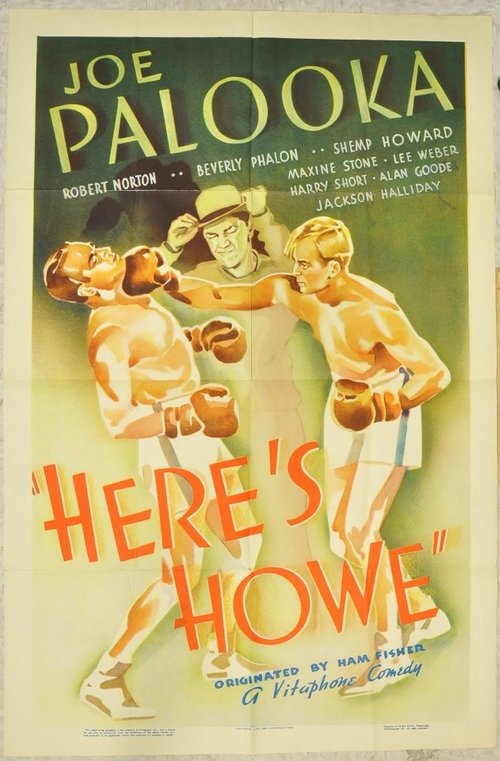
Here's Howe
1936
No user ratings available yet
Representation score: 1.7 out of 10
Representation Score
Minimal
1936
ApprovedDirector
Lloyd French
Runtime
22 minutes
Average Rating
No ratings yetNew Showbiz Analysis
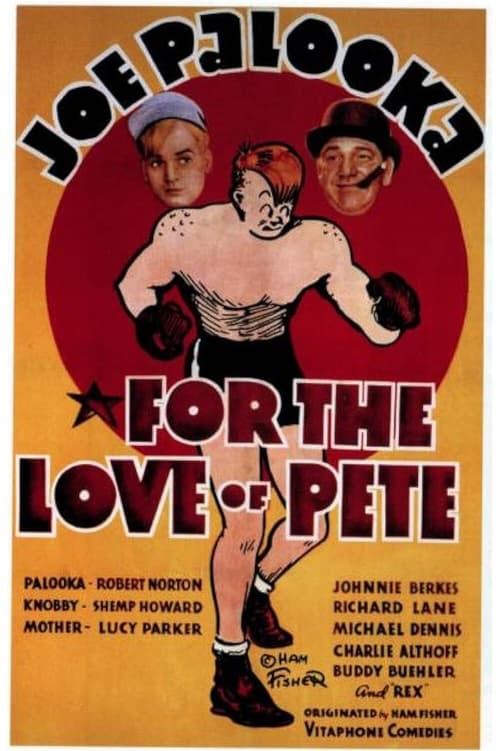
For the Love of Pete is a typical 1930s genre comedy that adheres to the social hierarchies of its time. The narrative is built around the character of Joe Palooka, using a traditional hero archetype to drive a plot rooted in individual morality. The film lacks complexity in representing multiple aspects of identity, instead focusing on established formulas of heroism. It reflects the standardized cultural norms and conventional morality prevalent in pre-war cinema. Because the story centers on masculine-coded conflicts like boxing, it reinforces traditional gender roles and lacks diverse perspectives or disruptions of social hierarchies.
Category Breakdown
The film does not include any characters with non-straight identities. In the 1930s, such themes were not part of mainstream comedy.
The story revolves around a male protagonist and conflicts centered on masculinity. The male lead plays a significant role in driving the plot, reinforcing traditional gender hierarchies.
The premise does not indicate an intention to disrupt Anglo-Saxon casting norms. The film likely follows the era's tendency towards homogeneous casting.
The plot follows a traditional moral framework centered on individual chivalry. It emphasizes stable, conventional notions of right and wrong.
There is no evidence of characters with visible or invisible disabilities in the narrative.
Present on Screen
Limited or Absent
Official Synopsis
Boxer Joe Palooka steps into the ring after a friend's dog gets kicked.
1936
1926
1939
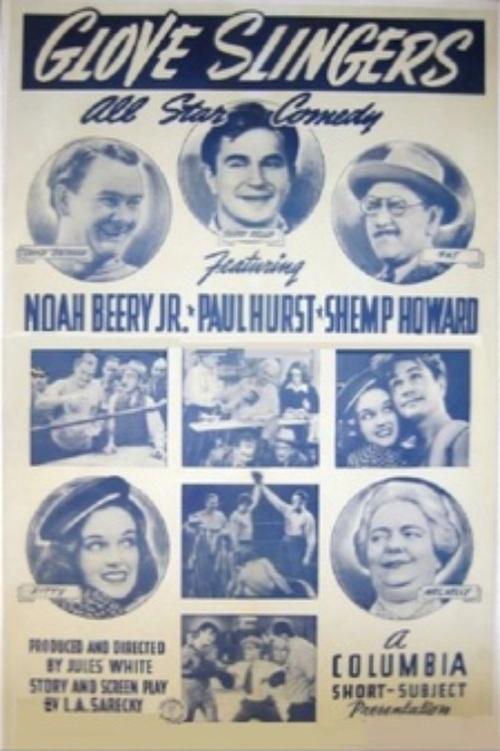
1939
1929

1936
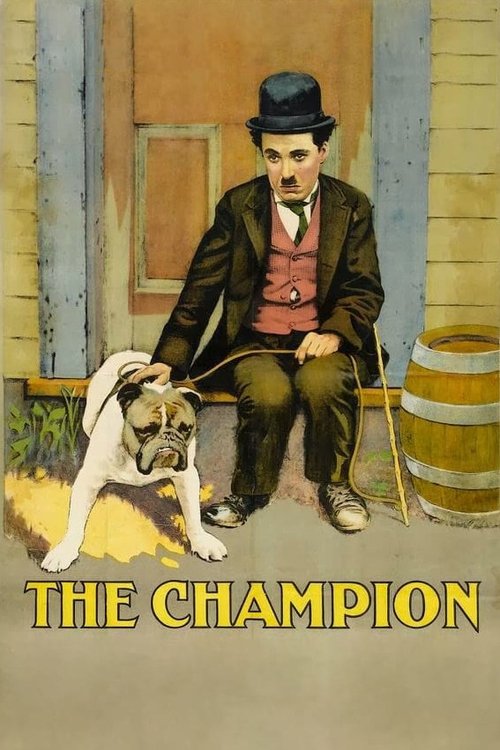
1915
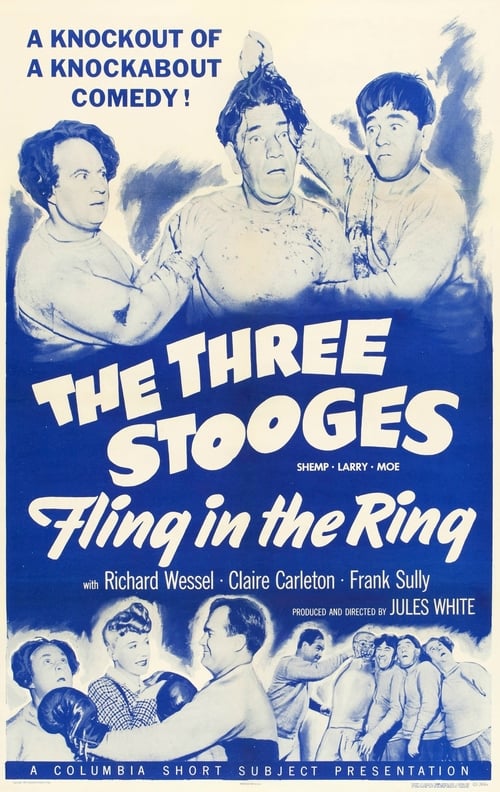
1955
No reviews yet. Be the first to share your thoughts on this movie!
Use the rating form above to leave a star rating and optional review.