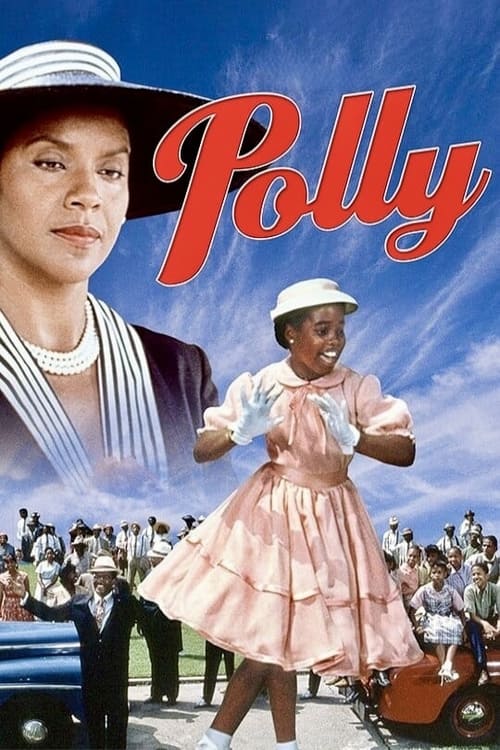
Polly
1989
No user ratings available yet
Representation score: 7.5 out of 10

Representation Score
Good
1990
Director
Debbie Allen
Runtime
100 minutes
Average Rating
No ratings yetNew Showbiz Analysis
Polly: Comin' Home! stands out for its intentional approach to historical storytelling. By centering a young female protagonist in the Jim Crow-era South, the film disrupts traditional period drama hierarchies and uses her actions to bridge racial divides. The production leverages musicality to drive a narrative of social upheaval. While it lacks explicit LGBTQ+ representation, its commitment to interracial understanding provides a necessary critique of 1950s social structures. Overall, the film moves beyond simple inclusion, using its lead character as a central agent of systemic change within a challenging historical framework.
Category Breakdown
The film focuses on racial dynamics and matchmaking rather than sexual orientation. It does not center LGBTQ+ identities or use derogatory stereotypes.
The film centers on an intelligent female orphan who uses her intelligence to navigate social structures. She drives the story's complex matchmaking.
Set in 1956 Alabama, the story challenges racial homogeneity. It focuses on interracial understanding and deconstructs the era's systemic segregation through the protagonist's actions.
The film critiques traditional Southern social structures and systemic barriers. It uses Broadway-style musicality to prioritize social progress over conservative period realism.
There is no documented evidence regarding the portrayal of physical or neurodivergent disabilities.
Present on Screen
Limited or Absent
Official Synopsis
Broadway style songs are used to tell this interesting story of an ingenious orphan who gets involved in matchmaking and striving for inter-racial understanding in 1956 Alabama.
1989
1999
1991
1981

1978
2001

2018
1992
No reviews yet. Be the first to share your thoughts on this movie!
Use the rating form above to leave a star rating and optional review.