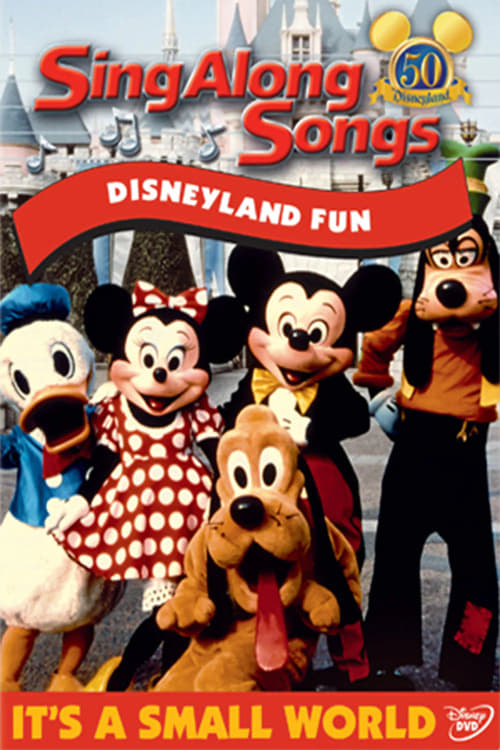
Disney's Sing-Along Songs: Disneyland Fun
1990
No user ratings available yet
Representation score: 1.0 out of 10
Representation Score
Minimal
1996
GDirector
Michael Dimich
Runtime
30 minutes
Average Rating
No ratings yetNew Showbiz Analysis
This musical compilation serves primarily as an educational tool for young audiences, focusing on musical engagement rather than social commentary. It relies on traditional family stability clichés and clear moral distinctions between heroes and villains. The production emphasizes brand recognition and musical literacy for children. By focusing on these goals, it avoids addressing multi-layered identities or systemic issues. Overall, the production reinforces conventional social and domestic norms through its use of traditional archetypes and a homogeneous setting.
Category Breakdown
The production does not depict any LGBTQ+ identities or same-sex relationships. The story centers around the heterosexual relationship between Pongo and Perdita.
Gender roles are traditional, with Perdita taking a strong maternal role while adhering to conventional family structures. However, the narrative does not challenge these roles significantly.
The animal characters prevent human racial or ethnic representation. The setting is a culturally uniform English countryside and urban environment.
The work upholds traditional Western family values and social structures. Themes focus on family unity and middle-class life without challenging cultural norms.
No visible or invisible disabilities are shown. Characters are depicted as fully able-bodied without addressing neurodivergence or chronic illnesses.
Present on Screen
Limited or Absent
Official Synopsis
It's the day of the annual Bow-Wow Ball at the Dalmatian Plantation! Pongo, Perdita, and Nanny do their best to keep your favorite puppies from Disney's live-action hit, 101 Dalmatians, out of trouble before their friends arrive for the big party. Features a song from Disney's animated classic 101 Dalmatians.
1990
1940
1994

1977
1999

1993
1993
1997
No reviews yet. Be the first to share your thoughts on this movie!
Use the rating form above to leave a star rating and optional review.