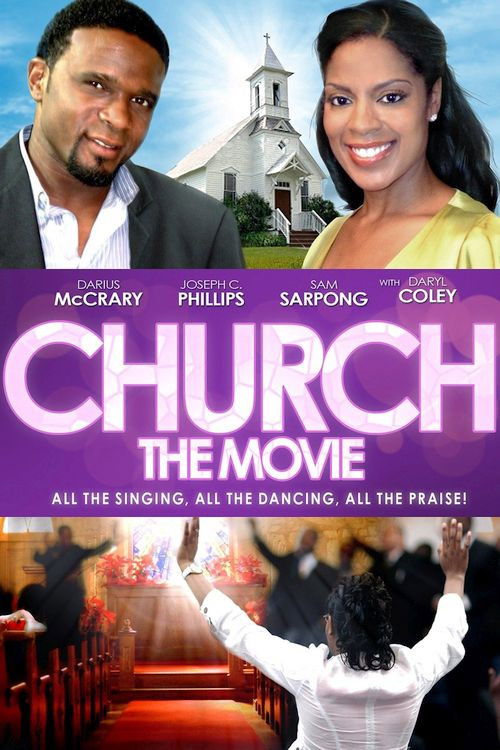
Church: The Movie
2010
No user ratings available yet
Diversity score: 2.0 out of 10
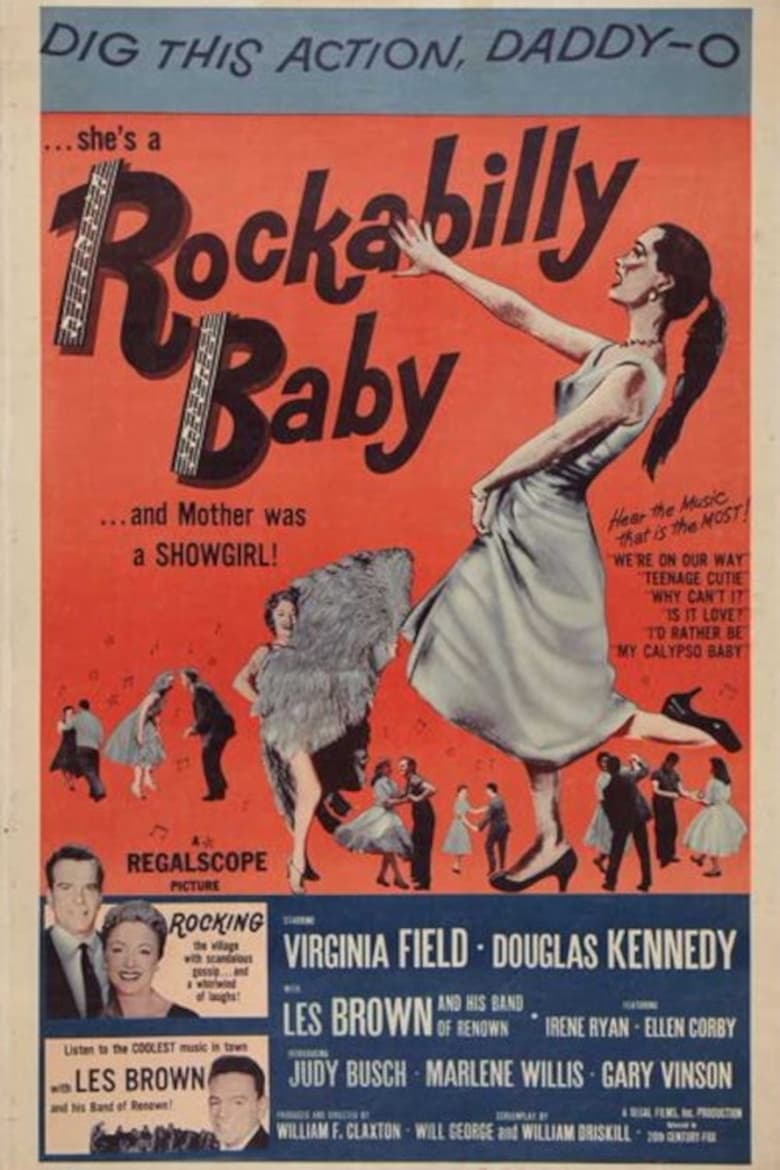
1957
ApprovedDirector
William F. Claxton
Runtime
81 minutes
Average Rating
No ratings yetSynopsis
The mysterious Mrs. Eleanor Carter moves to Springville with her two teenage children Jimmy and Cathy. Eleanor makes friends with the town's social leader Mrs. Wellington, who supports her idea for a town youth center, and she is aided by Tom Griffith, the high school principal. At the town's annual picnic, to which Eleanor has bought a band, the town busy-body Eunice reveals what she had learned from Eleanor's past.
Overall Score
Minimal
Category Breakdown
LGBTQ+ Representation
The film contains no LGBTQ+ characters or non-heteronormative dynamics. It adheres strictly to the heteronormative social standards of the 1950s.
Gender Representation
Female characters like Eleanor Carter hold social influence, yet they operate within established domestic frameworks. The film reflects standard mid-century gender hierarchies without subverting traditional roles.
Racial & Ethnic Diversity
The narrative depicts a homogeneous social environment typical of mid-century small towns. There is no evidence of racial blending or non-white majority casting.
Religious & Cultural Diversity
The plot reinforces traditional Western social institutions and community cohesion. It focuses on upholding the existing social order rather than critiquing it.
Disability Representation
No visible or invisible disabilities are portrayed. Characters are presented through a standard lens of able-bodiedness without disability serving as a central theme.
Strengths
Areas for Improvement
AI Analysis
Rockabilly Baby functions as a genre showcase that prioritizes social stability over character complexity. It reflects the mid-century American values of its era, focusing on community integration and the introduction of rockabilly music into a stable environment. The film lacks intersectional depth, offering a homogeneous depiction of society. It reinforces established hierarchies regarding race, gender, and social structure rather than challenging them. Ultimately, the work serves as a period-accurate reflection of 1950s traditionalism, providing little representation outside of conventional, Anglo-centric social norms.
2010
1970
1935

1964
1968
1990
1962
1973
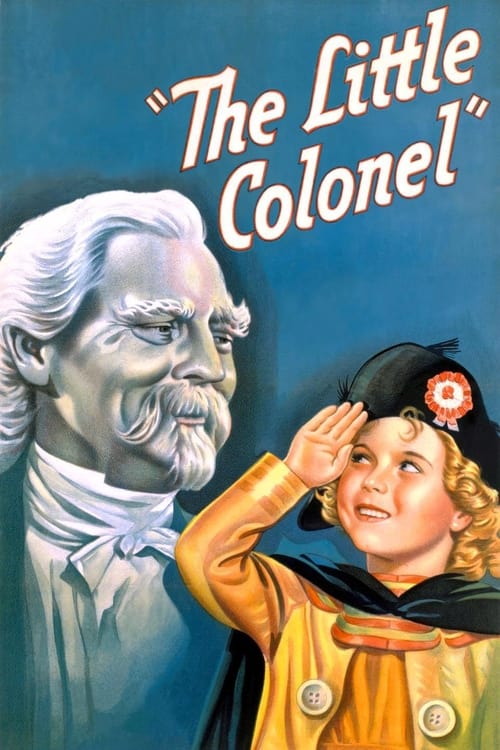
1935

1935
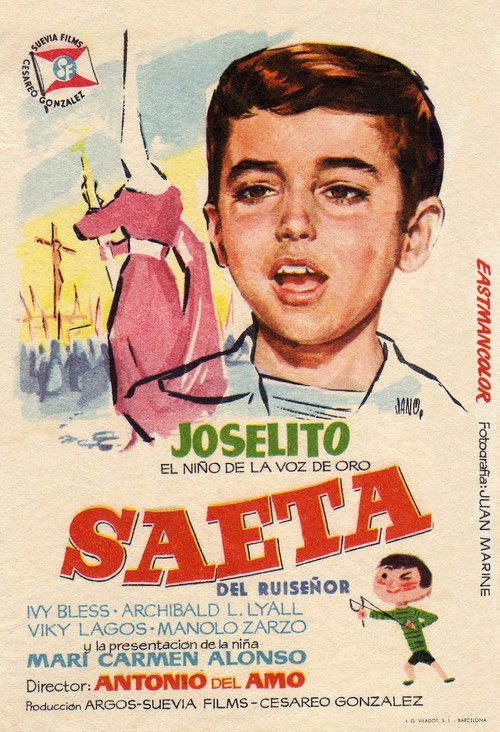
1957
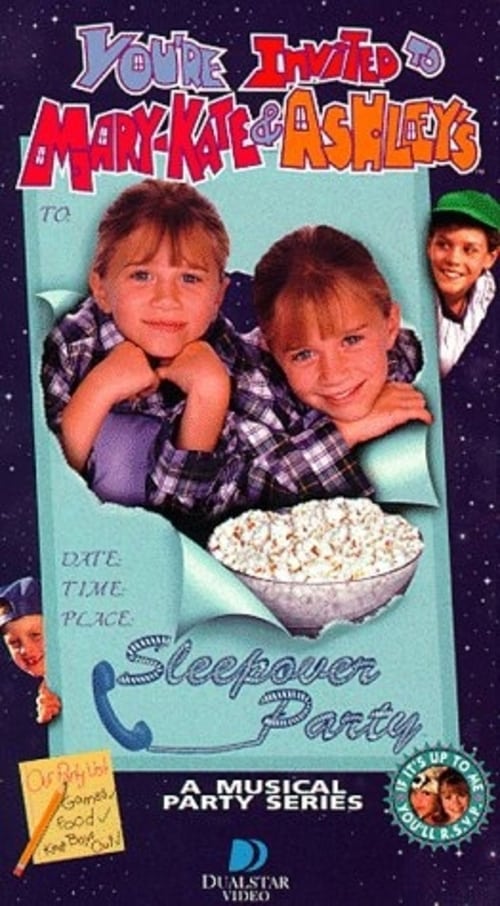
1995
No reviews yet. Be the first to share your thoughts on this movie!
Use the rating form above to leave a star rating and optional review.