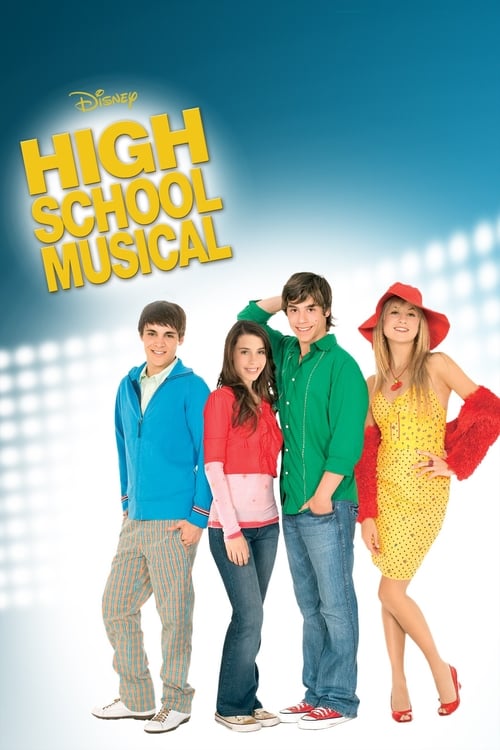
Viva High School Musical: Argentina
2008
No user ratings available yet
Representation score: 3.7 out of 10
Representation Score
Fair
2008
Director
Eduardo Ripari
Runtime
100 minutes
Average Rating
No ratings yetNew Showbiz Analysis
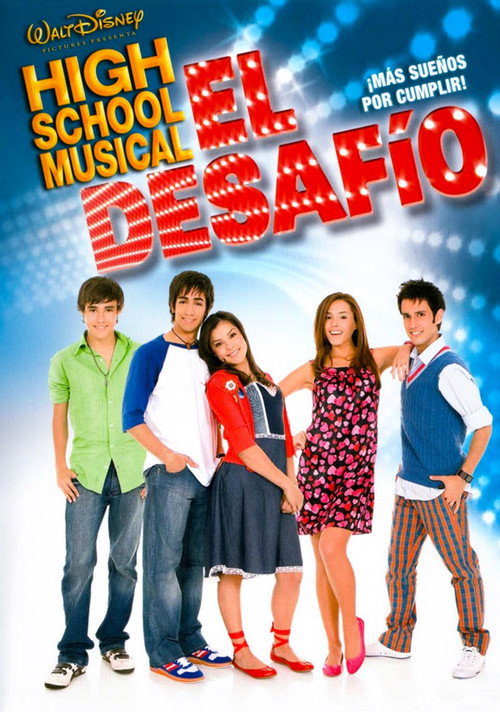
High School Musical: El Desafío succeeds as a localized adaptation that provides cultural specificity. By shifting the franchise’s framework to a Mexican context, it moves away from a homogeneous Western standard and prioritizes a non-white majority. However, the film adheres to conventional genre clichés. The narrative structure relies on traditional social hierarchies and moralistic conclusions about character development. It prioritizes standard developmental values over exploring diverse identities or challenging systemic power dynamics.
Category Breakdown
The story focuses on traditional romantic relationships between Cristóbal and Mariana. There is no indication of non-straight or non-cisgender identities, nor does it challenge the idea that everyone is straight or cisgender.
Gender roles follow typical structures, with characters like Luli embodying common stereotypes of vanity and social manipulation. The film does not challenge traditional ideas of masculine leadership.
The film offers meaningful representation by centering a Mexican adolescent experience. This localized setting breaks away from the typical Anglo-centric perspective usually found in the franchise.
The narrative emphasizes traditional values such as hard work and teamwork. It promotes social cohesion and meritocracy without questioning the social institutions behind these values.
There are no visible or invisible disabilities shown as central to the character arcs or plot progression.
Present on Screen
Limited or Absent
Official Synopsis
Football captain Cristóbal discovers that his neighbor and classmate, Mariana, has changed a lot over the summer. Meanwhile, Luli is still as vain as ever and overshadows her poor brother, Fernando. As a new year begins at High School Mexico (HSM, initially interpreted), the school has announced a "Battle of the Bands" contest hosted by Jesse & Joy. Working against the clock and with limited resources, Cristobal, Mariana, and a few of their peers unite as a band. In a desperate effort, Luli dares the impossible task of separating Cristobal from his friends. But only one band will be the winner; the one who understands that teamwork, personal development, and hard work will not only make them better artists but also better people.
2008

2009
2010
2007
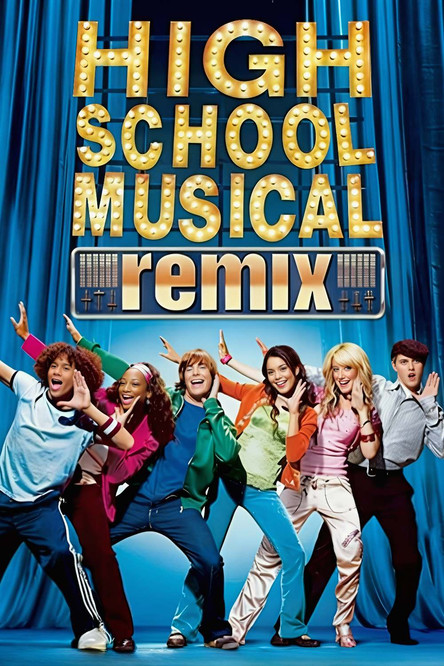
2006
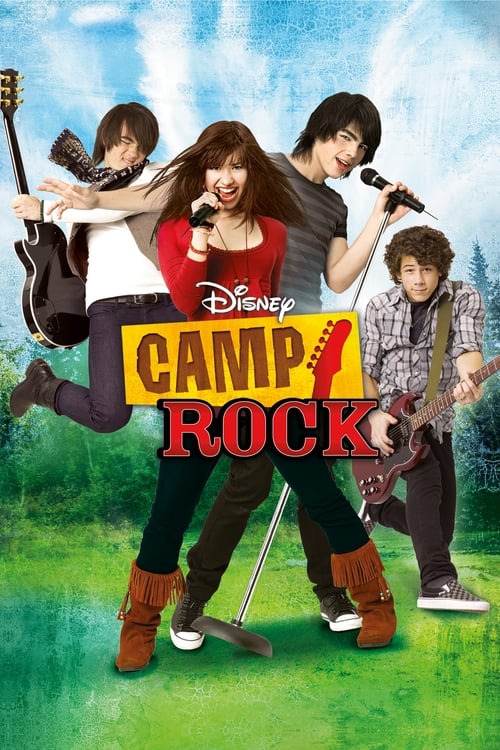
2008

2019
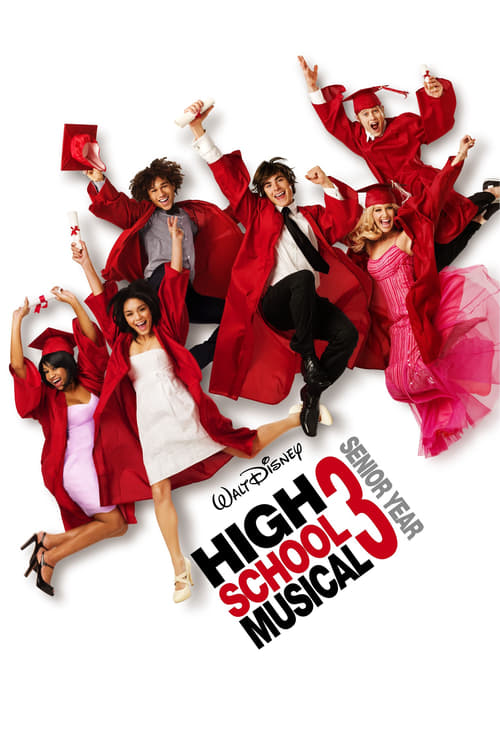
2008
No reviews yet. Be the first to share your thoughts on this movie!
Use the rating form above to leave a star rating and optional review.