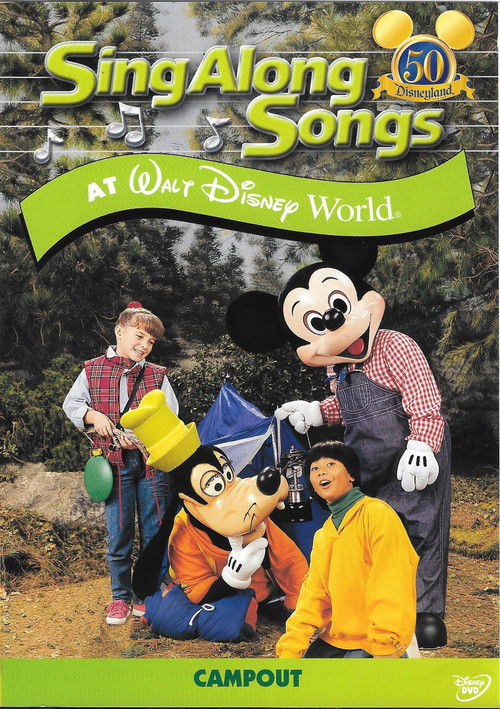
Sing-Along Songs: Campout at Walt Disney World
1994
No user ratings available yet
Representation score: 3.2 out of 10
Representation Score
Limited
1993
TV-YDirector
Claudia Sloan
Runtime
58 minutes
Average Rating
No ratings yetNew Showbiz Analysis
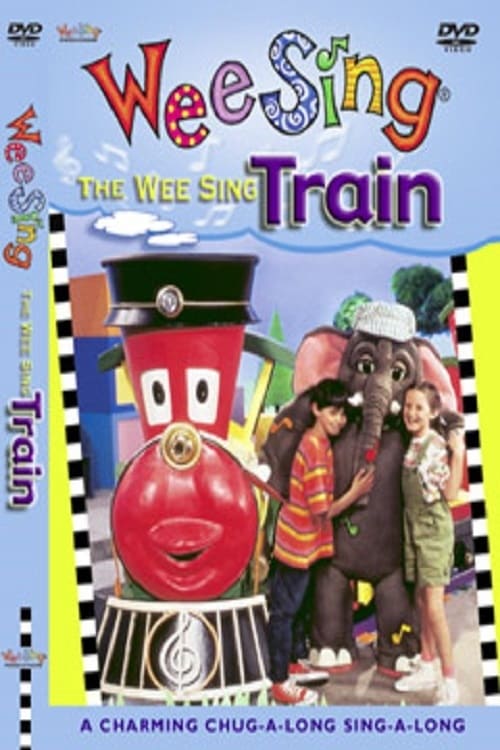
The Wee Sing Train is a quintessential example of early 1990s pedagogical children's media. It prioritizes prosocial behavior, imaginative play, and communal harmony over complex identity narratives or social subversion. The film operates within a safe, conventional framework designed for a TV-Y audience. Its storytelling relies on standardized moral lessons, such as thinking before acting, which reinforces traditional social conformity. Ultimately, the production reflects the mainstream media landscape of its era. It avoids identity politics and social critique, focusing instead on whimsical, musical entertainment for young children.
Category Breakdown
The film does not include any LGBTQ+ characters or non-cisgender identities. It follows traditional, straight-centered standards typical of early 1990s children's programming.
The ensemble features children like Casey and Carter along with various anthropomorphic characters. While roles like musical cowboys and dancing paper dolls suggest playful archetypes, there is no significant challenge to gender hierarchies.
The setting has a whimsical, Western-adjacent aesthetic. There is no indication of a diverse or non-Anglo-Saxon majority cast within the fantastical landscape.
The narrative emphasizes traditional Western values of childhood innocence and moral instruction. It promotes communal cooperation and individual responsibility without challenging institutional norms.
There is no mention of characters with visible or invisible disabilities. The available information provides no basis for assessing representation in this category.
Present on Screen
Limited or Absent
Official Synopsis
All aboard for fun and adventure! Children everywhere will clap, move, and sing along to the exhilarating song and dance numbers of The Wee Sing Train. Imagine playing with a toy train and suddenly becoming a passenger---this could only happen with a spark of Wee Sing magic! Casey and Carter have finally finished creating their make-believe land when, magically, they’re in it! Join them and Tusky, their curious toy elephant, as Chug-a-Long the Engine and Cubby the Caboose take them on a wonderful adventure complete with musical cowboys, dancing paper dolls, and a singing vegetable patch. Packed with 20 memorable songs, colorful characters, and a special lesson about thinking before you act, The Wee Sing Train is a charming way to put kids on the right track.
1994
2002
1990

1977
1999
1985
2000
1996
No reviews yet. Be the first to share your thoughts on this movie!
Use the rating form above to leave a star rating and optional review.