
Fine Toys – Made in USA
1969
No user ratings available yet
Representation score: 5.4 out of 10
Representation Score
Limited
1964
6Director
Helmut Herbst
Runtime
6 minutes
Average Rating
No ratings yetNew Showbiz Analysis
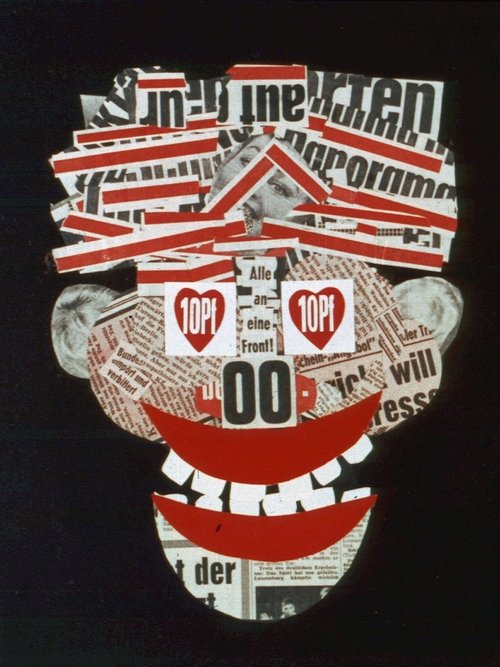
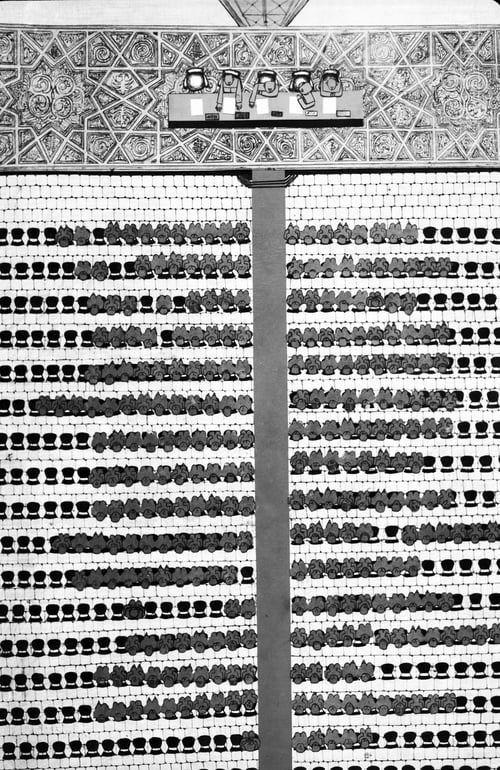
Schwarz-Weiß-Rot is a satirical animation that prioritizes socio-political critique over demographic representation. It uses allegorical 'string toys' to trace the evolution of German power from the Kaiser to the Führer and finally to media conglomerates. The film's strength lies in its cultural analysis of systemic authority and the manipulation of the masses. However, this focus on historical and political transitions results in a lack of multi-layered diversity. Because the characters are non-human metaphors, the film avoids traditional discussions of gender, race, and orientation.
Category Breakdown
The film focuses on political allegories involving string toys representing societal masses. There are no LGBTQ+ characters or narratives addressing non-straight relationships.
Characters are depicted as stylized, non-human entities used to illustrate systemic shifts. Traditional gender roles are not highlighted, and the film does not reinforce or subvert gender hierarchies with these metaphorical figures.
The narrative is rooted in a specific German historical context. It depicts a homogeneous society without using diverse ethnic representation or multi-layered casting.
The film offers a sophisticated critique of Western institutions and the cyclical nature of authority. It uses satire to challenge nationalistic symbols and media influence.
There is no evidence regarding the portrayal of physical or neurodivergent disabilities in this work.
Present on Screen
Limited or Absent
Official Synopsis
The film makes fun of the superficial changes in power in their birthplaces. Herbst's painting depicts a society of excited string toys who first march to the strains of the Kaiser's anthem, whose black, white and red flag dominates the swastika, before being incorporated into the colors of a conglomerate of right-wing newspapers. Black, white, red. Three times, the Germans march organized in columns and ranks: under the colors of the Kaiser, the Führer and Axel Springer.
1969

1954
1964
1941
1943
1942
2000
1963
No reviews yet. Be the first to share your thoughts on this movie!
Use the rating form above to leave a star rating and optional review.