Automania 2000
1964
No user ratings available yet
Representation score: 2.8 out of 10
Representation Score
Limited
1967
Director
Les Drew, Kaj Pindal
Runtime
10 minutes
Average Rating
No ratings yetNew Showbiz Analysis
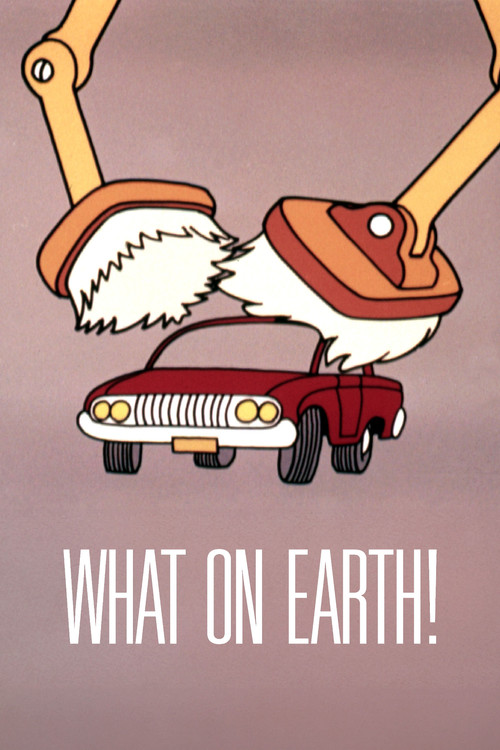
What on Earth! is a systemic satire that prioritizes social commentary over character-driven identity. Its strength lies in its ability to deconstruct Western cultural norms and the perceived superiority of human ability to act through a unique, cosmic perspective. However, the film lacks meaningful representation of diverse identities. By focusing on the relationship between humans and automobiles, it flattens individual identities, resulting in low scores for gender, race, and LGBTQ+ representation. Ultimately, the work functions as a critique of modern industrial progress rather than a study of human diversity, making it culturally provocative but demographically thin.
Category Breakdown
The film focuses on the satirical relationship between humans and machines, with no evidence of LGBTQ+ characters or narratives addressing non-cisgender identities.
The narrative prioritizes human-machine dynamics over interpersonal roles. While gender hierarchies are bypassed by the satire, there is no specific evidence of female empowerment or subverted masculinity.
Martian observers provide an outsider lens to critique Earth. The satirical framework tends to flatten human identity, which may inadvertently minimize specific ethnic or racial representation.
The film excels by disrupting Western societal norms. It uses a postmodern lens to critique industrial progress and the absurdity of modern social organization through Martian observers.
There is no evidence regarding the portrayal of physical or neurodivergent disabilities within this satirical framework.
Present on Screen
Limited or Absent
Official Synopsis
In this Academy Award–nominated animated satire, Martian observers analyze life on Earth and reach a startling conclusion: automobiles appear to be the planet’s dominant species, while humans function merely as their parasites. Directed by Les Drew and Kaj Pindal, the film humorously critiques modern society’s dependence on the car.
1964
1975
1956

1976

1968
2015
2009

1974
No reviews yet. Be the first to share your thoughts on this movie!
Use the rating form above to leave a star rating and optional review.