Mind the Steps!
1989
No user ratings available yet
Representation score: 4.0 out of 10
Representation Score
Good
1981
Director
Jiří Barta
Runtime
6 minutes
Average Rating
No ratings yetNew Showbiz Analysis
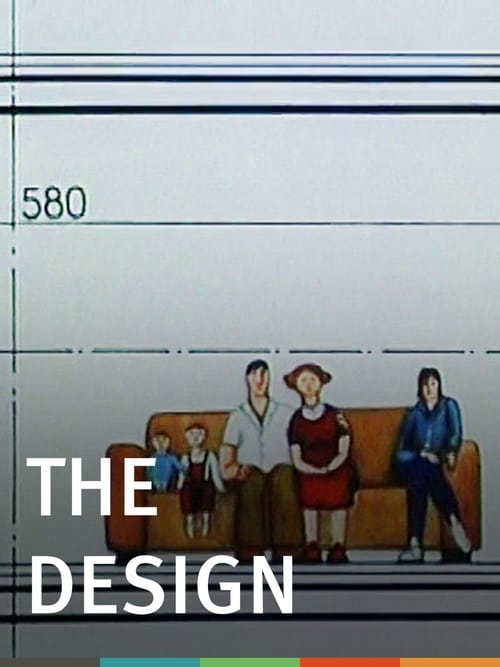
The Design is a masterwork of systemic critique that prioritizes political and architectural allegory over demographic representation. It uses a surrealist, paper cut-out aesthetic to examine how centralized authority imposes rigid frameworks on individual existence. While the film lacks explicit character studies regarding gender, race, or sexuality, it succeeds in its cultural commentary. It effectively deconstructs the concept of the home, framing it as an engineered construct designed to limit human influence. Ultimately, the film's value lies in its visual subversion of the standardized human experience, making it a profound study of power dynamics rather than a showcase for diverse identities.
Category Breakdown
The film focuses on structural impositions within uniform living spaces. While the allegorical paper cut-out style lacks explicit queer identity, the resistance to standardized specifications suggests a subtext of defying societal blueprints.
The narrative explores various social configurations like bachelor pads and artist studios. It deconstructs traditional domestic hierarchies by presenting the home as a restrained box dictated by an external designer.
Stylized, avant-garde animation and abstract paper figures mean traditional ethnic markers are absent. Identity is defined by social configuration rather than heritage, avoiding stereotypes but lacking diverse ethnic representation.
Barta excels in critiquing institutionalized power and communist housing. The film provides a sophisticated engagement with anti-authoritarianism by framing the state as an oppressive force seeking to homogenize experience.
Disability is not a central theme or utilized plot device. The narrative focus remains strictly on the socio-architectural relationship between the creator and the created.
Present on Screen
Limited or Absent
Official Synopsis
Animators and urban planners both create worlds, but Czech stop motion specialist Jiří Barta's ingenious paper cut-out short punctures the stifling architecture of communist housing. Skilled hands blueprint an apartment tower standardized specifications. Envelopes contain the elements of each home. Family dwellings, bachelor pads, scholarly studies and artist studios: different social configurations are permitted but restrained to the same uniform box. A dystopian revision of the REAR WINDOW scenario, THE DESIGN's darkly comic social critique still has teeth.
1989
1983
1985

1963
1969

1980
1967
1958
No reviews yet. Be the first to share your thoughts on this movie!
Use the rating form above to leave a star rating and optional review.