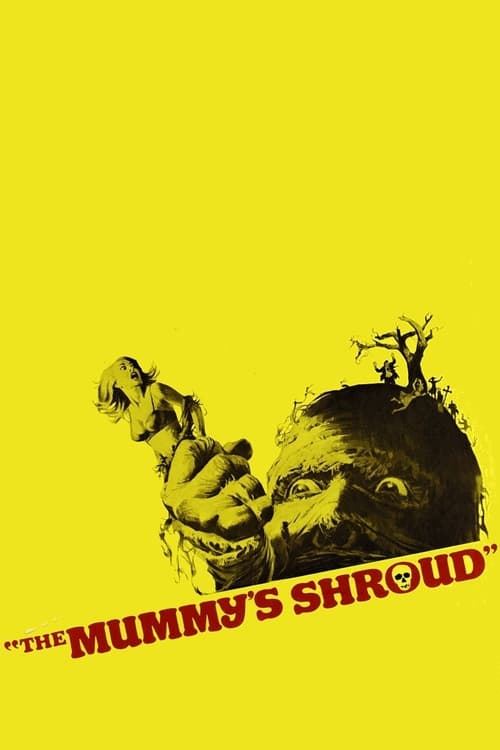
The Mummy's Shroud
1967
No user ratings available yet
Representation score: 1.8 out of 10
Representation Score
Minimal
1964
NRDirector
Michael Carreras
Runtime
80 minutes
Average Rating
No ratings yetNew Showbiz Analysis
The film is a product of its 1964 historical context, prioritizing Western perspectives and established genre clichés. It functions primarily as a supernatural horror piece rather than a tool for social critique. While the central female mummy disrupts traditional gender hierarchies, this is undermined by a lack of multi-layered depth. The narrative relies heavily on colonial-era storytelling frameworks. Ultimately, the film's diversity is limited by its adherence to mid-20th-century cinematic conventions and its focus on Western archaeological authority.
Category Breakdown
The film does not include any identifiable LGBTQ+ characters or non-cisgender identities. The interpersonal dynamics remain strictly within a traditional heterosexual framework.
The resurrected female mummy provides a rare subversion of power by taking a leading role. However, most supporting female characters remain secondary or reactive.
The story is driven by a predominantly white, Western expedition team. It uses an exoticist lens that reinforces a hierarchy between Western explorers and the Egyptian setting.
The plot explores the tension between modern science and ancient mysticism. It treats sacred sites through a horror lens rather than critiquing Western imperialism.
There are no depictions of visible or invisible disabilities. No neurodivergence or chronic illness is integrated into the character arcs.
Present on Screen
Limited or Absent
Official Synopsis
Those who have interfered with the Tomb of Ra-Antef are in terrible danger. Against expert advice, American showman and financial backer of the expedition, Alexander King, plans a world tour exhibiting this magnificent discovery from the ancient world but on the opening night the sarcophagus is void of its contents. The mummy has escaped to fulfill the dreadful prophesy and exact a violent and bloody revenge on all those who defiled his final resting place.
1967
1964
1971
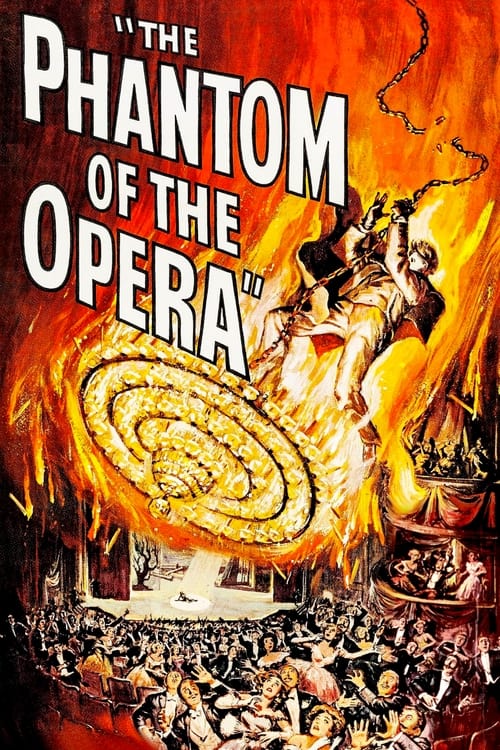
1962
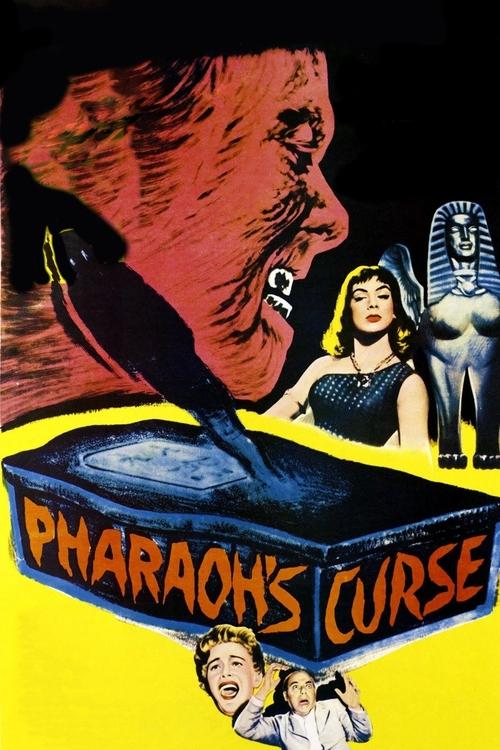
1957
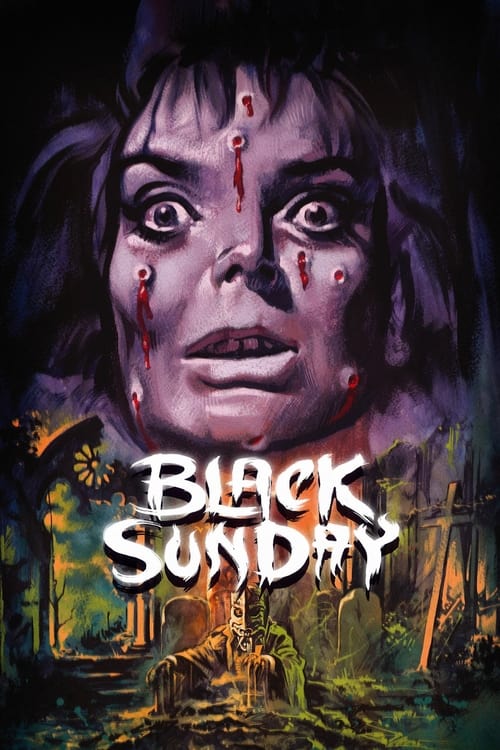
1960
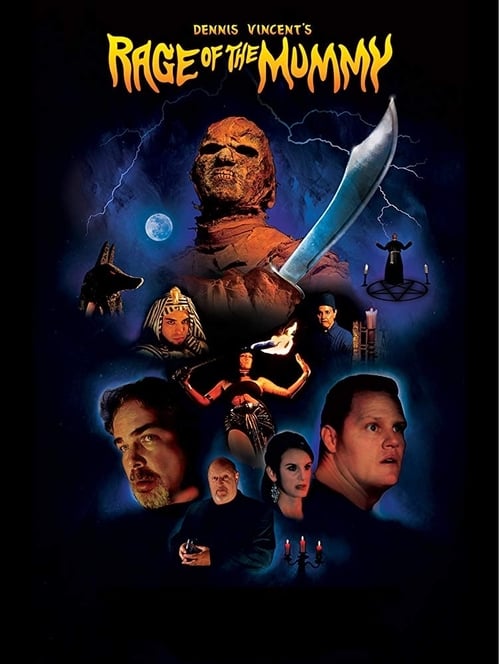
2018
1959
No reviews yet. Be the first to share your thoughts on this movie!
Use the rating form above to leave a star rating and optional review.