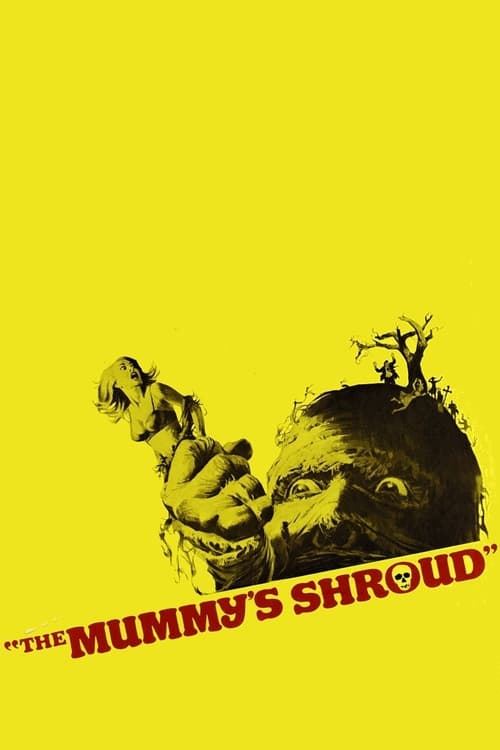
The Mummy's Shroud
1967
No user ratings available yet
Representation score: 1.8 out of 10
Representation Score
Minimal
1957
ApprovedDirector
Lee Sholem
Runtime
66 minutes
Average Rating
No ratings yetNew Showbiz Analysis
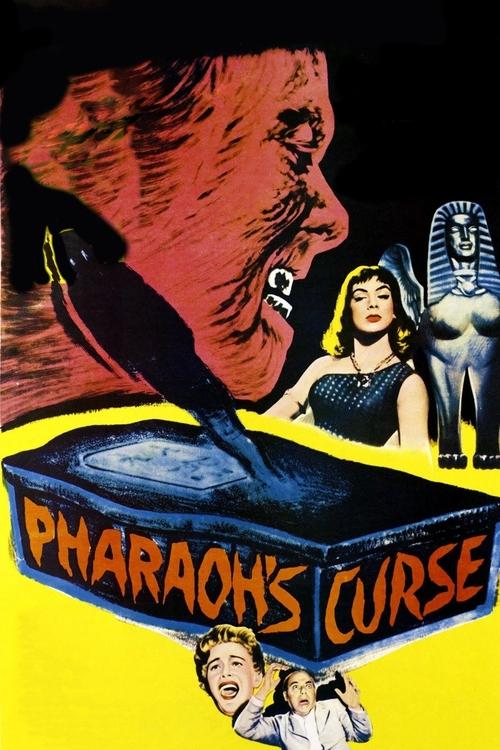
Pharaoh's Curse is a product of mid-century genre filmmaking that relies heavily on established social and cultural norms. The narrative structure follows standard horror conventions of the era, prioritizing suspense and the 'exotic' over complex character development. The film lacks depth in representing multiple aspects of identity, failing to challenge traditional power structures. Instead, it leans into the clichés of its time, such as Western-centric perspectives and traditional gender roles within an archaeological context. Ultimately, the work functions as a conventional genre piece that reflects the era's limited approach to diversity and representation.
Category Breakdown
The film does not include any characters with non-straight sexual orientations or gender identities. It adheres to the strict assumption that everyone is straight, which was common in 1950s horror films.
The production likely reinforces traditional gender roles where men lead the intellectual and discovery aspects, while women play secondary or reactive roles.
Set in Egypt, the film likely uses Orientalist clichés. It focuses on Western protagonists exploring an exotic landscape, often reducing local populations to minor roles.
The ancient curse serves as a typical Western horror threat. This framing emphasizes a Western-centric perspective rather than presenting cultural nuances or moral relativism.
There are no characters with disabilities who have significant roles. Transformations, such as the blood-sucking mummy, serve as instruments of terror rather than meaningful representations of lived experience.
Present on Screen
Limited or Absent
Official Synopsis
Archaeologists in Egypt find one of their crew has been turned into a blood sucking mummy after they have unleashed a three thousand year curse.
1967
1964

2014
1960
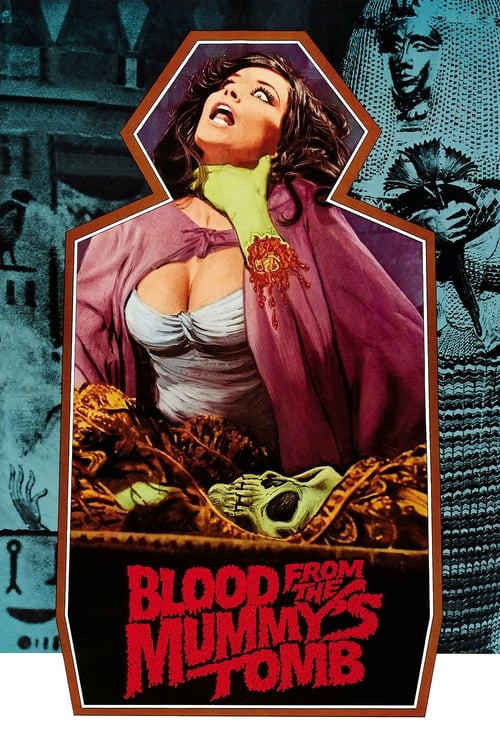
1971
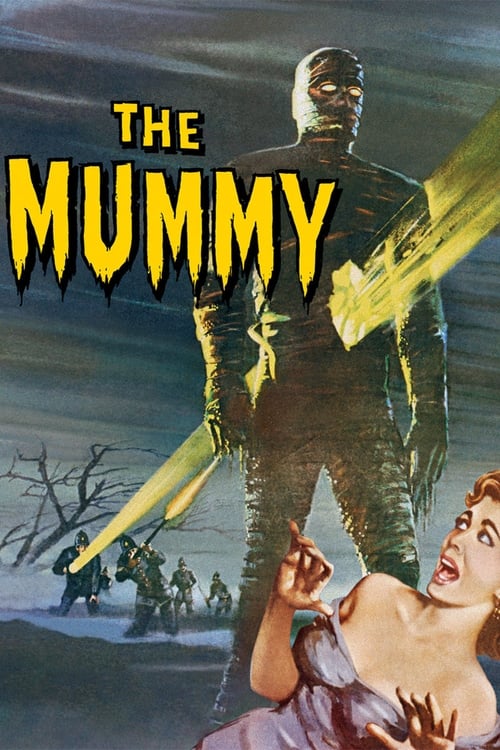
1959
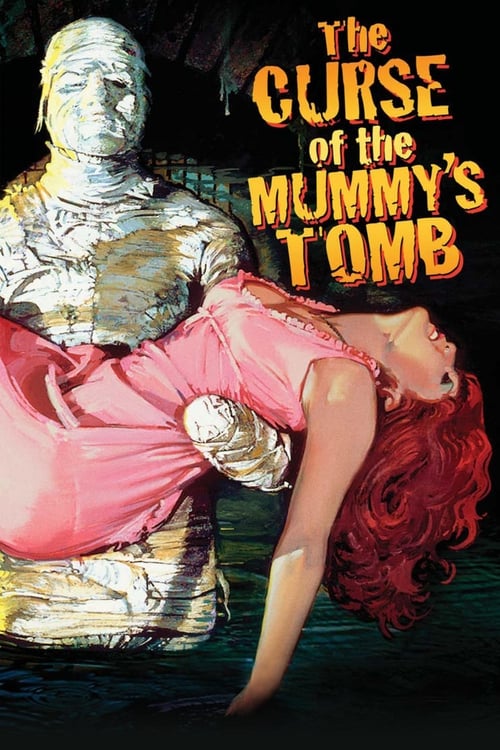
1964
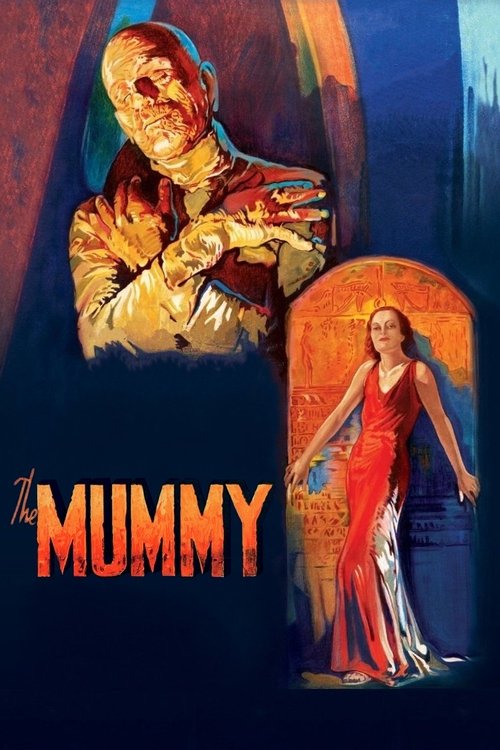
1932
No reviews yet. Be the first to share your thoughts on this movie!
Use the rating form above to leave a star rating and optional review.