
The White Bus
1967
No user ratings available yet
Diversity score: 3.2 out of 10

1961
Director
Will Tremper
Runtime
104 minutes
Average Rating
No ratings yetSynopsis
A farmer from Eastern Germany decides to flee to West Germany.
Overall Score
Limited
Category Breakdown
LGBTQ+ Representation
The film lacks discernible LGBTQ+ narratives or characters. The narrative architecture remains centered on traditional survivalist dynamics without explicit non-cisnormative identities.
Gender Representation
The focus on youth and survival disrupts traditional adult gender hierarchies. However, the film does not explicitly subvert gender roles through female dominance over men.
Racial & Ethnic Diversity
The cast and setting reflect the demographic homogeneity of the era. The film features a predominantly white cast consistent with the historical reality of divided Berlin.
Religious & Cultural Diversity
The film provides a nuanced critique of Western institutions by depicting broken parental, police, and military structures. It challenges the perceived stability of the state.
Disability Representation
There is no evidence of characters with disabilities being granted significant agency. The film focuses more on the systemic ruin of the city than individual impairments.
Strengths
Areas for Improvement
AI Analysis
Escape to Berlin is a historical drama that prioritizes the lived experience of individuals caught in the socio-political fractures of post-war Germany. Its narrative strength lies in its disruption of traditional authority, focusing on how children navigate a fractured social order and a broken system. However, the film lacks modern intersectional markers. It offers almost no representation for LGBTQ+ identities or racial diversity, reflecting the demographic homogeneity of 1961. While it critiques institutional stability, it does so through a survivalist lens rather than a contemporary ideological one.
1967
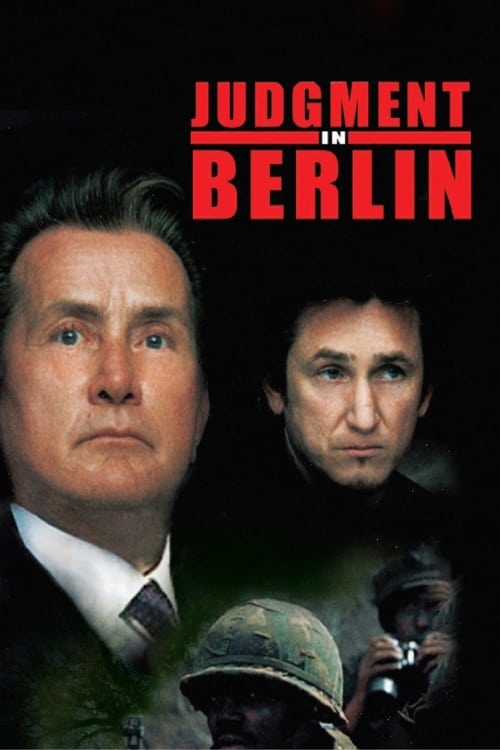
1988
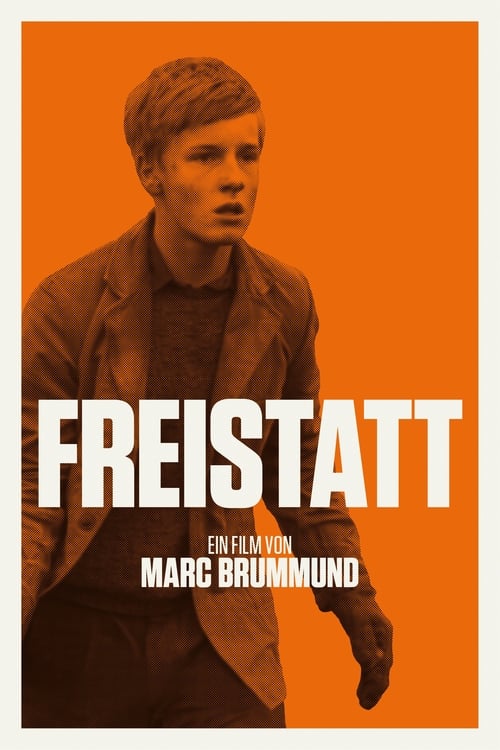
2015

2013

2010

1960

1957

1966
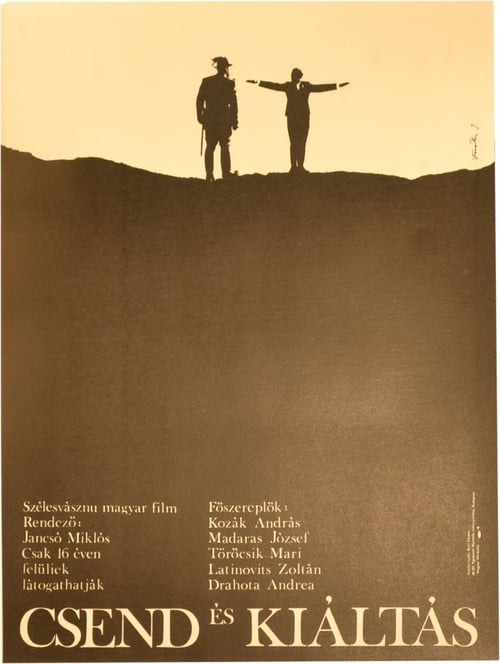
1968
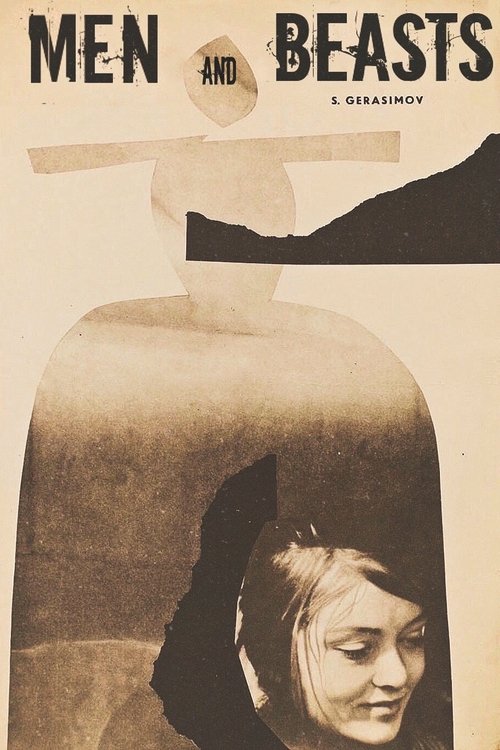
1962

2011
1950
No reviews yet. Be the first to share your thoughts on this movie!
Use the rating form above to leave a star rating and optional review.