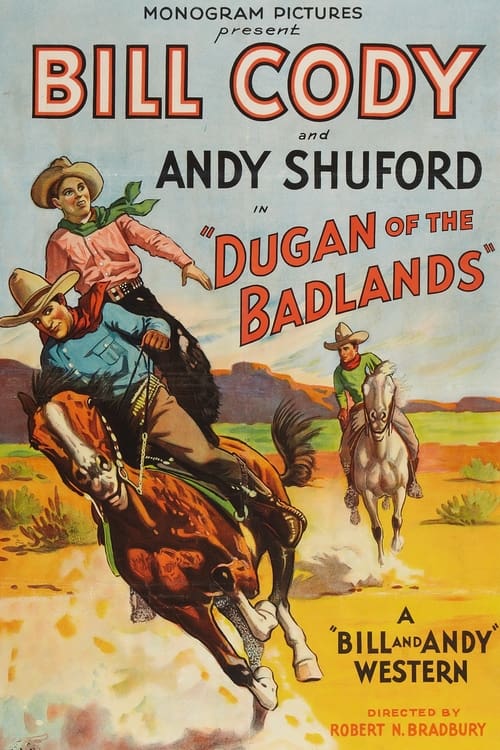
Dugan of the Badlands
1931
No user ratings available yet
Diversity score: 2.7 out of 10
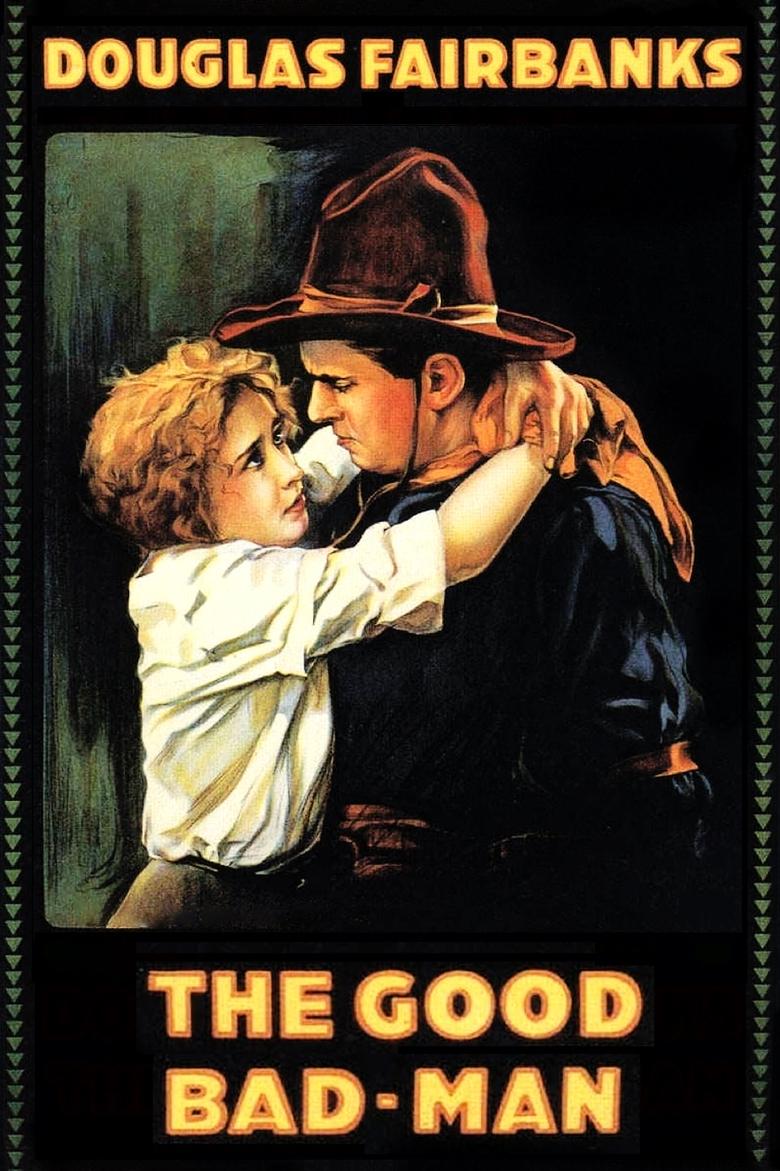
1916
Director
Allan Dwan
Runtime
50 minutes
Average Rating
No ratings yetSynopsis
An outlaw calling himself Passin' Through halts his "evil" ways long enough to help out some children in difficulty.
Overall Score
Limited
Category Breakdown
LGBTQ+ Representation
The film operates within the strict heteronormative frameworks typical of 1916 silent cinema. There is no evidence of non-cisnormative gender identities or same-sex narratives.
Gender Representation
Narrative agency is concentrated almost entirely in the male protagonist, an outlaw named Passin' Through. Female characters lack systemic agency or subversion of traditional gender hierarchies.
Racial & Ethnic Diversity
The film adheres to the homogeneous racial norms of early Hollywood Westerns. It likely centers on Anglo-Saxon protagonists without evidence of a diverse cast.
Religious & Cultural Diversity
The story focuses on a traditional redemption arc for a rogue. It reinforces moral binaries of good versus bad rather than critiquing Western institutions.
Disability Representation
There is no documented evidence regarding the inclusion of characters with physical or neurodivergent disabilities.
Strengths
Areas for Improvement
AI Analysis
The Good Bad-Man is a foundational Western that prioritizes genre archetypes over social complexity. Its narrative structure focuses on the individual moral reformation of a male outlaw, reinforcing the conventional social hierarchies of the early 20th century. While the film explores themes of altruism and redemption, these elements are framed within a rigid moral binary. The lack of intersectional perspectives or diverse casting reflects the standard industry practices of the silent era.
1931
1935
1967
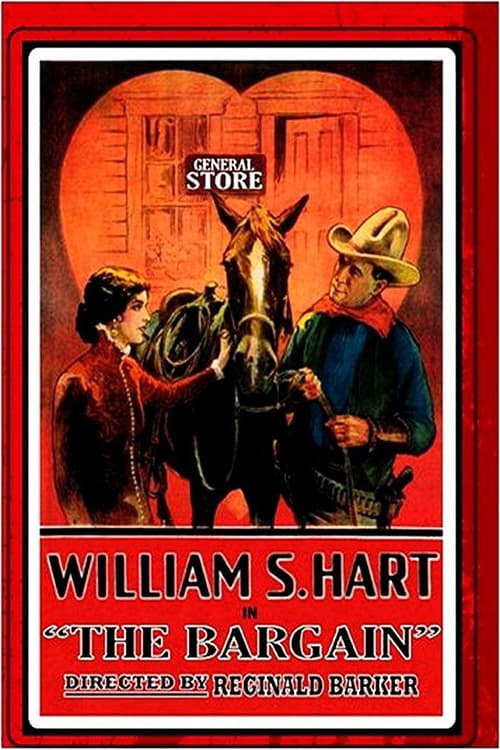
1914
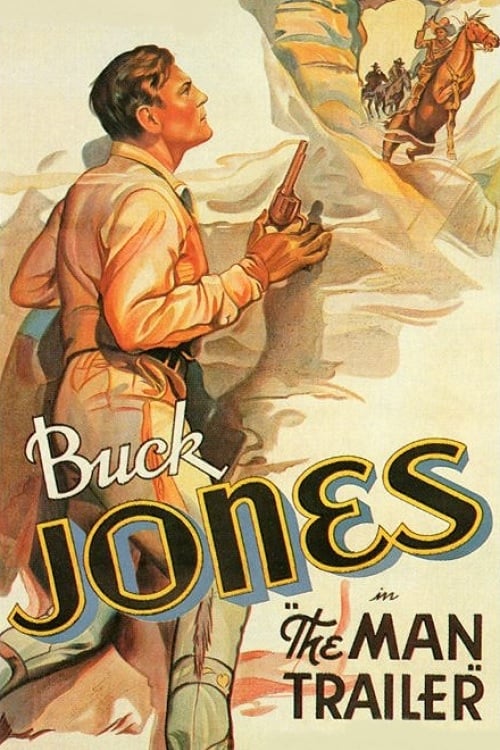
1934
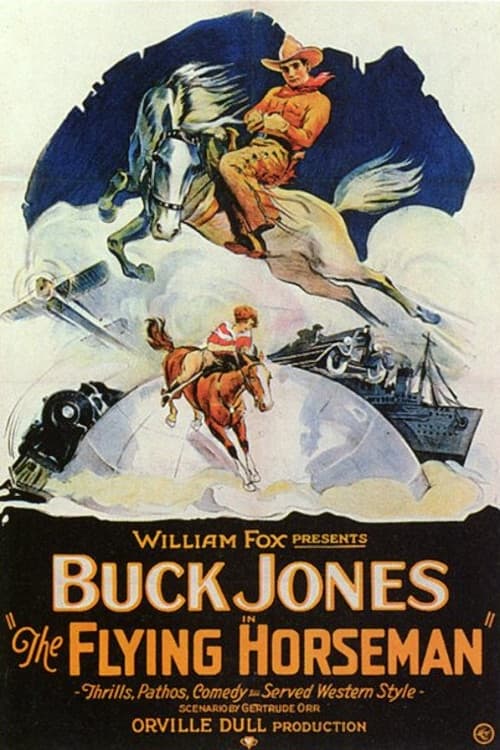
1926
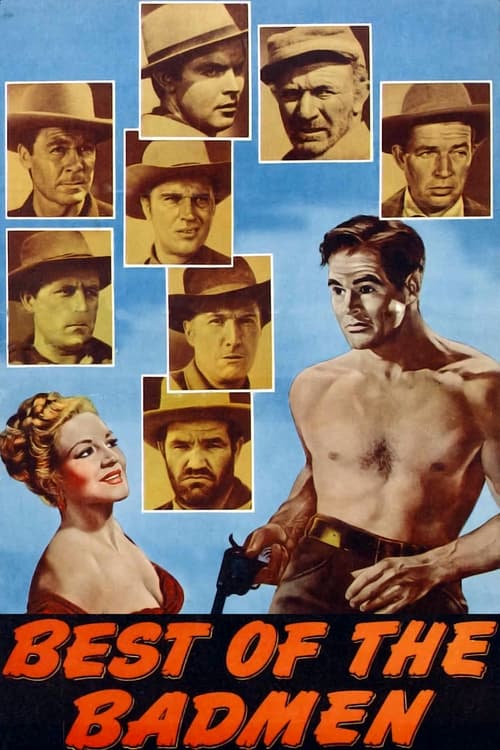
1951
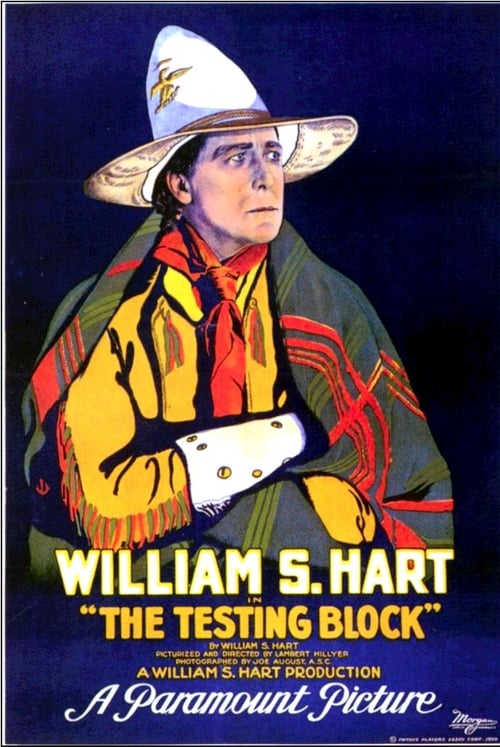
1920
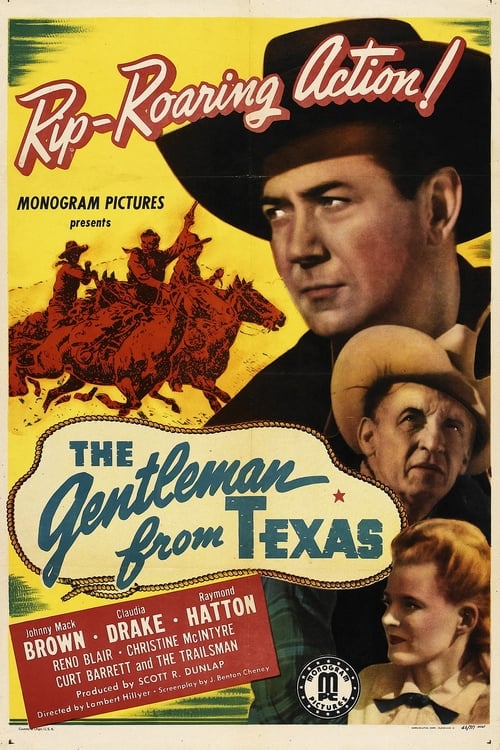
1946
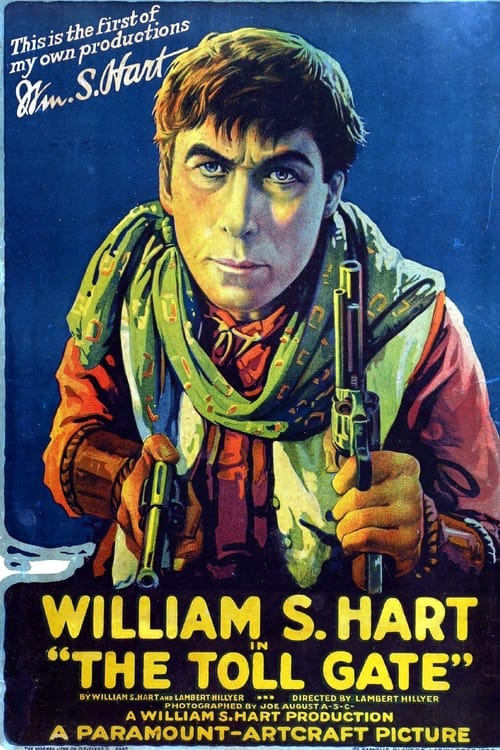
1920
1929
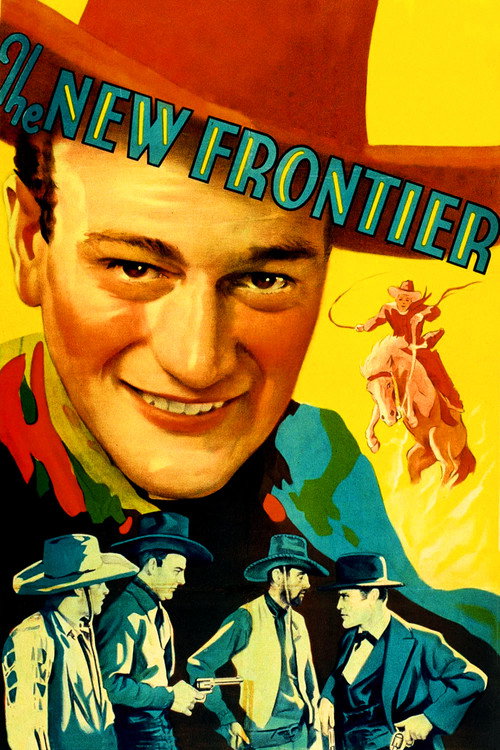
1935
No reviews yet. Be the first to share your thoughts on this movie!
Use the rating form above to leave a star rating and optional review.