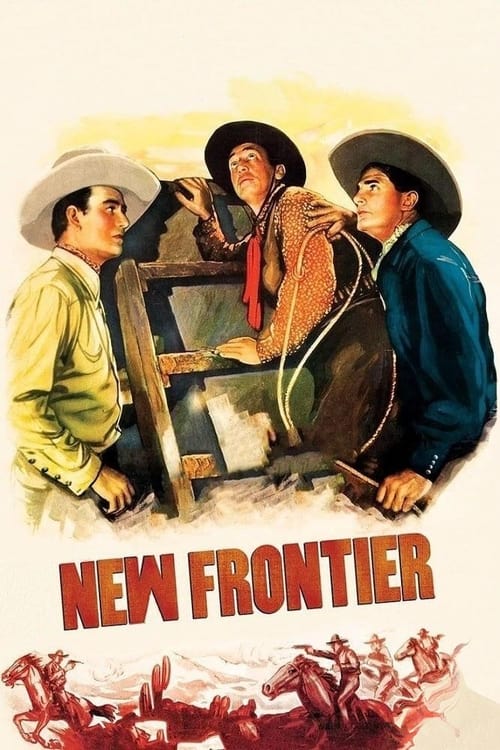
New Frontier
1939
No user ratings available yet
Diversity score: 1.9 out of 10
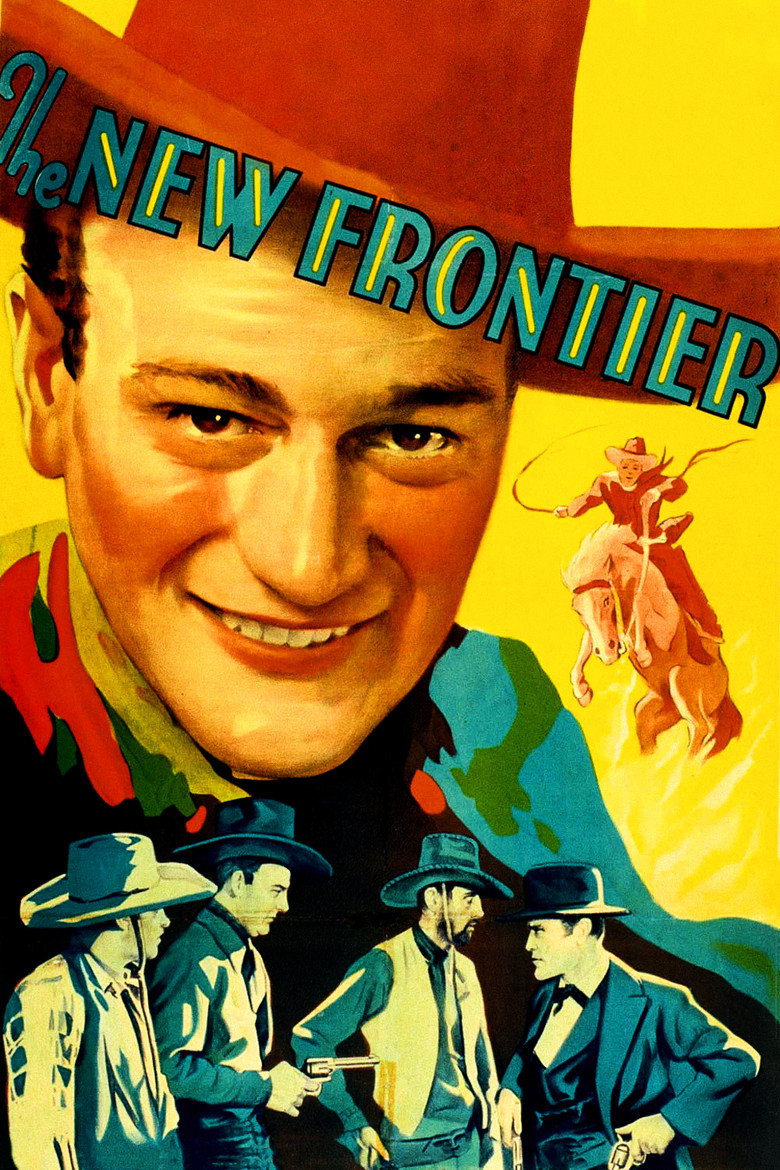
1935
ApprovedDirector
Carl Pierson
Runtime
54 minutes
Average Rating
No ratings yetSynopsis
In 1889 pioneers race ahead of the law to claim free land in Oklahoma, forming wide-open towns. In one such, citizens elect Milt Dawson to challenge the self-appointed rule of gambler Ace Holmes, only to have him shot in the back. But leading the next batch of settlers is Milt's quick-on-the-draw son John, who gets help from friendly outlaws.
Overall Score
Limited
Category Breakdown
LGBTQ+ Representation
The film focuses on traditional kinship structures through the Dawson family lineage. There are no visible non-heteronormative identities or narratives that challenge heteronormativity.
Gender Representation
The story prioritizes masculine archetypes like the quick-draw hero and frontier leaders. Female roles are not explicitly detailed, as the conflict centers on physical prowess and lawlessness.
Racial & Ethnic Diversity
The narrative centers on Anglo-American expansion during the 1889 Oklahoma settlement. There is no evidence of non-white agency or diverse casting within the pioneer setting.
Religious & Cultural Diversity
The plot explores foundational American myths regarding claiming free land and frontier order. It focuses on individualistic morality and the tension between elected leadership and lawless gamblers.
Disability Representation
The film provides no information or characters regarding physical or neurodivergent disabilities.
Strengths
Areas for Improvement
AI Analysis
The New Frontier is a conventional 1930s Western that adheres strictly to the genre tropes of its era. It reinforces traditional social hierarchies, focusing heavily on masculine archetypes and the mythos of Anglo-American westward expansion. The narrative architecture centers on patriarchal lineage and the struggle for territorial control. By prioritizing the 'quick-on-the-draw' hero and settler-based identity, the film functions as a standard exploration of frontier justice rather than a progressive or intersectional study. Ultimately, the film lacks representation for LGBTQ+ identities, diverse racial groups, or characters with disabilities, reflecting the homogeneous social constraints of mid-1930s studio filmmaking.
1939
1950

1939

1939
1939
1929
1931
1932
1948
1956
1935
1930
No reviews yet. Be the first to share your thoughts on this movie!
Use the rating form above to leave a star rating and optional review.