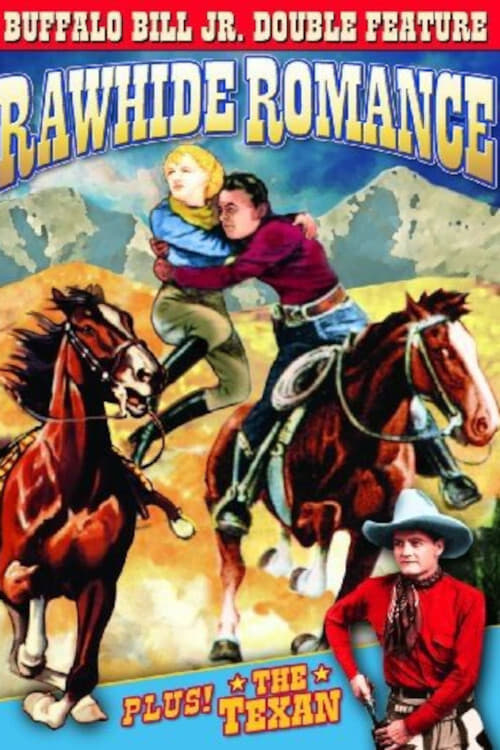
Rawhide Romance
1934
No user ratings available yet
Representation score: 0.4 out of 10

Representation Score
Minimal
1935
ApprovedDirector
S. Roy Luby
Runtime
58 minutes
Average Rating
No ratings yetNew Showbiz Analysis
Arizona Bad Man is a typical 1930s B-movie Western that emphasizes genre conventions over narrative innovation. The plot revolves around the classic conflict between romantic desire and legal duty, using the standard lawman versus outlaw archetype. The film reinforces the social and legal hierarchies of its time. By focusing on the tension between a criminal's daughter and a lawman, the story adheres to traditional moral binaries without challenging them. Overall, the film serves as a typical genre piece of its era. It aligns closely with the cultural and gendered expectations of the mid-1930s.
Category Breakdown
The film centers on a traditional romance between a female lead and a male stranger. It does not include characters with non-binary gender identities or critique the assumption that everyone is straight.
A female character plays a central role, but her influence is mainly tied to her relationship with the protagonist. The male lawman drives the main action and legal outcomes.
The setting suggests a typical Western landscape that traditionally featured Anglo-Saxon characters. Without specific cast information, the narrative seems to follow standard era-specific casting practices.
The story upholds traditional Western institutions and the authority of the law. It emphasizes a binary moral order of good versus evil.
There is no mention of characters with physical or neurodivergent disabilities.
Present on Screen
Limited or Absent
Official Synopsis
The daughter of a notorious cattle thief falls for a stranger at a dance. The stranger is really a lawman who is after her father.
1934
1935
1932
1935
1923
1934

1932
1928
No reviews yet. Be the first to share your thoughts on this movie!
Use the rating form above to leave a star rating and optional review.