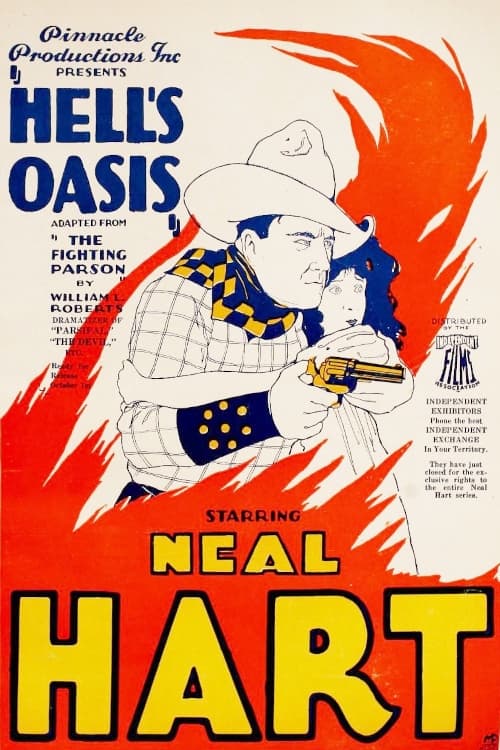
Hell's Oasis
1920
No user ratings available yet
Representation score: 0.3 out of 10
No Poster Available
Representation Score
Minimal
1922
PassedDirector
Neal Hart
Runtime
53 minutes
Average Rating
No ratings yetNew Showbiz Analysis
Butterfly Range is a product of its time, functioning as a typical Western that reinforces the social and cultural hierarchies of the early 1920s. The film relies on traditional clichés of frontier justice and rugged individualism, offering little in the way of social subversion. The representation is heavily focused on a homogeneous, Anglo-Saxon perspective. Gender roles are rigid, placing women in subordinate or domestic positions, while the narrative structure supports the foundational myths of the American West rather than challenging them. Ultimately, the film serves as a historical snapshot of early silent cinema's narrow focus. It lacks meaningful diversity across LGBTQ+, racial, and gendered spectrums, sticking strictly to the established norms of the genre.
Category Breakdown
The film does not include any characters with non-straight or non-cisgender identities. It follows the assumptions common in 1922 cinema that everyone is straight and cisgender.
Women are shown in domestic roles or as passive figures needing protection. The film upholds traditional masculine leadership and stability.
The production likely focuses on Anglo-Saxon protagonists, following the homogeneous casting practices of early Hollywood. There is no indication of diverse casting or subverted racial hierarchies.
The story emphasizes frontier morality and the glorification of expansionist ideals. It operates within traditional Western values without questioning established institutions.
There is no specific information available about the portrayal of characters with disabilities. The surviving records do not provide enough detail to make a determination.
Present on Screen
Limited or Absent
Official Synopsis
Butterfly Range is a 1922 Western
1920
1939
1924

1926
1927
1924
1928
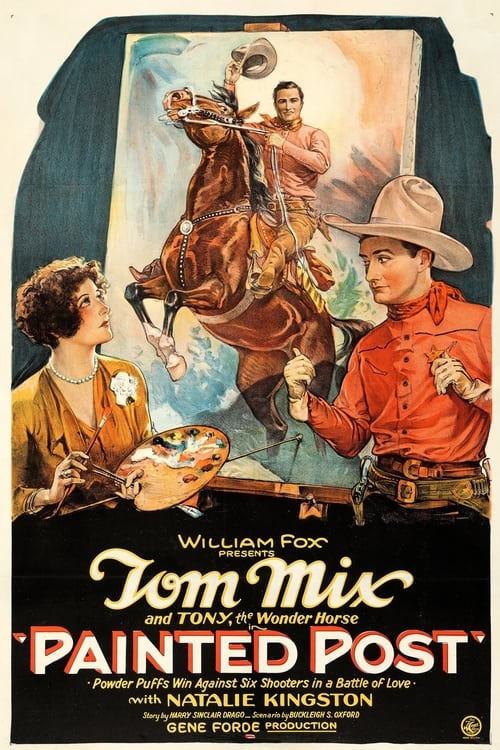
1928
No reviews yet. Be the first to share your thoughts on this movie!
Use the rating form above to leave a star rating and optional review.