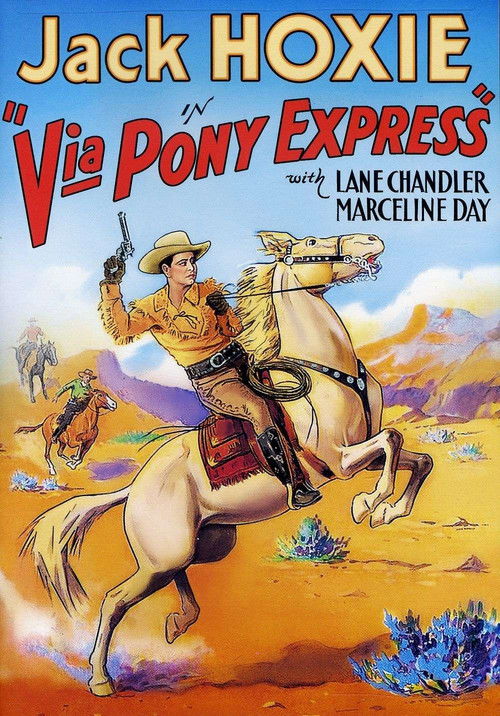
Via Pony Express
1933
No user ratings available yet
Diversity score: 2.8 out of 10

1925
NRDirector
James Cruze
Runtime
66 minutes
Average Rating
No ratings yetSynopsis
The Pony Express is a silent 1925 Western film produced by Famous Players-Lasky and distributed by Paramount Pictures. The film was directed by James Cruze and starred his wife Betty Compson along with Ricardo Cortez, Wallace Beery, and George Bancroft.
Overall Score
Minimal
Category Breakdown
LGBTQ+ Representation
The film contains no discernible representation of LGBTQ+ identities. It adheres strictly to 1920s social mores, focusing on conventional romantic interests.
Gender Representation
Female characters function primarily as romantic motivators or figures needing protection. Masculinity is framed through physical endurance and traditional frontier heroism.
Racial & Ethnic Diversity
Native American characters serve primarily as antagonistic forces to Western expansion. The narrative remains overwhelmingly centered on Anglo-Saxon perspectives of the frontier.
Religious & Cultural Diversity
The film celebrates American expansionism and the spirit of the frontier. It promotes traditional values like patriotism and the concept of manifest destiny.
Disability Representation
No significant depictions of physical or neurodivergent disabilities are present. Characters are defined by their physical utility and ability to endure the route.
Strengths
Areas for Improvement
AI Analysis
James Cruze’s film serves as a quintessential vehicle for traditional Western mythology. It prioritizes the reinforcement of established social, racial, and gender hierarchies rather than offering any subversion of the era's status quo. The narrative architecture relies on standard genre tropes, framing the expansion of Western institutions as a moral necessity. This approach lacks intersectional complexity, focusing instead on a singular, heroic vision of American progress. Ultimately, the film functions to uphold contemporary social hierarchies of the 1920s, presenting a narrow view of the frontier through a lens of traditional heroism and national expansion.
1933
1938
1947
1953
1934
1937
1935
1923
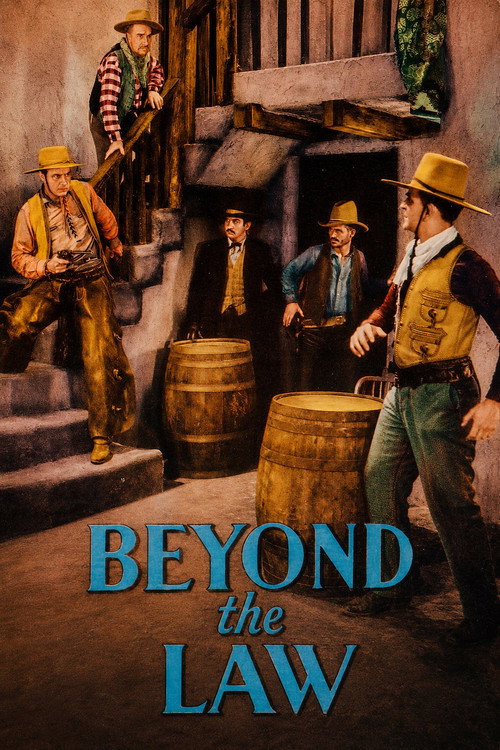
1930
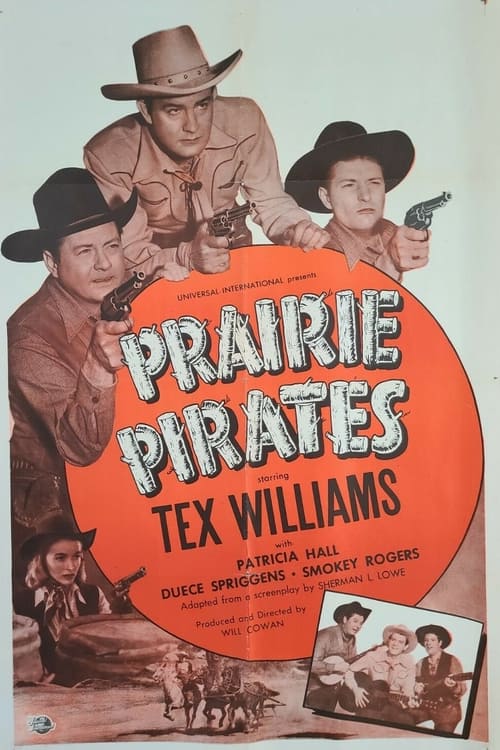
1949
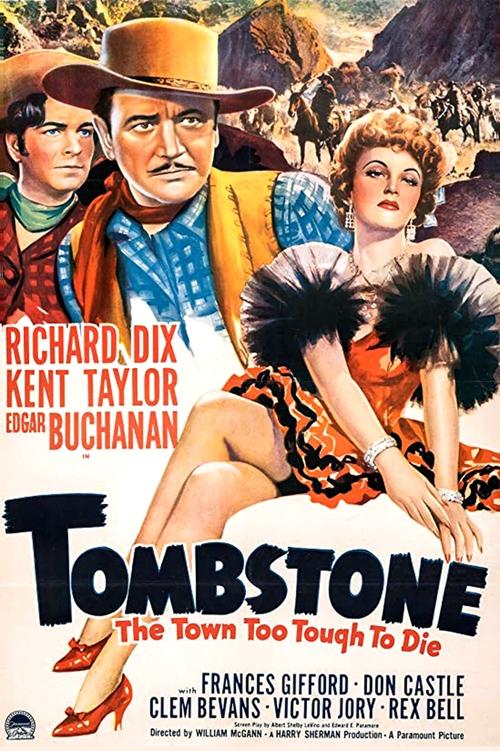
1942
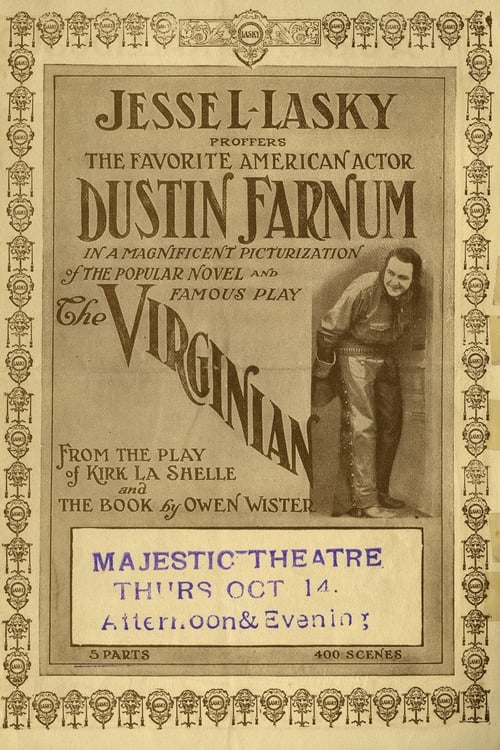
1914
No reviews yet. Be the first to share your thoughts on this movie!
Use the rating form above to leave a star rating and optional review.