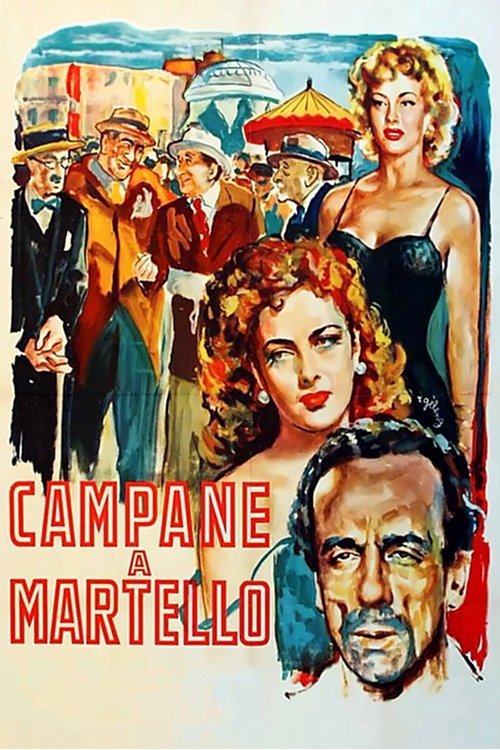
Campane a martello
1949
No user ratings available yet
Representation score: 2.1 out of 10
Representation Score
Fair
1945
Director
Gennaro Righelli
Runtime
79 minutes
Average Rating
No ratings yetNew Showbiz Analysis
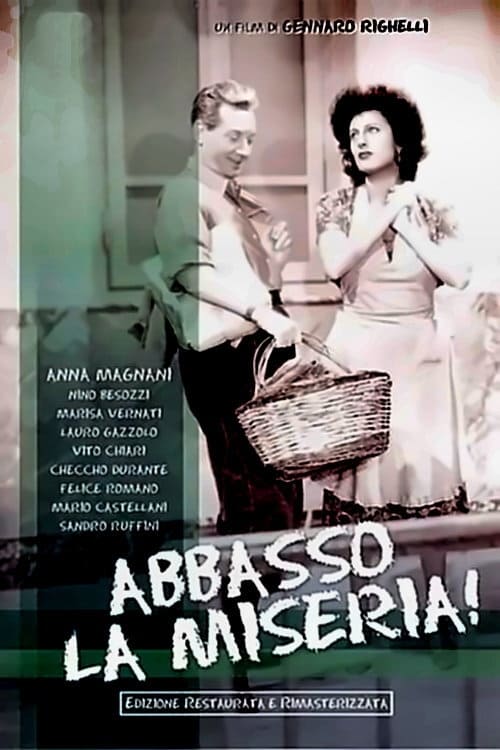
Down with Misery! is a social drama grounded in the material realities of post-war Italy. It offers a critical perspective on wartime scarcity and the predatory nature of the black market. The film contrasts honest workers with ruthless profiteers, providing insight into systemic economic failures. However, the film is constrained by the social hierarchies of its time. It lacks modern markers of diversity, especially concerning gender identity and racial diversity, focusing instead on traditional domestic and professional structures. Ultimately, the film's strength lies in its portrayal of working-class ability to act and the tension between regional identities, even though it remains within a narrow cultural scope.
Category Breakdown
The film focuses on traditional family structures and domestic life centered around heterosexual relationships. There are no representations of LGBTQ+ identities or critiques of the assumption that everyone is straight or cisgender.
Giovanni’s wife is portrayed as having a strong influence and speaking up confidently, avoiding the stereotype of a passive wife. However, her role is still closely linked to her husband's economic situation and his professional success.
The cast reflects the ethnically homogeneous setting of post-war Italy. While it delves into regional tensions between Northern and Roman identities, it does not include broader multi-ethnic diversity.
The story criticizes systemic economic instability and the corruption of the black market. It emphasizes communal empathy and moral integrity over individualistic, predatory behavior.
Nello’s status as an orphan symbolizes social exclusion. Although there is no depiction of physical disabilities, it highlights systemic vulnerability and a lack of institutional support.
Present on Screen
Limited or Absent
Official Synopsis
The two drivers Giovanni and Gaetano are friends. Gaetano, bold and ruthless, thrives in the black market, while Giovanni, who is a naive and fundamentally honest worker from the North of Italy, cannot get any profit and his wife, an energetic and talkative Roman woman, can't help blaming him for his poor business skills. Returning from a trip to Naples, he brings home a little hungry orphan, Nello. At first Giovanni's wife doesn't want the boy, but then she begins to like him. The little boy does whatever he can to help the family. Nello's father, who everybody thought to have died during the war, finds his little son and, being a rich business man, he employs the good and generous Giovanni. Meanwhile the former friend Gaetano is caught by the police and convicted for his illegal trades.
1949
1946
1946

1949
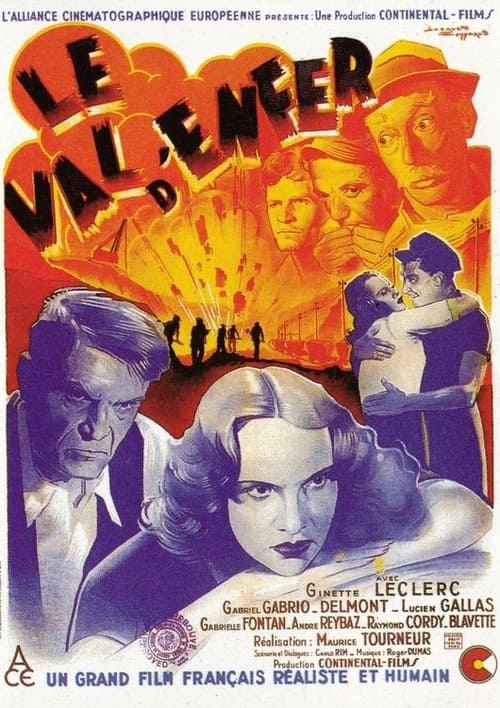
1943
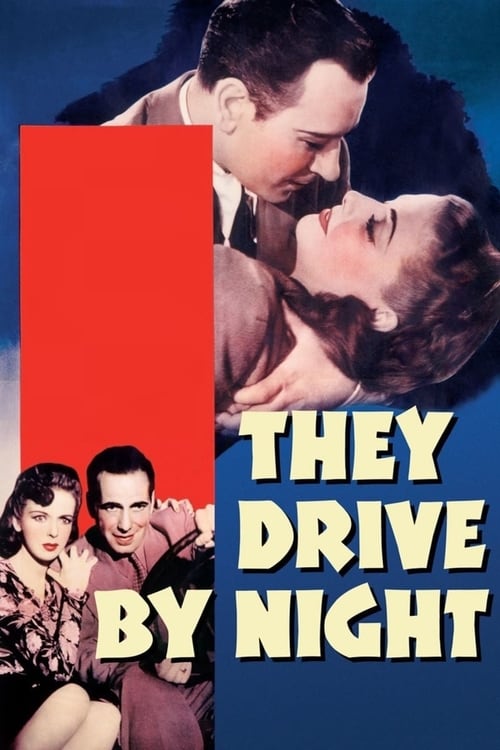
1940

1942
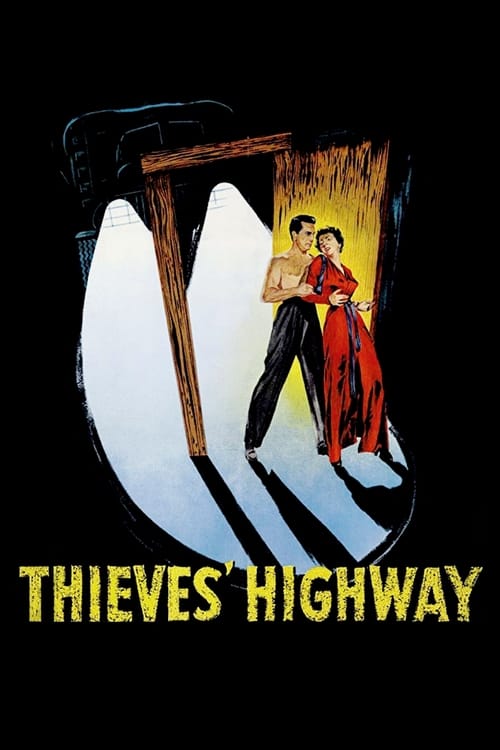
1949
No reviews yet. Be the first to share your thoughts on this movie!
Use the rating form above to leave a star rating and optional review.