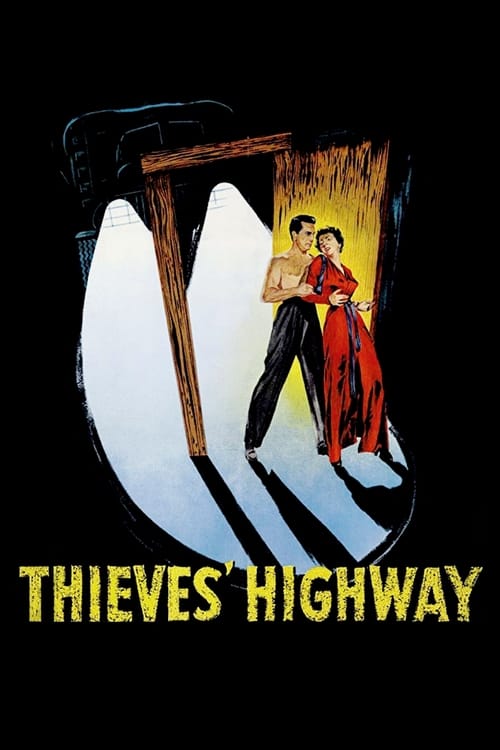
Thieves' Highway
1949
No user ratings available yet
Representation score: 1.5 out of 10
Representation Score
Minimal
1940
NRDirector
Raoul Walsh
Runtime
95 minutes
Average Rating
No ratings yetNew Showbiz Analysis
Raoul Walsh’s film is a quintessential product of the 1940s studio system, prioritizing masculine archetypes and the social status quo. The narrative explores working-class struggles and individual redemption but does so through a highly conventional lens. The film lacks depth in reflecting diverse identities and relies on period-specific stereotypes.
Category Breakdown
The film adheres to a structure that assumes everyone is straight or cisgender. It focuses on male camaraderie and singular romantic motivations for the lead, with no representation of diverse sexual or gender identities.
The workplace is dominated by men, reinforcing traditional masculine roles. Female characters serve as emotional catalysts or romantic interests rather than driving the central plot.
The narrative centers on a white, Anglo-Saxon working-class experience. It relies on stereotypical characters, such as 'Chink,' which reflects period-specific stereotypes.
The story emphasizes traditional 1940s Western values, focusing on redemption through honest labor. It aims to restore the protagonist to a conventional social and legal framework.
There is no representation of physical, sensory, or neurodivergent disabilities within the primary cast or the narrative arc.
Present on Screen
Limited or Absent
Official Synopsis
Joe and Paul Fabrini are Wildcat, or independent, truck drivers who have their own small one-truck business. The Fabrini boys constantly battle distributors, rivals and loan collectors, while trying to make a success of their transport company.
1949
1939
1957
1950

1949
1950
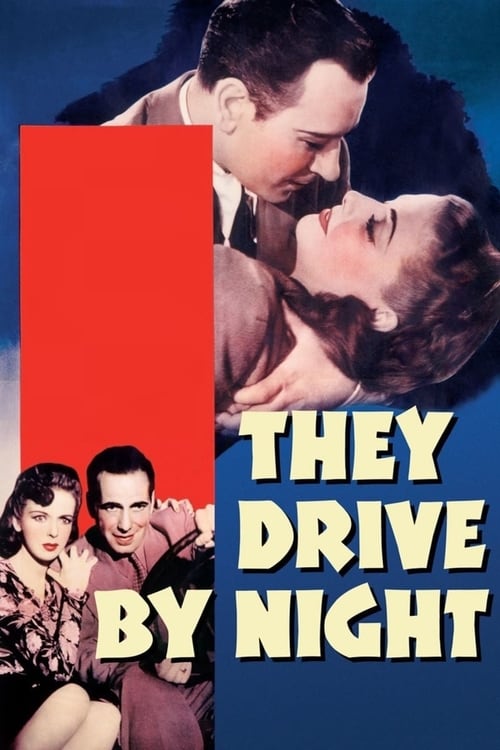
1941
2004
No reviews yet. Be the first to share your thoughts on this movie!
Use the rating form above to leave a star rating and optional review.