
Woman of the River
1954
No user ratings available yet
Representation score: 2.1 out of 10
Representation Score
Minimal
1942
Director
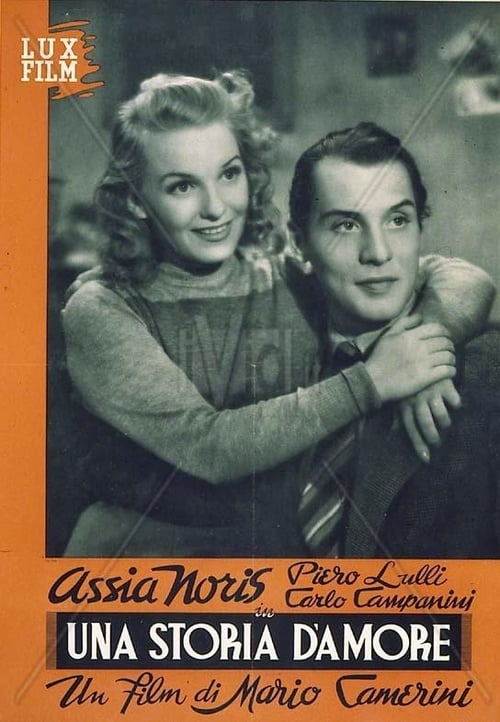
Mario Camerini
Average Rating
No ratings yetNew Showbiz Analysis
Mario Camerini’s drama is a product of its era, adhering to the conventional frameworks of mid-20th-century Italian cinema. The film focuses on individual tragedy and traditional romantic structures, limiting its scope for social disruption. The narrative relies heavily on established formulas, particularly regarding gender and mental health. While the protagonist is a complex figure, her descent into madness and her ultimate fate reinforce traditional social expectations rather than challenging them. Ultimately, the film lacks intentionality regarding the way different parts of someone's identity overlap. It functions as a localized, homogeneous study of social strata and fatalistic drama, reflecting the demographic norms of 1942.
Category Breakdown
The film focuses on a traditional heterosexual relationship. There are no depictions of LGBTQ+ identities or stories that challenge the assumption that everyone is straight or cisgender.
Anna has emotional depth, but her story revolves around being a victim and responding to external male pressures. Her tragedy is tied to domesticity and motherhood rather than challenging patriarchal structures.
The cast and setting are ethnically uniform, reflecting the historical context of 1942 Italy. It functions as a localized study of Italian social classes without diverse casting.
The story emphasizes traditional morality and the sanctity of the family unit. It focuses on individual struggles within the working class rather than systemic critiques.
Mental instability serves as a central plot driver for the protagonist's tragedy. This portrayal uses psychological collapse as a narrative device rather than exploring neurodivergence with real power.
Present on Screen
Limited or Absent
Official Synopsis
Anna, a woman with a troubled past, marries an honest worker at the SIMA mechanical workshop, who provides her with a decent life despite financial difficulties. Blackmailed by a man who knows about her past, Anna loses her mind and kills him. Sentenced to ten years in prison, she dies in childbirth while giving birth to a baby girl.
1954

1949
1950

1957
1938
1920
1934
1954
No reviews yet. Be the first to share your thoughts on this movie!
Use the rating form above to leave a star rating and optional review.