
Islamic Exorcist
2017
No user ratings available yet
Representation score: 3.0 out of 10
Representation Score
Fair
2017
Director
Jose Poernomo
Runtime
89 minutes
Average Rating
No ratings yetNew Showbiz Analysis
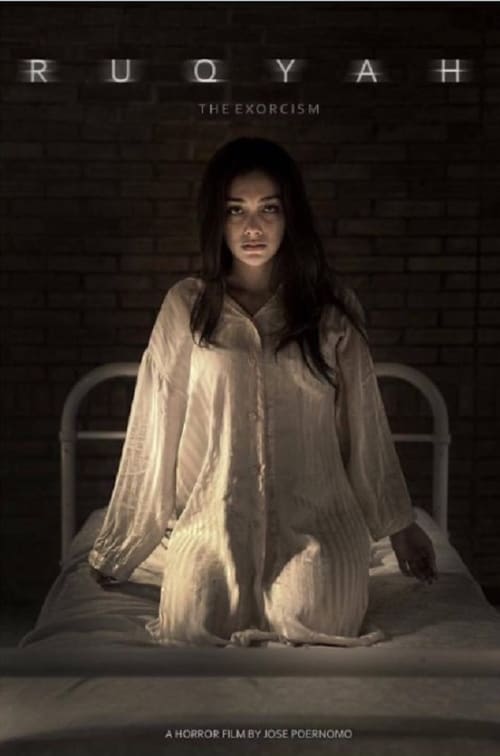
Ruqyah - The Exorcism is a genre-driven film that prioritizes traditional supernatural narratives over social challenges. It relies heavily on established cultural and religious hierarchies to drive its plot. The film reinforces conventional gender and spiritual roles. The male lead acts as a savior, while the female lead serves as a vessel for supernatural conflict, all within a strictly religious framework. While the film provides a specific Indonesian cultural identity, it lacks diversity in terms of identity, multi-ethnic dynamics, or the deconstruction of systemic power structures.
Category Breakdown
The film follows a traditional romantic storyline between Mahisa and Asha. It does not include any representation of non-straight or non-cisgender identities or narratives that challenge the assumption that everyone is straight or cisgender.
Gender roles follow traditional patterns, positioning the male protagonist as a protector. Asha's character is defined largely by her vulnerability and her need for male-driven intervention.
The story offers a localized Indonesian perspective. However, it maintains a homogeneous cultural framework rather than exploring multi-ethnic or diverse dynamics.
The narrative is deeply rooted in Islamic exorcism traditions. It reinforces religious authority and spiritual morality as the primary means of resolving conflict.
Supernatural possession is used as a plot device for conflict. This framing risks treating a loss of control over one's actions as a spiritual affliction rather than a nuanced portrayal of disability.
Present on Screen
Limited or Absent
Official Synopsis
This is a true story that happened mid-2012: Mahisa (Evan Sanders) wants to help a movie star named Asha (Celine Evangelista) who feel annoyed by the spirits. Due to too many strange incidents he sees, Mahisa is convinced that Asha is possessed by a supernatural being. After consulting with the famous ustad, he tries to do ruqyah (exorcism) to clean Asha. It turns out that what possesses Asha is not easy to be released, even attacking Mahisa. What possesses Asha is meant to be "charmer" to be liked by many people. Mahisa is also attracted to Asha.
2017
1961
1974

2022
2012
2024

1974
2010
No reviews yet. Be the first to share your thoughts on this movie!
Use the rating form above to leave a star rating and optional review.