
Fox Hunting
1980
No user ratings available yet
Representation score: 3.6 out of 10

Representation Score
Minimal
1951
Director
Jean Georgescu
Runtime
66 minutes
Average Rating
No ratings yetNew Showbiz Analysis
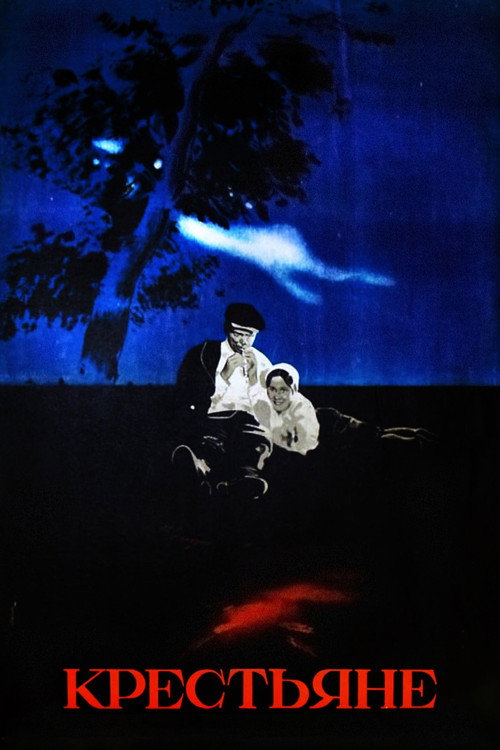
In Our Village is a historical drama centered on the sociopolitical upheaval of collectivization in Romania. The narrative focuses on the internal fractures of a rural community, examining how systemic shifts disrupt traditional communal structures and interpersonal hierarchies. The film's impact is driven by its ideological focus rather than modern multi-layered markers. It functions as a study of systemic restructuring, where heated debates over land ownership lead to violent social disruptions. While the film lacks diversity in terms of gender, race, and orientation, it provides a deep exploration of cultural and class-based identity during a period of intense transition.
Category Breakdown
The film does not include any LGBTQ+ characters or narratives. It focuses on the agrarian and class-based conflicts within the rural community.
Men play the primary roles in driving political and violent actions. Women in the peasant community likely adhere to traditional gender roles.
The setting is a homogeneous rural village centered on Romanian peasantry. The narrative prioritizes internal class distinctions over multi-ethnic or racial diversity.
The film centers the conflict around collectivization and communal identity. It critiques traditional private land ownership and the established social hierarchy of the village.
There is no documented evidence regarding the portrayal of characters with physical or neurodivergent disabilities.
Present on Screen
Limited or Absent
Official Synopsis
The film shows that Romanian peasants were divided between those opposing and those embracing collectivization. The heated debates between the pro and con camps would ultimately lead to murder.
1980

1930
1960

1964
1970
1935
1968
1976
No reviews yet. Be the first to share your thoughts on this movie!
Use the rating form above to leave a star rating and optional review.