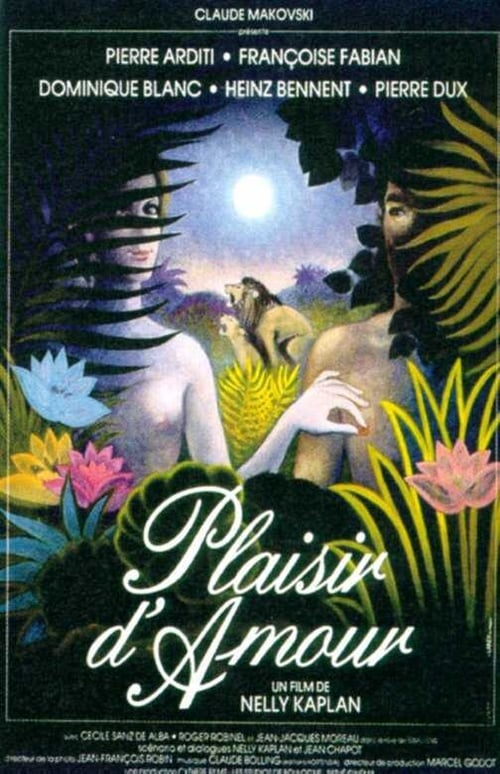
The Pleasure of Love
1991
No user ratings available yet
Diversity score: 6.8 out of 10
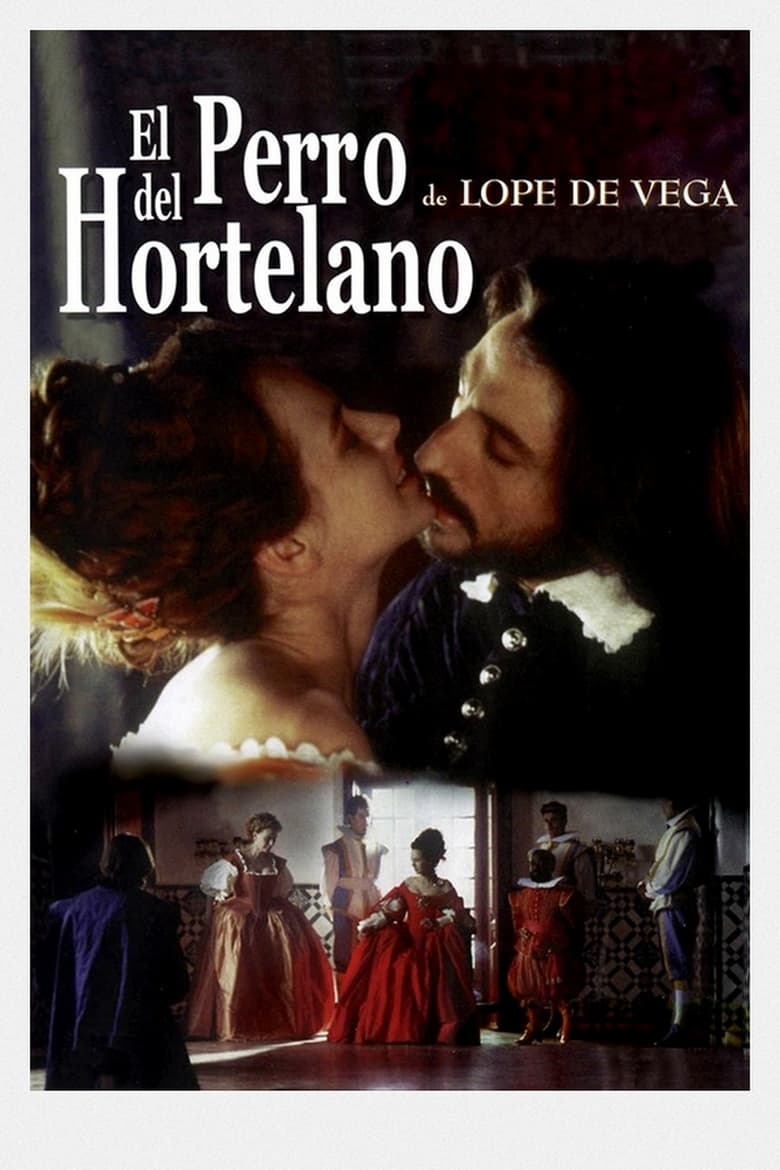
1996
Director
Pilar Miró
Runtime
105 minutes
Average Rating
No ratings yetSynopsis
Countess Diana de Belflor is in love with Teodoro, her secretary, but he is engaged to Marcela.
Overall Score
Fair
Category Breakdown
LGBTQ+ Representation
The film focuses on romantic tensions within a 16th-century class structure. It lacks explicit depictions of non-heteronormative identities, remaining within traditional romantic frameworks.
Gender Representation
Countess Diana challenges patriarchal norms through her intellectual dominance and agency. The film uses a female gaze to critique the limitations placed on noblewomen.
Racial & Ethnic Diversity
The setting reflects the historical homogeneity of Renaissance Spain. Narrative tension arises from class distinctions between nobility and traveling performers rather than ethnic intersectionality.
Religious & Cultural Diversity
The story critiques rigid Spanish aristocratic hierarchies and social codes. It examines the friction between established institutions and those living on the margins of society.
Disability Representation
There are no prominent depictions of visible or invisible disabilities that serve as central narrative drivers.
Strengths
Areas for Improvement
AI Analysis
Pilar Miró’s film is a sophisticated period piece that prioritizes the deconstruction of gendered power and class hierarchies. It succeeds in subverting traditional gender roles, particularly through the agency of its female protagonist. While the film excels in its critique of systemic social structures, it remains limited by its historical setting. The lack of queer narratives and ethnic diversity reflects the homogeneity of the era depicted. Ultimately, the film is a study of individual agency fighting against an oppressive social order, using class and gender as its primary lenses.
1991

1977
2006
1982

2006
1959

1976

2006

1990

1957
2005
1998
No reviews yet. Be the first to share your thoughts on this movie!
Use the rating form above to leave a star rating and optional review.