
I Thought It Was Love
1991
No user ratings available yet
Diversity score: 4.6 out of 10

1977
Director
Giuseppe Bertolucci
Runtime
95 minutes
Average Rating
No ratings yetSynopsis
A young poet falls in love with a sophisticated woman who hates poetry. But the poet wants to win her with poetry — and a bit of help from his mum.
Overall Score
Fair
Category Breakdown
LGBTQ+ Representation
The film focuses on a traditional romantic pursuit between a male poet and a woman. There is no evidence of queer identities or non-heteronormative structures.
Gender Representation
A sophisticated woman challenges the male intellectual trope by rejecting the protagonist's poetry. However, the plot relies on a mother figure to facilitate the romantic pursuit.
Racial & Ethnic Diversity
The production reflects the demographic homogeneity typical of 1977 Italy. The narrative centers on localized class and intellectual distinctions rather than racial dynamics.
Religious & Cultural Diversity
The story prioritizes artistic expression and individual truth over rigid social protocols. It uses comedy to critique conventional middle-class stability and social hierarchies.
Disability Representation
There is no mention of characters with physical or neurodivergent disabilities within the narrative.
Strengths
Areas for Improvement
AI Analysis
Berlinguer: I Love You is a character-driven comedy that explores the friction between artistic idealism and social pragmatism. It succeeds in subverting some gender tropes by positioning the female lead as an intellectual foil to the protagonist. However, the film remains limited by the demographic norms of its era. It lacks racial diversity and queer representation, focusing instead on the specific socio-political textures of Italian life. The narrative relies on traditional familial structures to drive the plot forward.
1991

1982
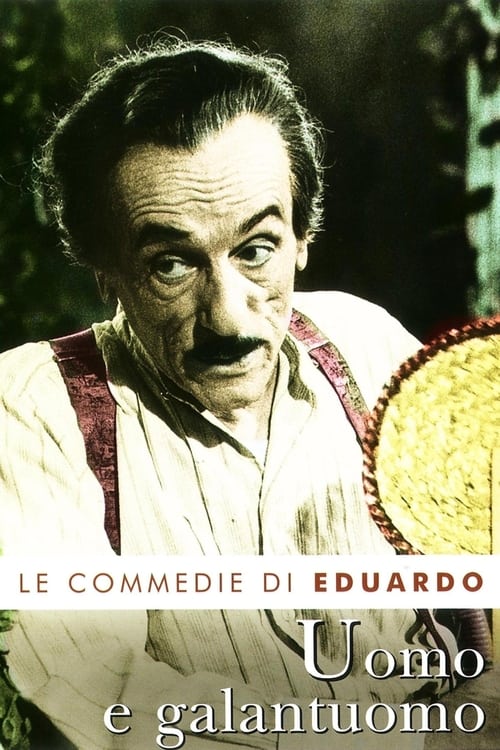
1975

2012
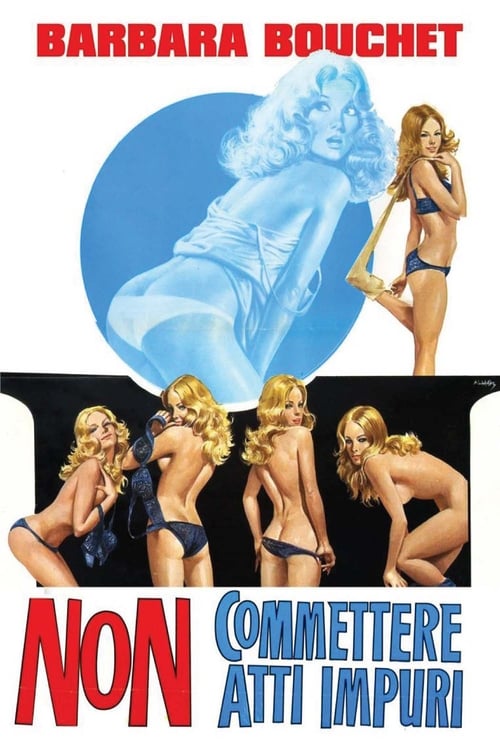
1971
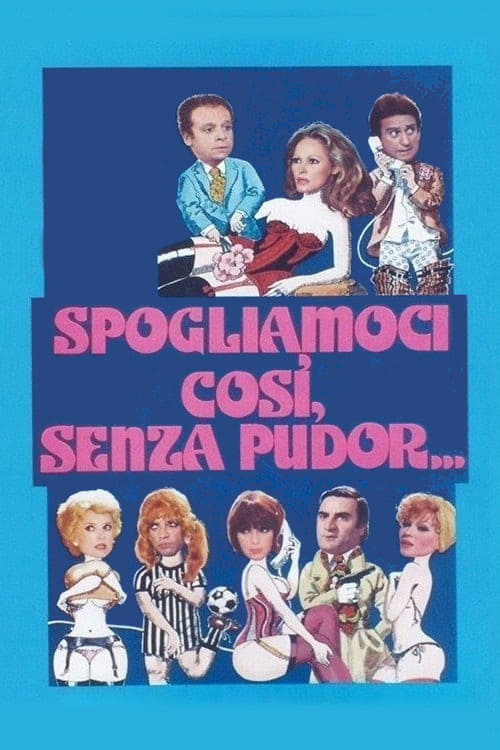
1976

1993
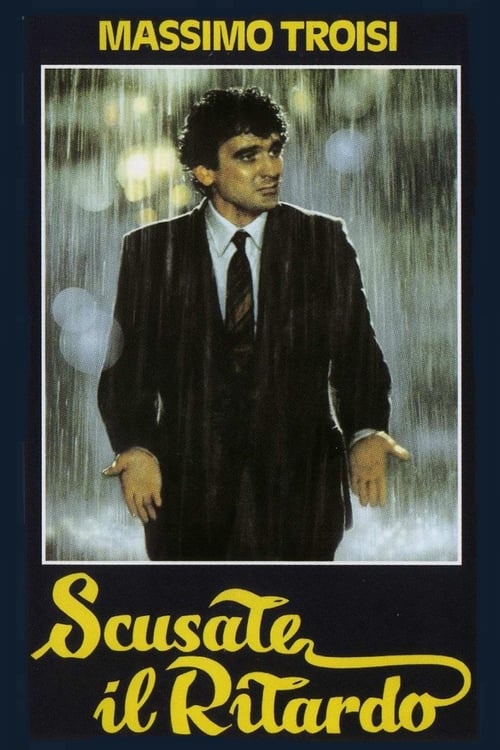
1983
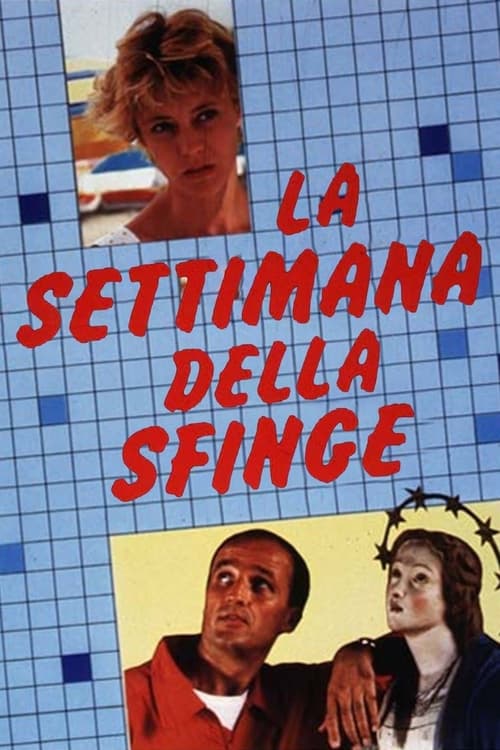
1990

1960
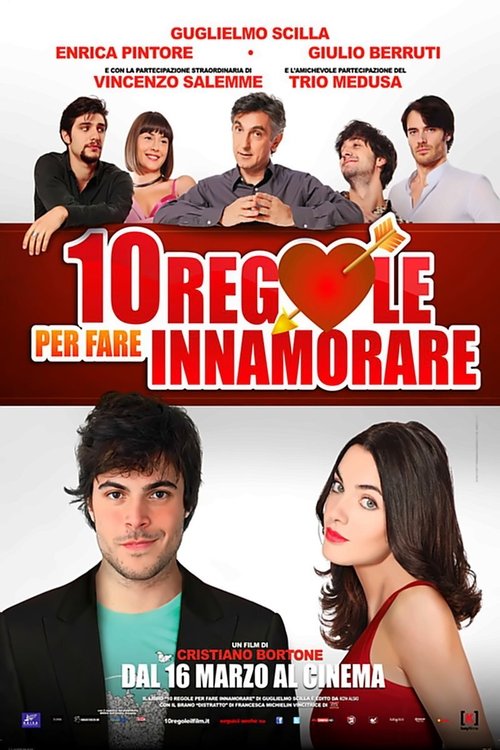
2012
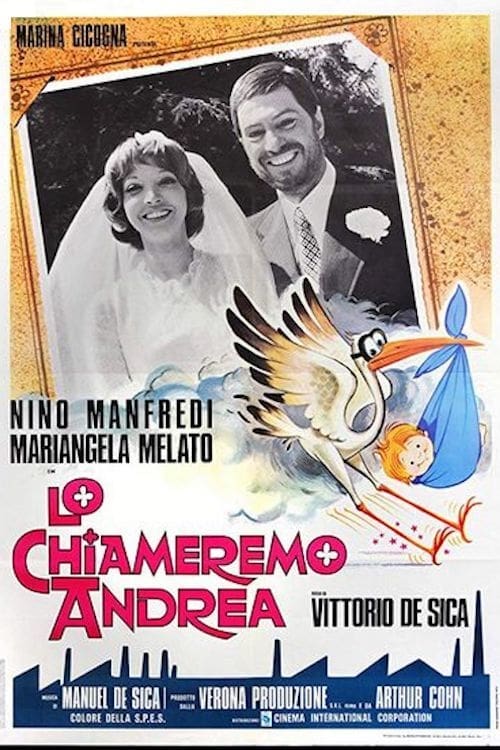
1972
No reviews yet. Be the first to share your thoughts on this movie!
Use the rating form above to leave a star rating and optional review.