To Dorothy, a Son
1954
No user ratings available yet
Diversity score: 4.3 out of 10
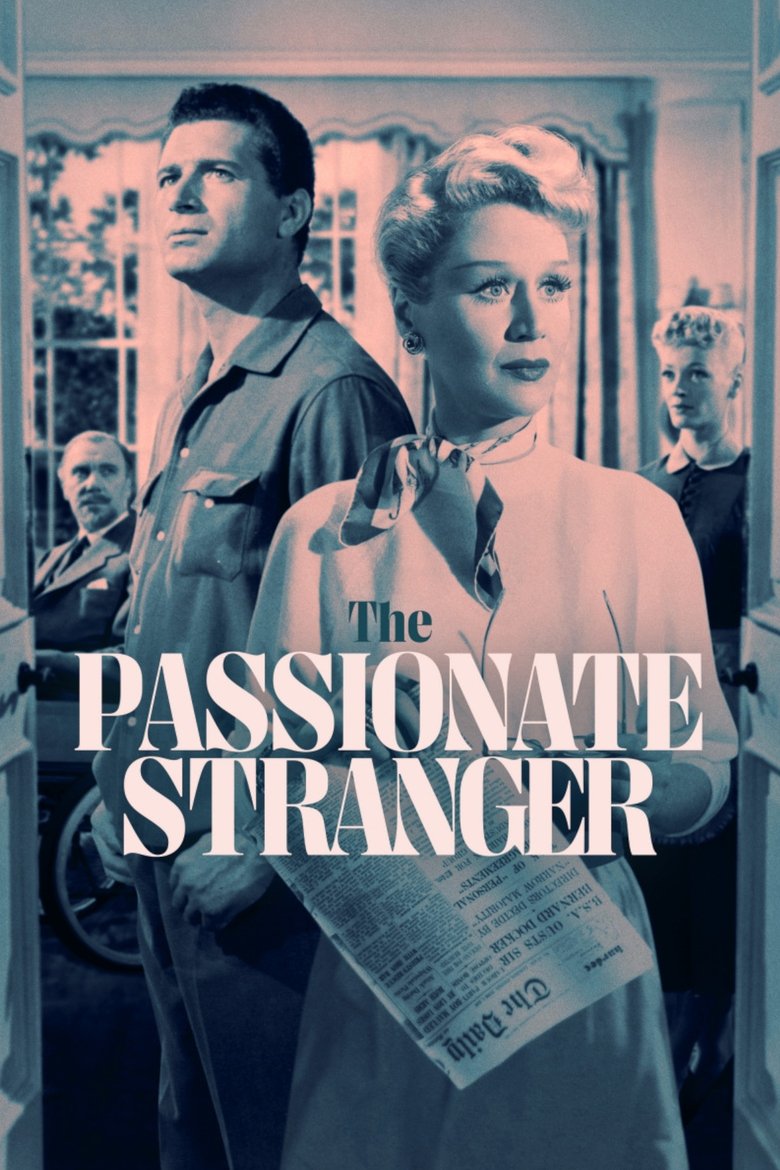
1957
Director
Muriel Box
Runtime
97 minutes
Average Rating
No ratings yetSynopsis
Judith Wynter is a happily married novelist whose romantic works are eagerly devoured by scores of female readers. When Carlo, a handsome young Italian chauffeur, arrives to work for Judith and her husband, a professor currently recovering from an attack of paralysis, he causes quite a flutter; when he then reads the manuscript of Judith's latest novel, he jumps to a rather unfortunate conclusion... and life in the Wynter household becomes very complicated indeed!
Overall Score
Fair
Category Breakdown
LGBTQ+ Representation
The film focuses on heteronormative romantic entanglements and traditional marriage dynamics. There is no evidence of non-cisnormative identities or narratives that challenge the era's conventional romantic frameworks.
Gender Representation
Judith Wynter’s role as a successful novelist provides a layer of intellectual agency. The story explores the tension between her professional identity and her domestic life, centering on female autonomy.
Racial & Ethnic Diversity
The cast appears largely homogeneous, reflecting the social constraints of the era. The Italian character Carlo serves more as an exotic trope than a tool for broader intersectional exploration.
Religious & Cultural Diversity
The narrative examines the friction between individual passion and rigid social proprieties. While it critiques restrictive social institutions, it remains tethered to mid-century romantic conventions.
Disability Representation
The husband's paralysis functions primarily as a plot device to shift household power dynamics. It lacks a nuanced portrayal of disability or independent agency beyond his medical condition.
Strengths
Areas for Improvement
AI Analysis
Directed by Muriel Box, the film offers a notable focus on female intellectual and emotional agency. By centering a female novelist, the narrative disrupts some traditional hierarchies of the 1950s. However, the film is largely constrained by the demographic and social norms of its time. It relies on conventional romantic tropes and lacks significant representation of LGBTQ+ identities or diverse racial perspectives. While the inclusion of a character with a disability provides narrative tension, it serves the plot rather than offering a deep exploration of lived experience. The result is a film with localized progressive elements within a traditional framework.
1954
1971
1976
1980
1956
1969
1982

1974
1970
2005
1957
1962
No reviews yet. Be the first to share your thoughts on this movie!
Use the rating form above to leave a star rating and optional review.