
Peacemaker Kurogane: Belief
2018
No user ratings available yet
Representation score: 4.0 out of 10

Representation Score
Fair
2013
Director
Koichi Chigira
Runtime
26 minutes
Average Rating
No ratings yetNew Showbiz Analysis
Ryo is a historical drama that adheres to the established frameworks of the samurai genre. It focuses on individual ability to act and political upheaval during a period of significant geopolitical change in Japan. The film emphasizes traditional clichés of duty and loss. While it avoids overt harmful stereotypes, it lacks the complexity or active subversion of social hierarchies found in more progressive works. Ultimately, the narrative is driven by the personal journey of a protagonist navigating systemic shifts caused by foreign contact, remaining largely within the bounds of historical genre expectations.
Category Breakdown
The film does not include any characters or narratives related to LGBTQ+ identities. The relationship between Ryo and Ryoma Sakamoto is portrayed through political and bodyguard roles rather than queer identities.
The story centers around male-dominated samurai culture and political maneuvering. It emphasizes traditional male clichés of the warrior class without explicitly challenging gender hierarchies.
The cast is culturally homogeneous, reflecting the historical Japanese setting. However, the arrival of English ships introduces cross-cultural conflict and Western influence as key plot elements.
The narrative explores the deconstruction of Japanese isolationism during a period of modernization. It uses historical shifts to examine the tension between tradition and emerging modernities.
There is no mention of characters dealing with physical or neurodivergent disabilities within the narrative.
Present on Screen
Limited or Absent
Official Synopsis
The son of a samurai who lost his parents during the attack of English ships on a Japanese town is given the name Ryo and becomes the bodyguard of Ryoma Sakamoto, a man who has his own plan to fight for the country.
2018
1997

2011
2009
2004
2015

2012
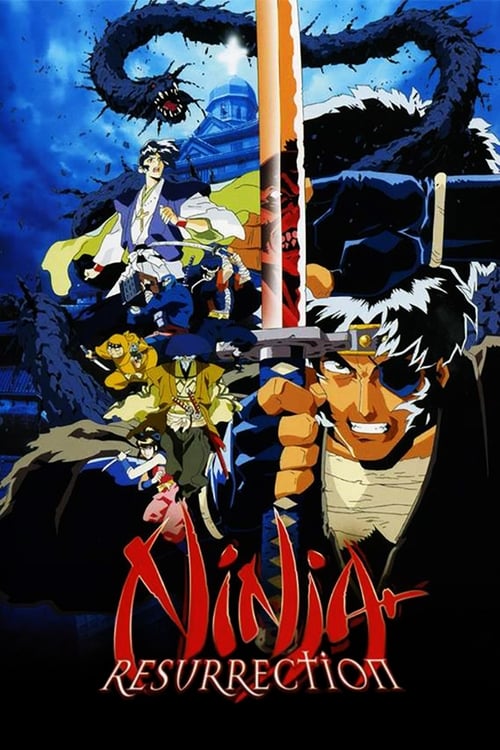
1997
No reviews yet. Be the first to share your thoughts on this movie!
Use the rating form above to leave a star rating and optional review.