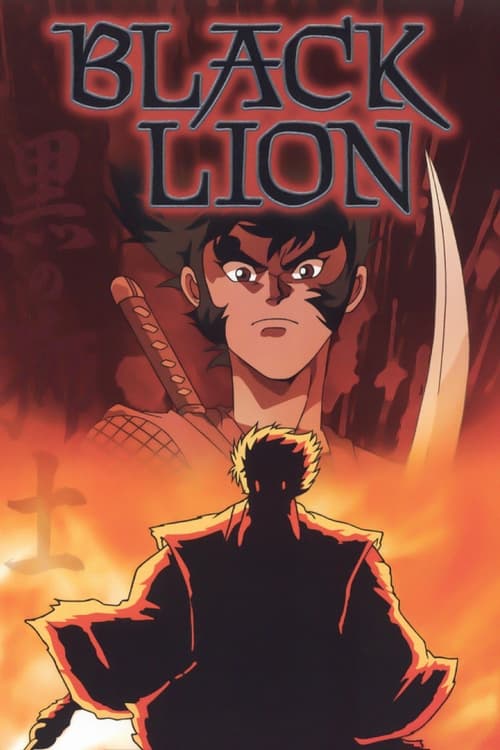
Black Lion
1992
No user ratings available yet
Representation score: 1.9 out of 10
Representation Score
Fair
1997
UnratedDirector
Yasunori Urata
Runtime
80 minutes
Average Rating
No ratings yetNew Showbiz Analysis
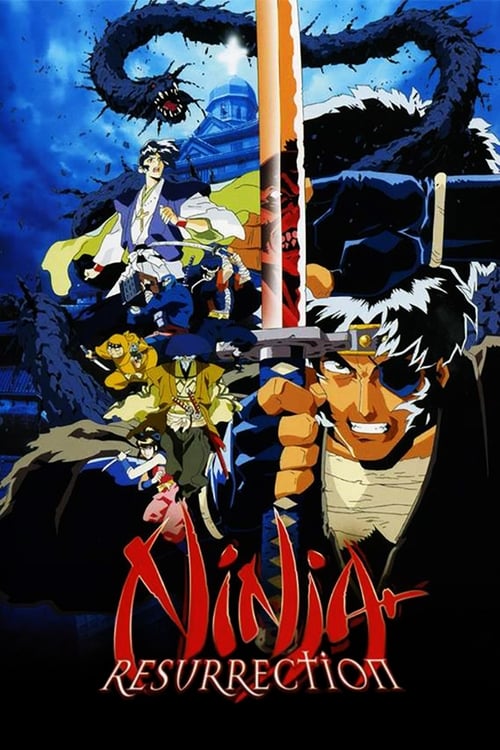
Ninja Resurrection is a traditional genre piece centered around historical fantasy and supernatural action. It uses the Tokugawa era and the Shimabara Rebellion as a backdrop for stylized combat rather than social critique. While the film offers a nuanced look at historical religious tensions, it does not prioritize progressive representation. The narrative remains firmly rooted in 1990s martial arts animation clichés. Ultimately, the work focuses on folklore-inspired horror and martial arts archetypes over the exploration of diverse identities or the subversion of social hierarchies.
Category Breakdown
The film does not include any LGBTQ+ characters or narratives. The story focuses on the martial and supernatural conflicts between the protagonist and a restless spirit.
The story emphasizes male-centric combat and leadership. Female characters with significant roles or those who challenge traditional gender norms are notably absent.
Given its setting in the Tokugawa era, the film features a culturally homogeneous cast. While it avoids Western-centric whitewashing, it does not actively diversify the ethnic landscape.
The film explores themes of systemic oppression by focusing on the persecution of Christians. These elements serve primarily as catalysts for supernatural horror.
The film does not portray characters with visible or invisible disabilities. It also does not address neurodivergence or chronic illness.
Present on Screen
Limited or Absent
Official Synopsis
Ninja Resurrection takes place in the Tokugawa era, at a time when Christians in Japan were being persecuted. The leader of the Shimabara Rebellion, Amakusa Shirō, hoped to resist the government forces attacking Christians like him but is assassinated. Soon after, Amakusa's restless spirit returns to avenge his fallen comrades and is up to Yagyū Jūbei Mitsuyoshi to put a stop to the demonic onslaught.
1992
1997
2003
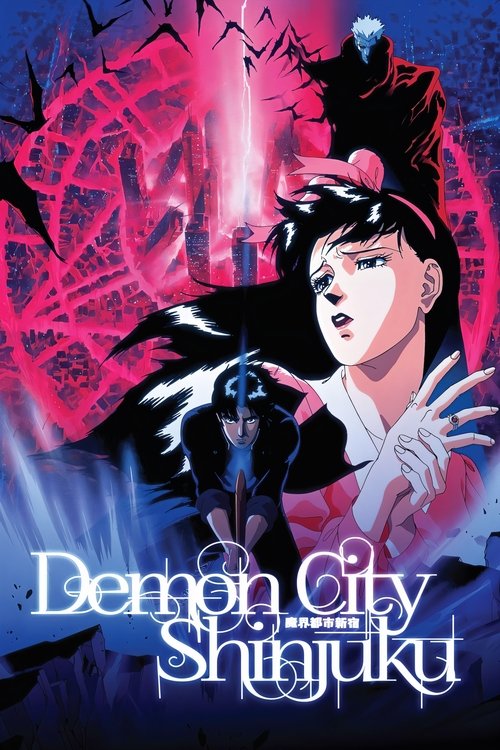
1988
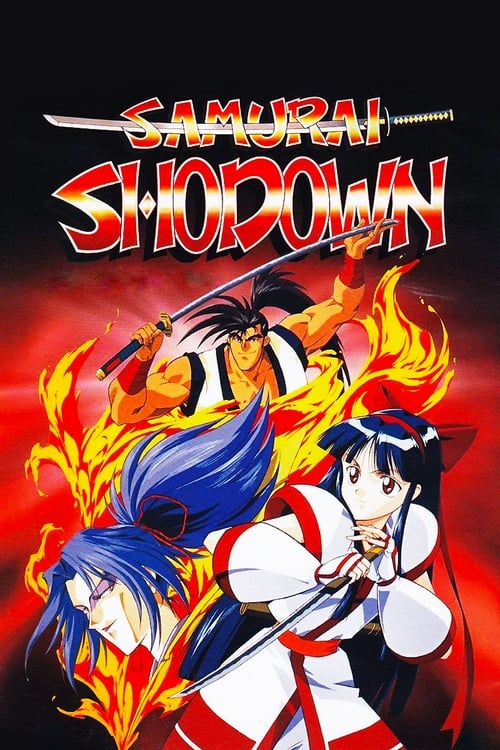
1994
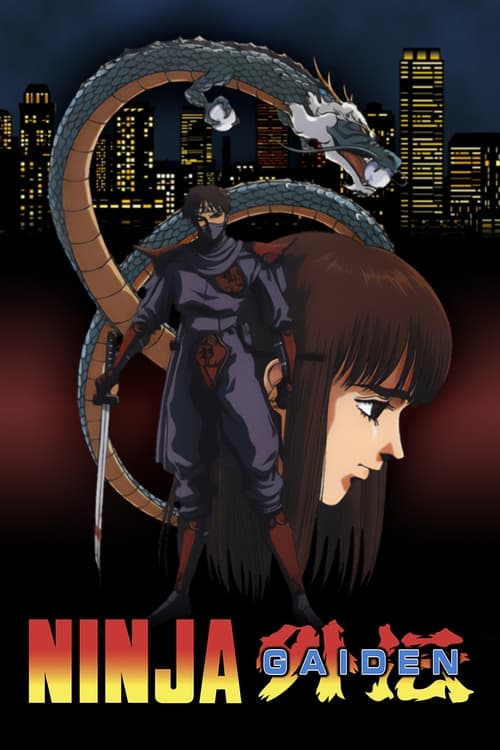
1991
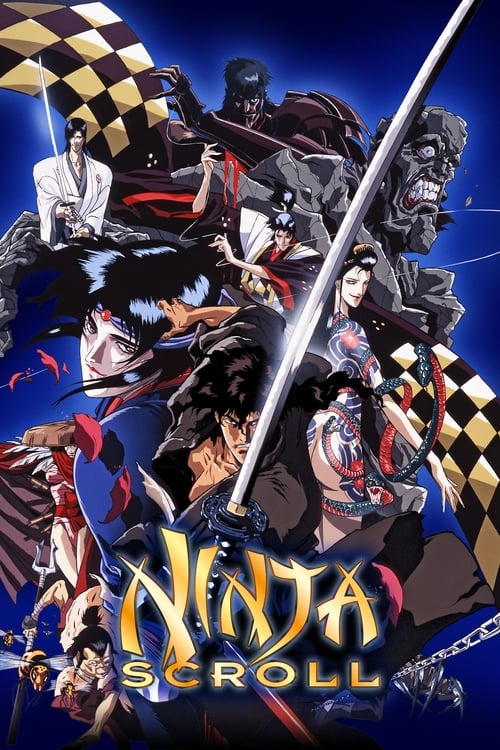
1993
1989
No reviews yet. Be the first to share your thoughts on this movie!
Use the rating form above to leave a star rating and optional review.