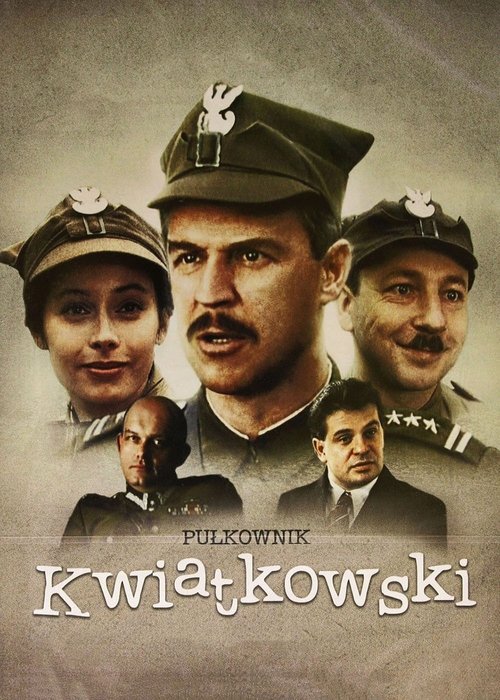
Colonel Kwiatkowski
1996
No user ratings available yet
Diversity score: 5.6 out of 10
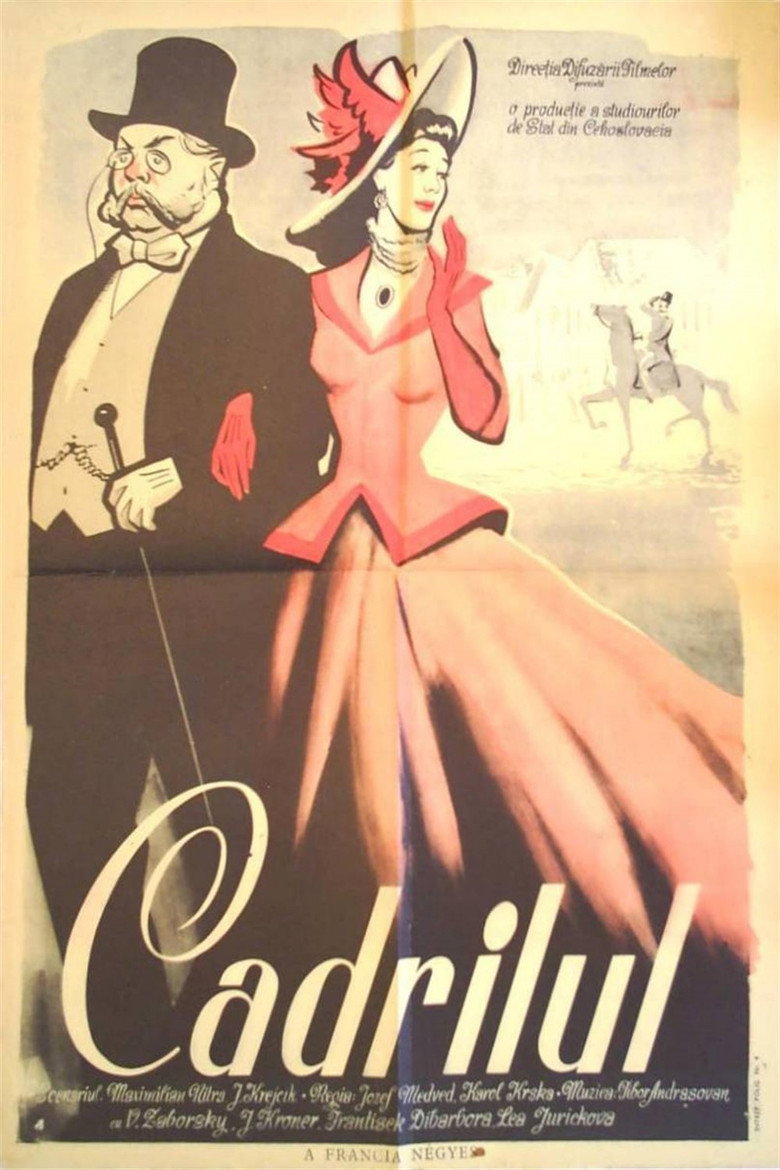
1955
Director
Jozef Medveď, Karol Krška
Runtime
84 minutes
Average Rating
No ratings yetSynopsis
A comedy film taking an ironic view of the bourgeois period prior to the First World War.
Overall Score
Fair
Category Breakdown
LGBTQ+ Representation
The film lacks explicit evidence of LGBTQ+ characters or narratives. The focus on pre-WWI social mores suggests a narrative centered on traditional heteronormative structures.
Gender Representation
The film uses irony to critique the bourgeois period, which likely disrupts conventional gender hierarchies. This approach may portray rigid patriarchal roles as performative or absurd.
Racial & Ethnic Diversity
The cast likely reflects the regional ethnic demographics of Central Europe. The narrative focuses on internal class distinctions rather than a diverse multi-ethnic tapestry.
Religious & Cultural Diversity
The work offers a strong critique of traditional Western capitalist structures and elite decadence. It prioritizes social critique over the celebration of historical institutional stability.
Disability Representation
There is no confirmed information regarding the portrayal of disability in this production.
Strengths
Areas for Improvement
AI Analysis
Štvorylka is a work of social satire that derives its progressive value from a systemic critique of the established social order. Rather than focusing on modern identity politics, the film uses irony to dismantle the perceived dignity of the pre-war ruling class. The narrative architecture frames traditional Western social structures as subjects of ridicule. This approach challenges the stability of historical class hierarchies through a lens of historical materialism. While the film excels at cultural and institutional critique, it remains limited by the historical and regional context of its era, particularly regarding racial and LGBTQ+ representation.
1996

1970

1986
2009
1938

2022
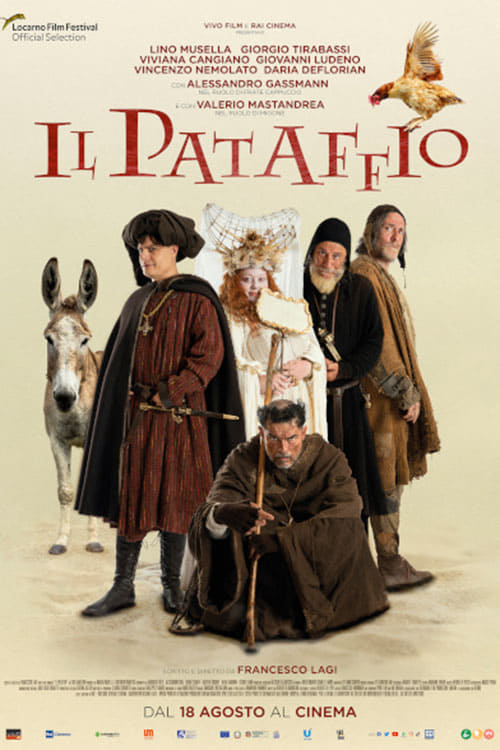
2022
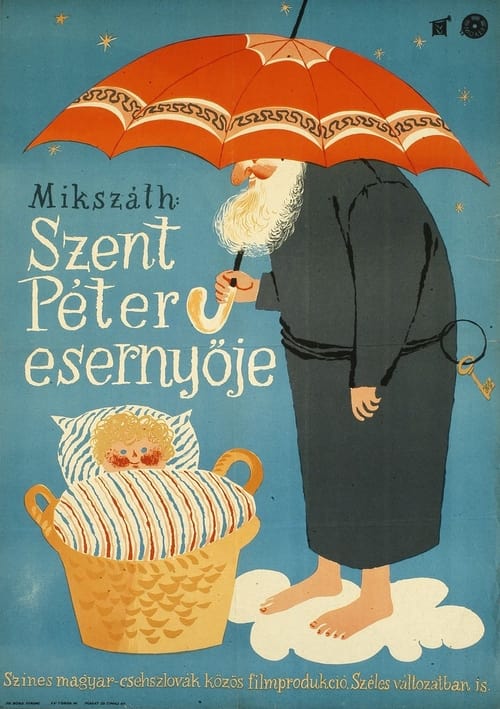
1958
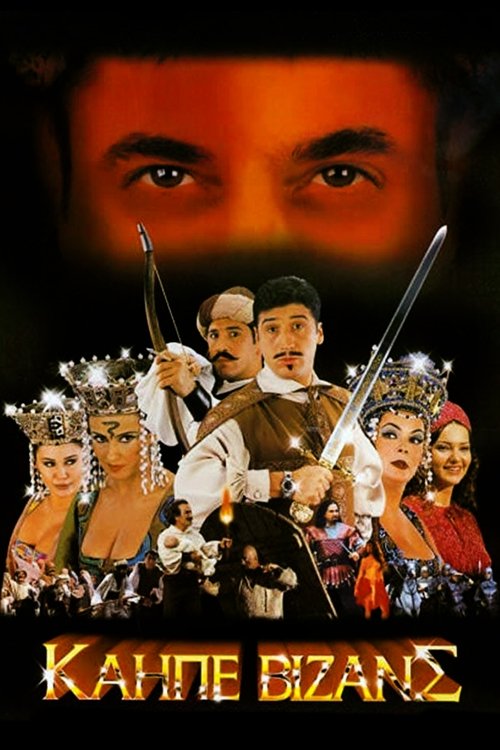
1999
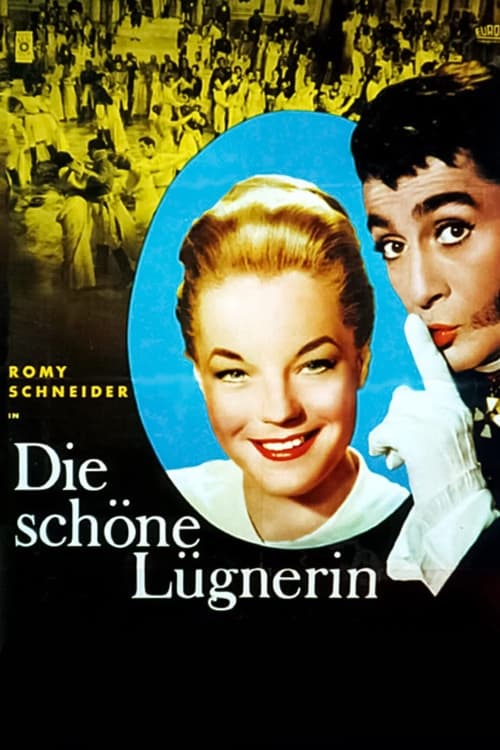
1959
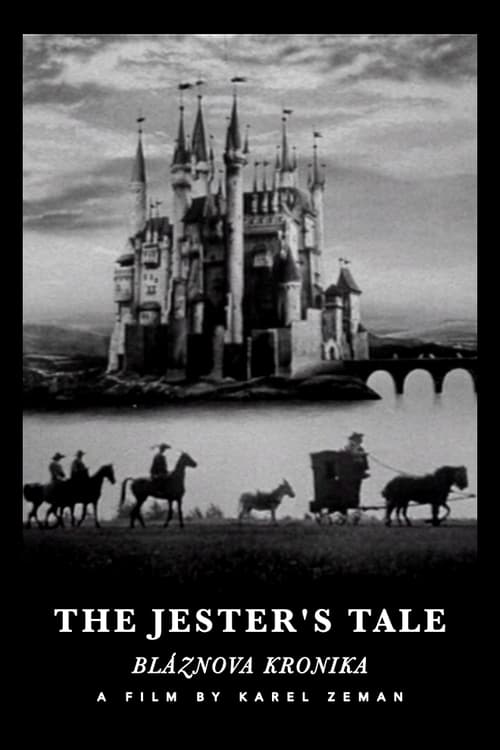
1964
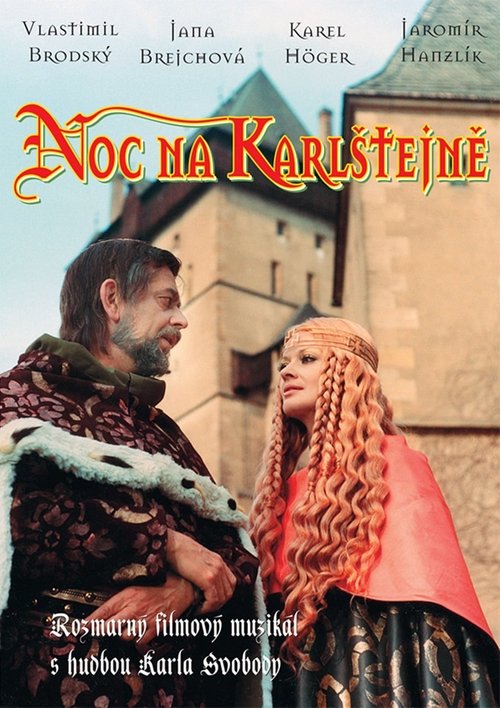
1974
No reviews yet. Be the first to share your thoughts on this movie!
Use the rating form above to leave a star rating and optional review.