Štvorylka
1955
No user ratings available yet
Representation score: 4.9 out of 10
Representation Score
Fair
2009
Not RatedDirector
Hanno Höfer, Cristian Mungiu, Constantin Popescu Jr., Ioana Uricaru, Răzvan Marculescu
Runtime
155 minutes
Average Rating
No ratings yetNew Showbiz Analysis
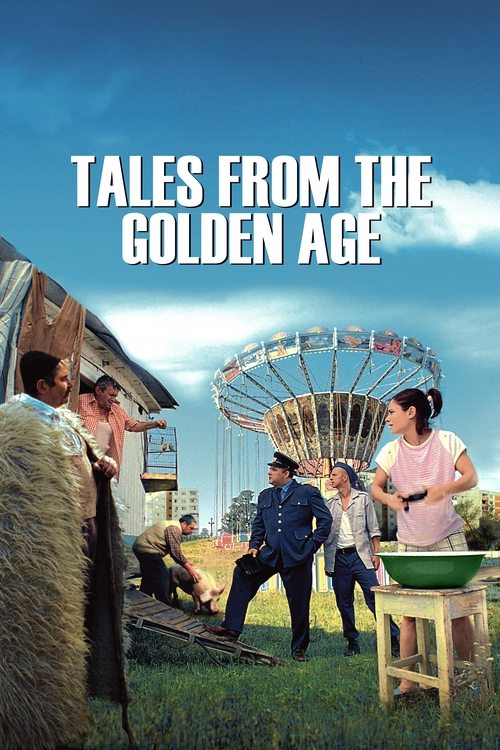
Tales from the Golden Age is a sophisticated historical examination that prioritizes systemic critique over demographic representation. It uses the specifics of the Romanian experience to explore universal themes of victimhood and the erosion of ethics under an oppressive state. The film disrupts conventional historical heroism by focusing on the moral ambiguity of ordinary people. By dismantling the myth of the 'Golden Age,' the narrative aligns with postmodern critiques of power and predatory institutions. While the film scores low in traditional diversity categories like LGBTQ+ and disability representation, it achieves high progressive value through its profound cultural critique of state-sanctioned morality.
Category Breakdown
The film focuses on the socioeconomic and political realities of Communist Romania. Queer identities and narratives about non-assuming gender matches what was assigned at birth existence are not present.
Gender is shown through the lens of historical necessity. While it highlights the struggles of women in their daily lives, it does not challenge traditional gender hierarchies.
This is a localized, ethnically homogeneous look at Romanian society. The narrative focuses on internal class dynamics and a singular nationality, rather than a diverse cast of characters.
The film excels by criticizing institutional stability and state corruption. It shows how families and communities break down due to systemic oppression.
Characters with visible or invisible disabilities are not given central narrative roles. The focus remains on the psychological impact of scarcity and state surveillance.
Present on Screen
Limited or Absent
Official Synopsis
Composed of six unconventional vignettes, each one dealing with the late communist period in Romania, a narrative is told through its urban myths from the perspective of ordinary people. The title refers to the alluded "Golden Age" of the last 15 years of Ceaușescu's regime.
1955
2006
1967

1964

2022

2002
1996
1958
No reviews yet. Be the first to share your thoughts on this movie!
Use the rating form above to leave a star rating and optional review.