Josefine M.
1970
No user ratings available yet
Representation score: 5.4 out of 10
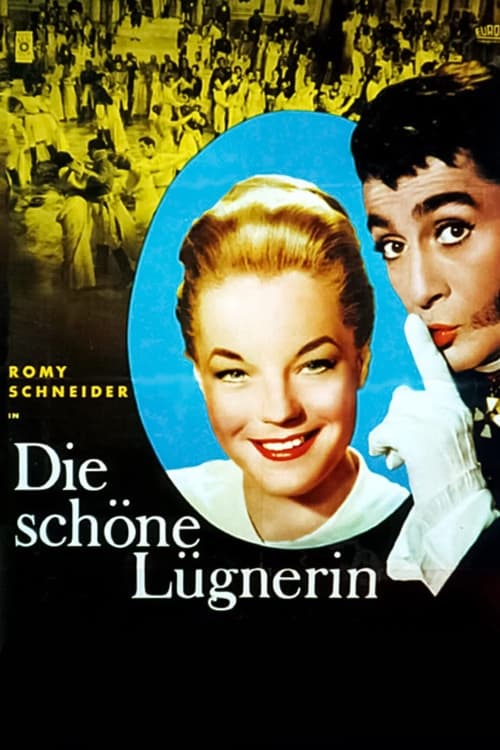
Representation Score
Limited
1959
Director
Axel von Ambesser
Runtime
94 minutes
Average Rating
No ratings yetNew Showbiz Analysis
Die schöne Lügnerin is a traditional period comedy that upholds the historical and social hierarchies of 1815 Vienna. The narrative structure favors classic storytelling over challenging systemic power dynamics. The film lacks complexity in intersecting identities, focusing instead on a romantic relationship between a female artisan and a male servant. This approach adheres to the social norms and heterosexual clichés of the late 1950s. Ultimately, the work serves as a Eurocentric historical piece. It lacks the intentional subversion of gender, race, or identity needed to challenge the status quo of its setting.
Category Breakdown
The film does not show any non-traditional gender identities or same-sex relationships. The romance between a corsetmaker and a valet follows typical heterosexual structures.
A female artisan gains economic independence through her trade. However, the story relies on traditional romantic clichés and the social norms of 1815 Vienna.
The cast reflects an ethnically uniform group typical of its time and place. There is no indication of diverse ethnic perspectives or race-bent casting.
This period comedy highlights the social norms and class structures of the Napoleonic era. It emphasizes traditional moral frameworks and Western aesthetic values.
The narrative centers on class-based romantic conflicts. There is no mention of characters dealing with physical disabilities or neurodivergence.
Present on Screen
Limited or Absent
Official Synopsis
In 1815 Vienna, a corsetmaker falls in love with a valet.
1970
1971
1971
1955

1986
1975
1938
1945
No reviews yet. Be the first to share your thoughts on this movie!
Use the rating form above to leave a star rating and optional review.