Operation Dunaj
2009
No user ratings available yet
Representation score: 1.8 out of 10
Representation Score
Fair
1996
Director
Kazimierz Kutz
Runtime
123 minutes
Average Rating
No ratings yetNew Showbiz Analysis
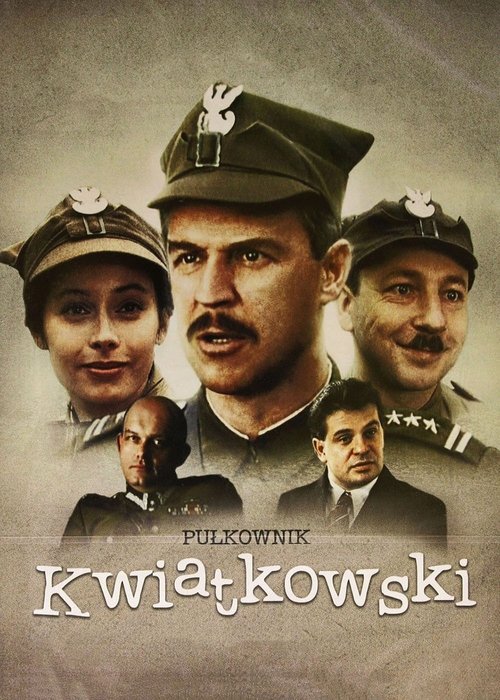
Colonel Kwiatkowski subverts the typical military drama by emphasizing social deception rather than traditional valor. The protagonist navigates a fractured post-war landscape through improvisation and performance, offering a critical view of rigid hierarchies. The film excels in its cultural critique, using the instability of the Western Territories to question institutional authority. However, the narrative remains largely homogeneous, focusing on a specific European demographic and conventional romantic structures. While the film provides nuanced social commentary, it lacks representation for LGBTQ+ identities and disabilities, remaining focused on the specific ethno-national tensions of the era.
Category Breakdown
The film focuses on a traditional romantic relationship between the main character and his pre-war neighbor, Krysia. There are no clear examples of LGBTQ narratives or non-cisgender identities in the story.
Krysia plays a crucial role as an emotional and historical anchor for the narrative. While the male protagonist drives the plot, the film examines gender roles and performances within the 'Polonia' hotel setting.
The story is set in a specific post-war Polish context. It explores ethnic tensions through the conflict between Polish citizens and Russian officers, rather than featuring a diverse cast of ethnicities.
The film provides a sophisticated critique of institutional stability and social hierarchies. It uses the protagonist's false identity to challenge the sanctity of official post-war structures.
There is no clear depiction of physical or neurodivergent disabilities in the narrative.
Present on Screen
Limited or Absent
Official Synopsis
Military doctor Kwiatkowski, serving in a barracks hospital on the Western Territories, is rewarded with a week’s leave after successfully operating on Colonel Kiziora of the UB. He and his friend steal a truck bound for Warsaw, where among the ruins of his former home he meets his prewar neighbor Krysia, instantly falls in love, and, after a brawl with a Russian officer at a dance in the surviving “Polonia” hotel, pretends to be a high-ranking UB colonel to save face.
2009

1989
2004

1981
2012

2022
1971
1998
No reviews yet. Be the first to share your thoughts on this movie!
Use the rating form above to leave a star rating and optional review.