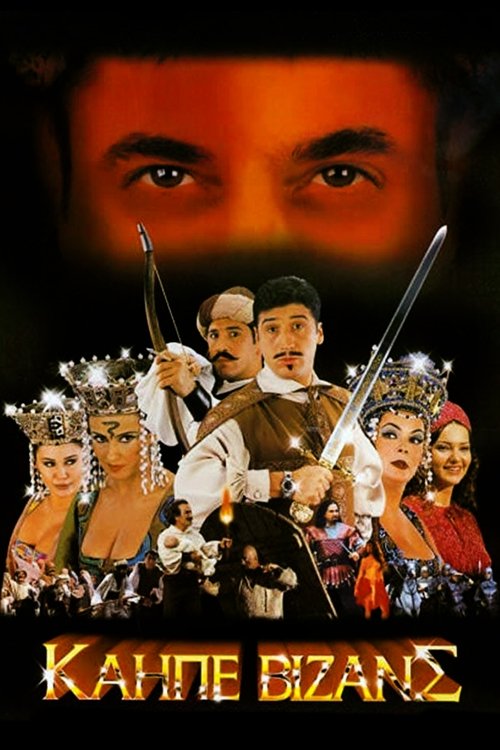
Perfidious Byzantine
1999
No user ratings available yet
Diversity score: 3.8 out of 10
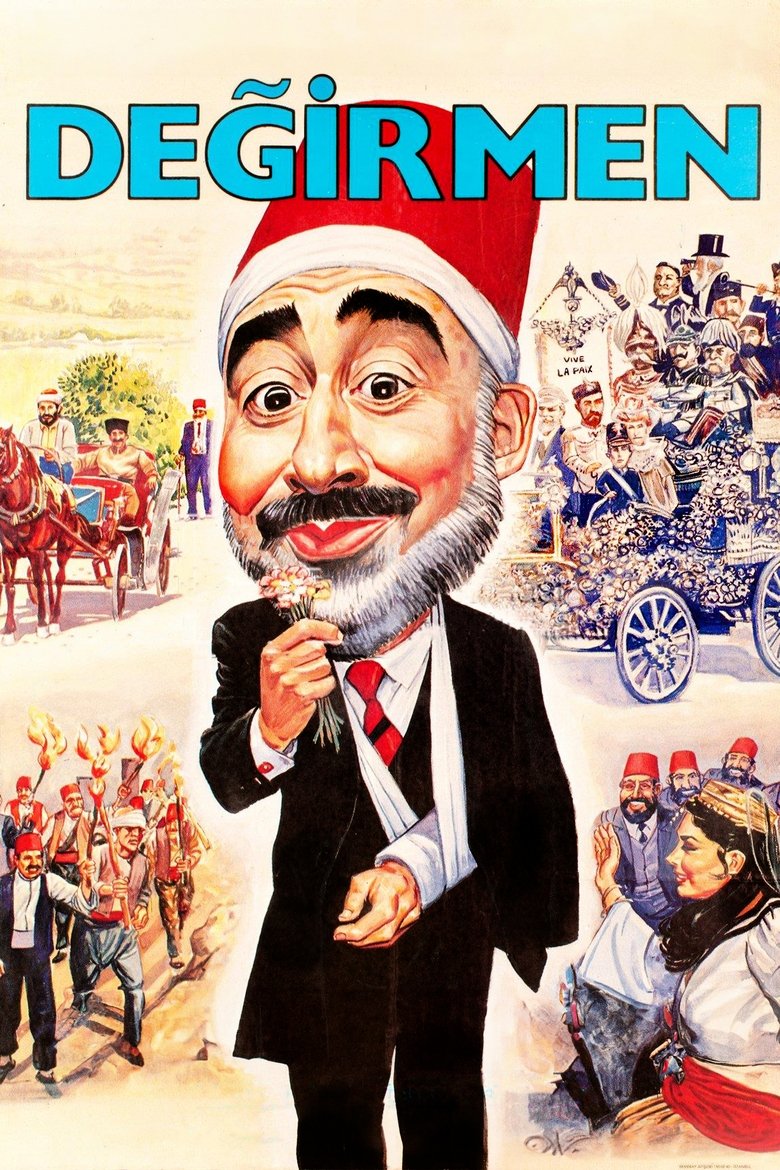
1986
Director
Atıf Yılmaz
Runtime
99 minutes
Average Rating
No ratings yetSynopsis
In the last years of the Ottoman Empire, a poor little Anatolian town named Saripinar is hit by a minor earthquake which has neither destroyed nor left it with many casualties. However, a telegraph sent to the central government exaggerates the situation and mentions that the governor of the town has been severely wounded, making the event a nationwide matter.
Overall Score
Fair
Category Breakdown
LGBTQ+ Representation
The film operates within a traditional social framework. There is no explicit depiction of non-cisnormative identities or same-sex intimacy within the narrative.
Gender Representation
The story explores the tension between female autonomy and rigid village structures. It portrays the struggle for female agency against established patriarchal norms.
Racial & Ethnic Diversity
Set in rural Anatolia, the film reflects the demographic realities of the late Ottoman era. It focuses on localized social stratification rather than multi-ethnic intersectionality.
Religious & Cultural Diversity
The narrative critiques traditionalism and the corruption of local power. It challenges communal authority by depicting the oppressive nature of traditional social codes.
Disability Representation
There is no substantive evidence of characters with disabilities serving as central agents. The mention of a wounded governor does not establish a disability narrative.
Strengths
Areas for Improvement
AI Analysis
Atıf Yılmaz uses this historical comedy to deconstruct established hierarchies and the friction between individual identity and communal tradition. The film's strength lies in its progressive critique of patriarchal stability and local governance. However, the work lacks explicit representation regarding LGBTQ+ identities and multi-ethnic diversity. It remains rooted in a specific, localized demographic that reflects its late Ottoman setting. Ultimately, the film champions individual agency against restrictive social codes, making it a sophisticated study of social modernization despite its narrow demographic scope.
1999
2009

1982
1964
1966
1983
1977

1978
No reviews yet. Be the first to share your thoughts on this movie!
Use the rating form above to leave a star rating and optional review.