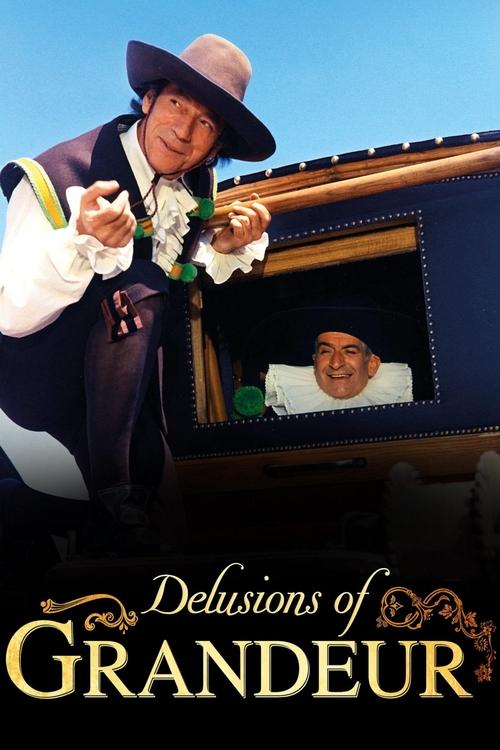
Delusions of Grandeur
1971
No user ratings available yet
Representation score: 3.9 out of 10
Representation Score
Limited
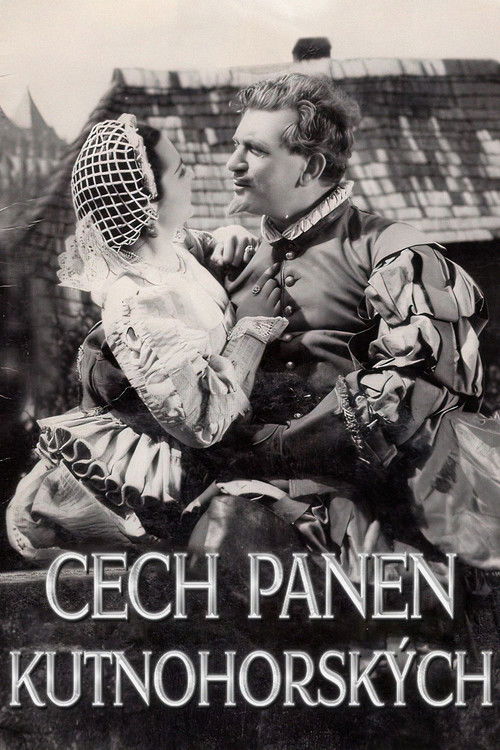
1938
Director
Otakar Vávra
Runtime
85 minutes
Average Rating
No ratings yetNew Showbiz Analysis
Otakar Vávra’s 1938 adaptation functions primarily as a class-based critique. It finds its strength in depicting the systemic friction between the working class and a corrupt landed elite, using comedy to explore social inequity. However, the film remains tethered to the demographic norms of its era. It lacks racial diversity and queer representation, presenting a culturally uniform society that reflects the period's standard social structures. While the film gives real power to female characters to drive the plot, it does not fully challenge traditional gendered power dynamics.
Category Breakdown
The film lacks depictions of non-straight relationships or same-sex intimacy. It adheres to the assumption that everyone is straight or cisgender, reflecting the social norms of 1938 and the original source material.
Female protagonists drive the comedic conflict through wit and social maneuvering. While these women play a significant role in driving the story, they largely operate within established social frameworks.
The cast appears ethnically homogeneous, reflecting the production's 1938 context and the English setting. There is no evidence of non-Anglo-Saxon characters or color-blind casting.
The story highlights socioeconomic tensions by pitting a morally questionable lord against thieving, corrupt elites. This framing critiques traditional class hierarchies and prioritizes working-class struggles.
There is no documented evidence regarding the portrayal of physical or neurodivergent disabilities in this production.
Present on Screen
Limited or Absent
Official Synopsis
A morally questionable lord comes to the aid of a working class man who is to be executed for speaking out about thieving rich scoundrels sticking it to the poor.
1971

1940

1970
1955

1969

2002

2022
1958
No reviews yet. Be the first to share your thoughts on this movie!
Use the rating form above to leave a star rating and optional review.