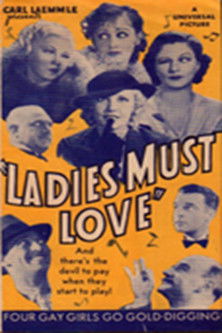
Ladies Must Love
1933
No user ratings available yet
Representation score: 1.0 out of 10

Representation Score
Limited
1936
ApprovedDirector
Edward H. Griffith
Runtime
97 minutes
Average Rating
No ratings yetNew Showbiz Analysis
Ladies in Love is a product of its historical era, functioning as a traditional romantic comedy. While it provides a moderate level of women's ability to drive the story by centering its protagonists, it remains deeply rooted in the social and demographic norms of the 1930s. The film lacks multi-layered complexity, offering almost no racial diversity or representation of disability. It operates within a narrow, straight-centered framework that prioritizes high-society romantic clichés over systemic critique or diverse perspectives. Ultimately, the film's strength lies in its female-led comedic energy, but its lack of cultural and racial breadth keeps its diversity score low.
Category Breakdown
The film follows traditional heterosexual romantic structures typical of the 1930s. There is no evidence of non-binary gender identities or same-sex relationships within the narrative.
The story centers on women's ability to drive the plot through social maneuvering. Female characters play a significant role in the comedic engine rather than being passive subjects.
The production reflects the era's standard casting practices with a homogeneous, largely Anglo-centric cast. There is no evidence of racial blending or non-white characters in the narrative.
The film depicts middle-to-upper-class social dynamics and reinforces 1930s social structures. It focuses on high-society etiquette and romantic stability rather than challenging Western norms.
There are no visible or invisible disabilities portrayed within the narrative. Characters function within the standard physical and neurotypical parameters of the romantic comedy genre.
Present on Screen
Limited or Absent
Official Synopsis
Three young women in Budapest share living quarters while searching for romance.
1933

1946
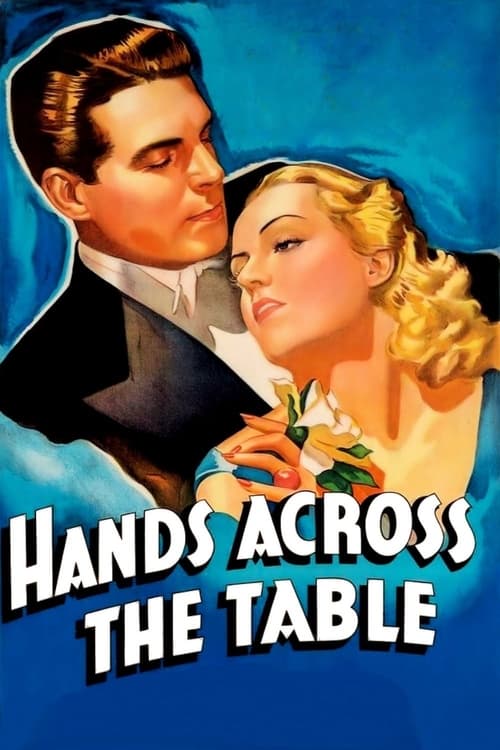
1935
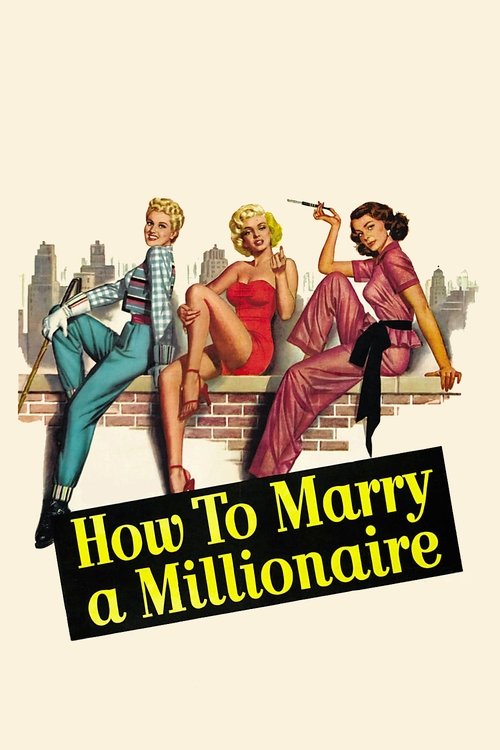
1953
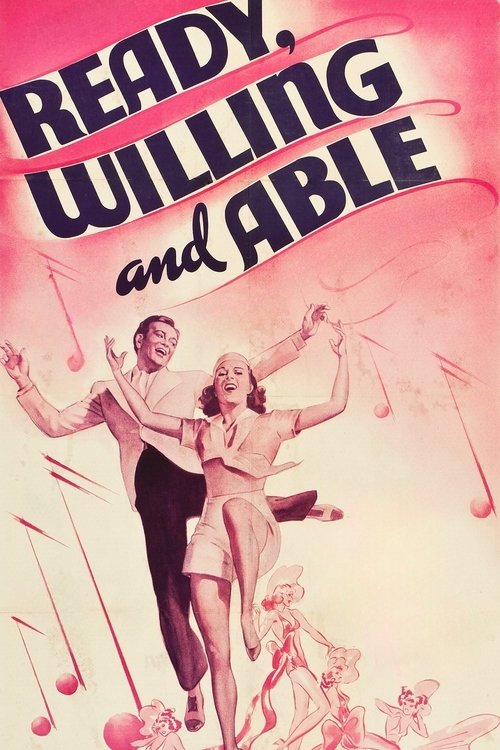
1937
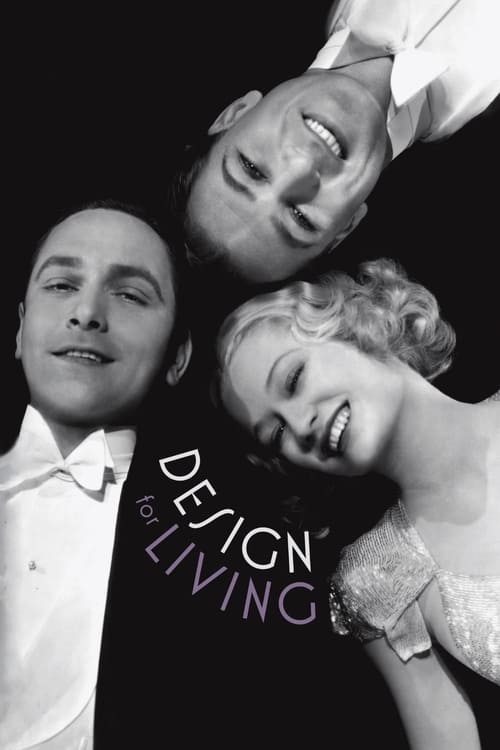
1933
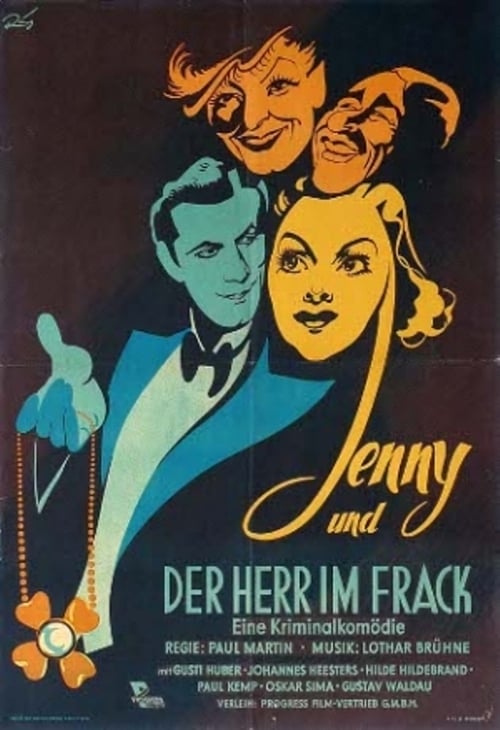
1941
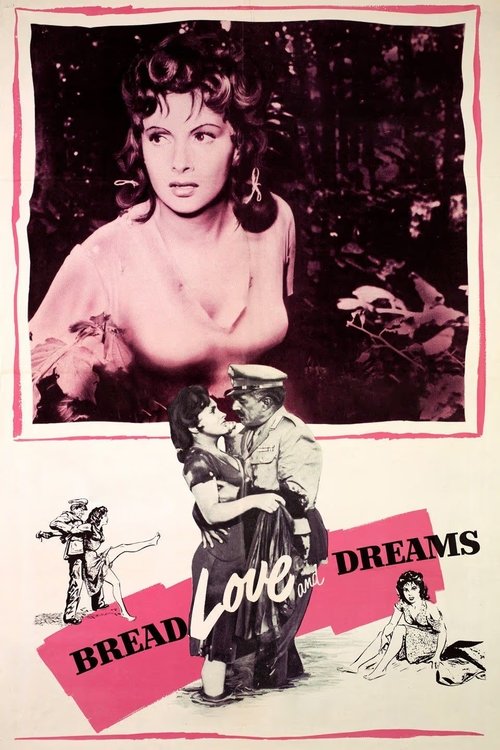
1953
No reviews yet. Be the first to share your thoughts on this movie!
Use the rating form above to leave a star rating and optional review.