Desenrola
2011
No user ratings available yet
Diversity score: 5.1 out of 10
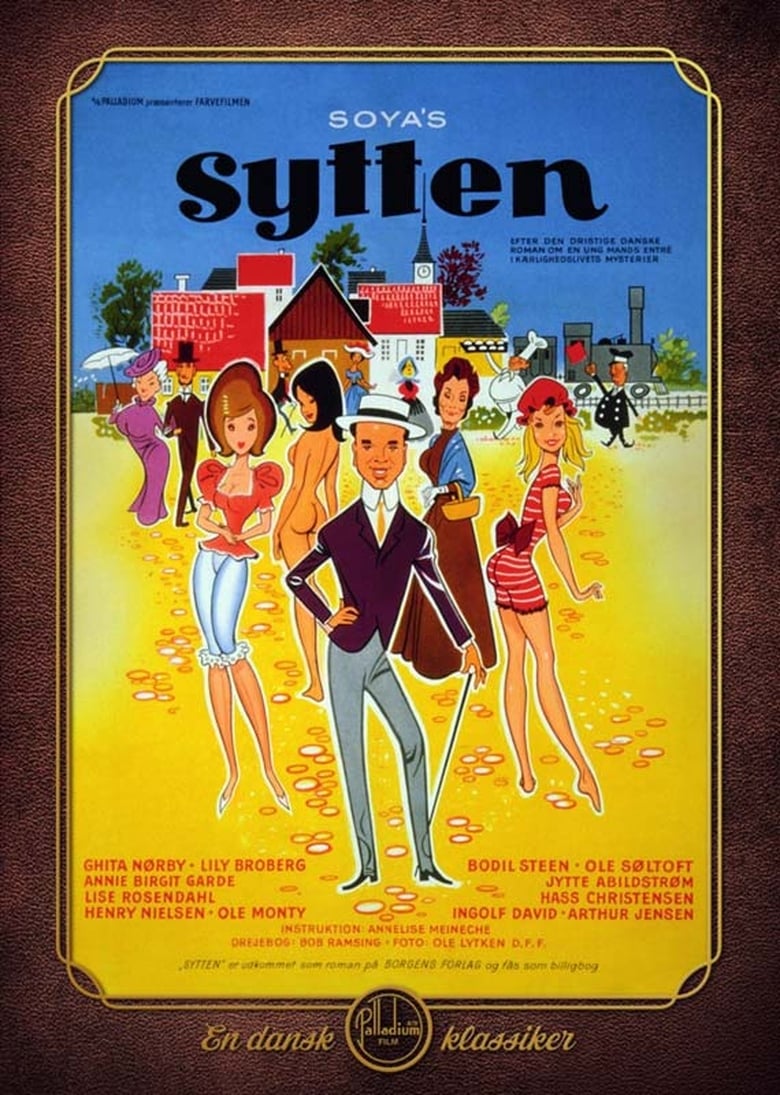
1965
Director
Annelise Meineche
Runtime
87 minutes
Average Rating
No ratings yetSynopsis
In the summer of 1913, 17-year-old Jacob (Ole Soltoft), a Danish high school student, lives in the frustrating limbo between boyhood and manhood. He worries about his excessive focus on masturbation and, although he is aware of the sexual overtures by the housemaid Sophie (Lise Rosendahl), Jacob doesn't know how to respond to her.
Overall Score
Fair
Category Breakdown
LGBTQ+ Representation
The narrative focuses on adolescent sexual awakening within a traditional romantic framework. There is no explicit evidence of queer identities or non-heteronormative characters present.
Gender Representation
The film subverts patriarchal tropes by presenting a female domestic worker with sexual agency. The protagonist's struggle with inadequacy shifts the focus away from typical male conquest.
Racial & Ethnic Diversity
Set in 1913 Denmark, the cast reflects the demographic homogeneity of the era. There is no evidence of diverse casting or intersectional representation.
Religious & Cultural Diversity
The story explores taboo psychological realities and adolescent development. This approach moves away from rigid moralism toward a more subjective, character-driven exploration of human nature.
Disability Representation
The provided material contains no mention of physical or neurodivergent disabilities. Consequently, no representation in this category can be identified.
Strengths
Areas for Improvement
AI Analysis
The film offers a nuanced psychological study of adolescence that departs from the strict moralism of its era. By focusing on the protagonist's internal confusion and sexual development, it prioritizes character depth over idealized social structures. However, the film remains limited by the historical context of its setting. The lack of racial and LGBTQ+ diversity reflects the demographic homogeneity of early 20th-century Denmark, offering little intersectional breadth. Ultimately, the work succeeds in subverting gendered power dynamics through its depiction of female agency, even while remaining within a traditional demographic framework.
2011

1965

2014
1974
1972

2013
No reviews yet. Be the first to share your thoughts on this movie!
Use the rating form above to leave a star rating and optional review.