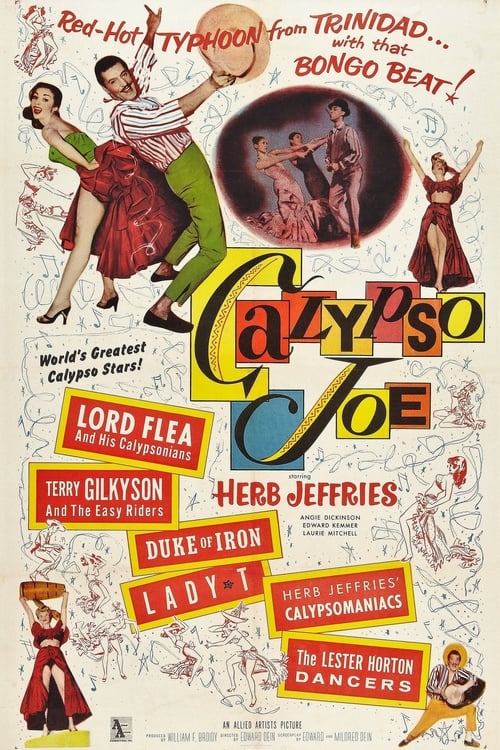
Calypso Joe
1957
No user ratings available yet
Representation score: 2.5 out of 10

Representation Score
Limited
1956
NRDirector
Nicholas Ray
Runtime
85 minutes
Average Rating
No ratings yetNew Showbiz Analysis
Hot Blood is a mid-century melodrama that adheres to the social norms of its era. While it lacks significant racial or LGBTQ+ diversity, it finds progressive value through its portrayal of gender dynamics. By focusing on a female lead whose emotional influence drives the plot, the film subtly challenges the passive female stereotype. Nicholas Ray’s direction adds psychological depth that elevates the work beyond simple genre clichés. Ultimately, the film remains tied to the traditional frameworks of 1950s cinema, emphasizing personal conflicts over broader social issues.
Category Breakdown
The film follows the straight-centered norms of the 1950s. There is no depiction of non-binary gender identities or same-sex relationships.
Annie Caldash offers strong representation through her fiery personality. Her emotional influence shifts the power dynamic away from the male protagonist.
The film features a predominantly white, Anglo-Saxon cast typical of mid-century productions. There are no characters of color with significant roles or influence.
The story centers on personal drama rather than critiquing societal structures. It aligns with the moral standards and Western norms of its time.
There are no visible representations of physical, sensory, or neurodivergent disabilities. Characters exist within a standard able-bodied context.
Present on Screen
Limited or Absent
Official Synopsis
Stephen Torino, who is tricked by his brother Marco into an arranged marriage with tempestuous Annie Caldash. Annie is willing to give the union a go, but Torino wants none of it.
1957
1952
1952
1956
1936
1956
1960
1961
No reviews yet. Be the first to share your thoughts on this movie!
Use the rating form above to leave a star rating and optional review.