
Melody of Love
1952
No user ratings available yet
Representation score: 2.8 out of 10

Representation Score
Limited
1936
Director
Zoltan Korda
Runtime
68 minutes
Average Rating
No ratings yetNew Showbiz Analysis
Forget Me Not is a period romantic drama that adheres strictly to the social and cinematic conventions of 1936. While it incorporates international elements, it remains deeply embedded in traditional clichés. The film's diversity is limited by its focus on conventional romantic resolutions and established social hierarchies. While the male lead provides a sensitive portrayal of masculinity, the female lead's journey is defined by her romantic circumstances rather than independent ability to act. Ultimately, the production functions as a standard romantic melodrama of its time, offering little disruption to the era's prevailing cultural or gendered norms.
Category Breakdown
The film does not include any characters with non-straight or non-cisgender identities. The plot follows traditional romantic structures typical of the mid-1930s.
A female protagonist drives the emotional narrative, though her role is limited by romantic victimization. The male lead portrays a sensitive version of masculinity through his role as a widowed opera star.
The story introduces ethnic variety via an Italian protagonist. However, this cross-cultural connection remains framed within a Eurocentric perspective common to the era.
The narrative reinforces traditional 1930s moral frameworks. It focuses on marriage and social stability rather than critiquing Western institutions or religious norms.
There is no mention of characters navigating physical or neurodivergent disabilities within the story.
Present on Screen
Limited or Absent
Official Synopsis
A young British woman, tricked into believing she was used during a whirlwind romance, marries a gentle widowed Italian opera star, whose songs she and her first love shared.
1952

1937

1936
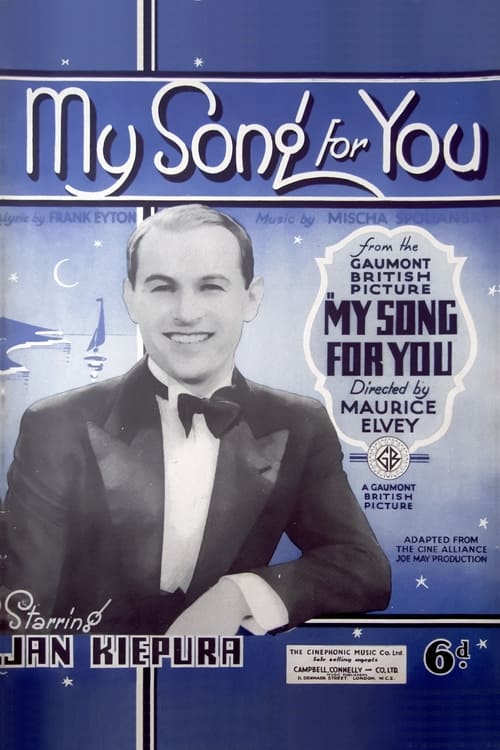
1934

1936

1956

1961

1938
No reviews yet. Be the first to share your thoughts on this movie!
Use the rating form above to leave a star rating and optional review.