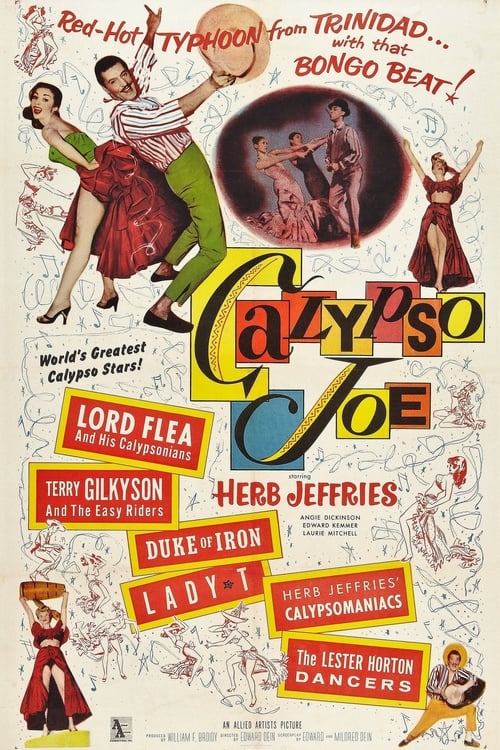
Calypso Joe
1957
No user ratings available yet
Diversity score: 3.2 out of 10

1952
ApprovedDirector
Mario Costa
Runtime
96 minutes
Average Rating
No ratings yetSynopsis
A comedy with lots of Neapolitan songs and shots of the Bay of Naples finds Maria Morelli unable to marry her singing sailor/lover, Giacomo because her father, Don Salvatdore Morelli objects. She can't elope because her father has an heart ailment and uses it to hold Maria. Giacomo misunderstands and takes off on a global singing tour.
Overall Score
Limited
Category Breakdown
LGBTQ+ Representation
The film follows standard heteronormative romantic structures. The plot focuses entirely on the central relationship between a male sailor and a female singer.
Gender Representation
Maria serves as the emotional driver of the story. However, her agency is limited by patriarchal structures and the authority of her father.
Racial & Ethnic Diversity
The film celebrates Neapolitan heritage through regional music and settings. The cast and environment remain ethnically homogeneous, focusing on a singular Italian identity.
Religious & Cultural Diversity
The narrative upholds traditional Western social structures and the sanctity of the nuclear family. It prioritizes romantic idealism and conventional moralities.
Disability Representation
A heart ailment is used as a central plot device to create tension. The condition serves the melodrama rather than exploring disability with nuance.
Strengths
Areas for Improvement
AI Analysis
Melody of Love is a quintessential mid-century regional melodrama that prioritizes traditional narrative arcs and romantic idealism. While it offers a rich cultural window into Neapolitan musical traditions, it functions within the established social hierarchies of its era. The film relies heavily on conventional tropes, such as using a character's physical ailment to drive plot conflict. This approach prioritizes emotional tension over a nuanced exploration of identity or agency. Ultimately, the work celebrates a specific regional identity but lacks intersectional representation, adhering to the heteronormative and patriarchal standards typical of 1950s genre filmmaking.
No reviews yet. Be the first to share your thoughts on this movie!
Use the rating form above to leave a star rating and optional review.