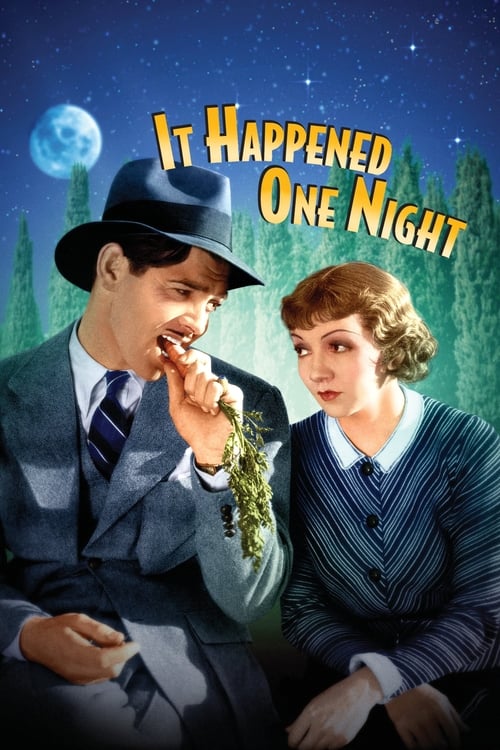
It Happened One Night
1934
No user ratings available yet
Representation score: 2.8 out of 10
Representation Score
Minimal
1956
ApprovedDirector
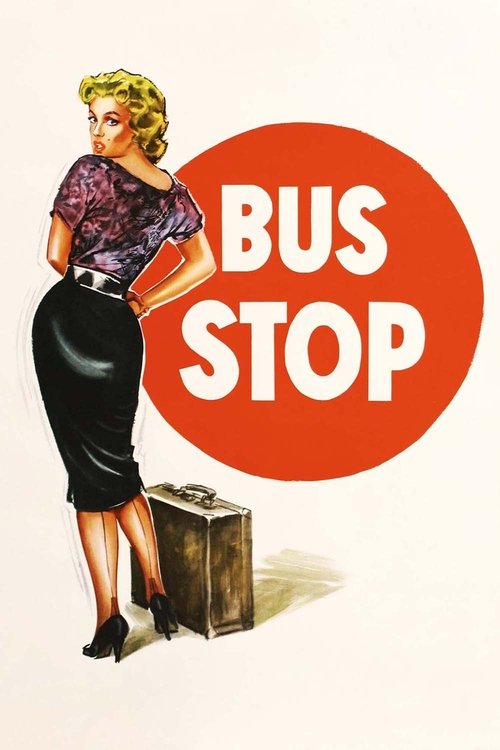
Joshua Logan
Runtime
95 minutes
Average Rating
No ratings yetNew Showbiz Analysis
Bus Stop is a classic mid-century drama that emphasizes interpersonal conflict and class-based tensions. The narrative relies on established archetypes of the time, focusing on the clash between urban and rural lifestyles. While the film offers a minor challenge to traditional gender roles through the female lead's resistance to male dominance, it remains anchored in conventional clichés. The social landscape is narrow, lacking racial diversity or any representation of LGBTQ+ identities. Ultimately, the film operates within a traditional framework that avoids systemic critique, focusing instead on reconciling different social classes and manners.
Category Breakdown
The film adheres to a structure that assumes everyone is straight. There is no representation of LGBTQ+ identities or non-traditional gender roles.
The story highlights the tension between male dominance and female independence. While the female lead shows some resistance to male aggression, her role is often reactive rather than proactive.
The cast is predominantly white, reflecting the demographics typical of 1950s cinema. The film focuses on a specific Western demographic without incorporating diverse racial perspectives.
The film contrasts urban sophistication with rural simplicity. It portrays rural characters through a different code of honor but ultimately upholds traditional social structures.
There is no depiction of physical, sensory, or neurodivergent disabilities. The storyline does not explore any disability-related themes.
Present on Screen
Limited or Absent
Official Synopsis
Cowboys Beauregard Decker and Virgil Blessing attend a rodeo in Phoenix, where Decker falls in love with beautiful cafe singer Cherie. He wants to take Cherie back to his native Montana and marry her, but she dreams of traveling to Hollywood and becoming famous. When she resists his advances, Decker forces Cherie onto the bus back to Montana with him, but, when the bus makes an unscheduled stop due to bad weather, the tables are turned.
1934
1962
1964

1955
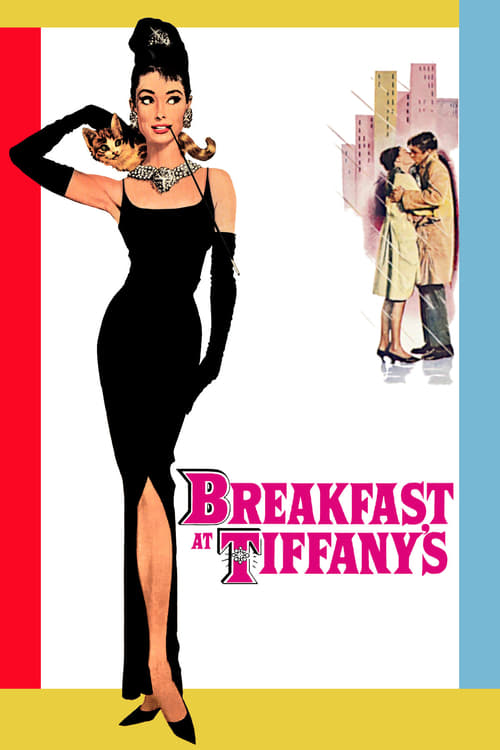
1961
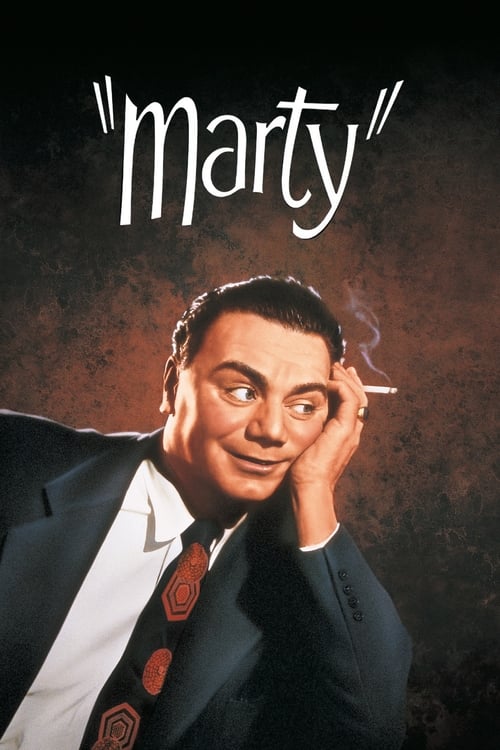
1955
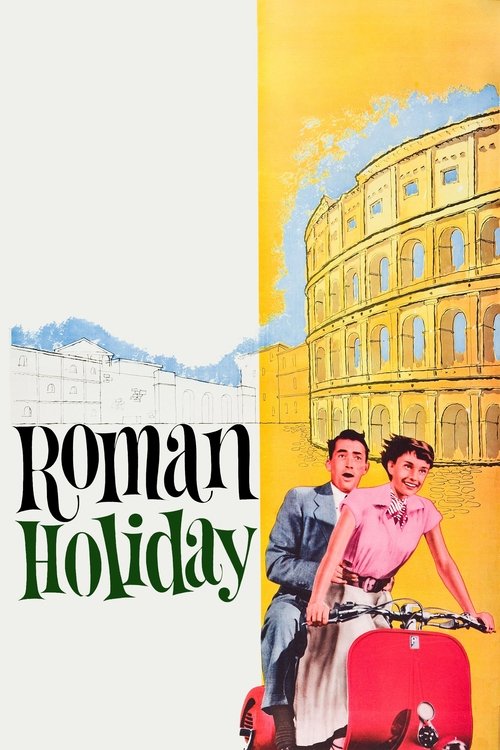
1953
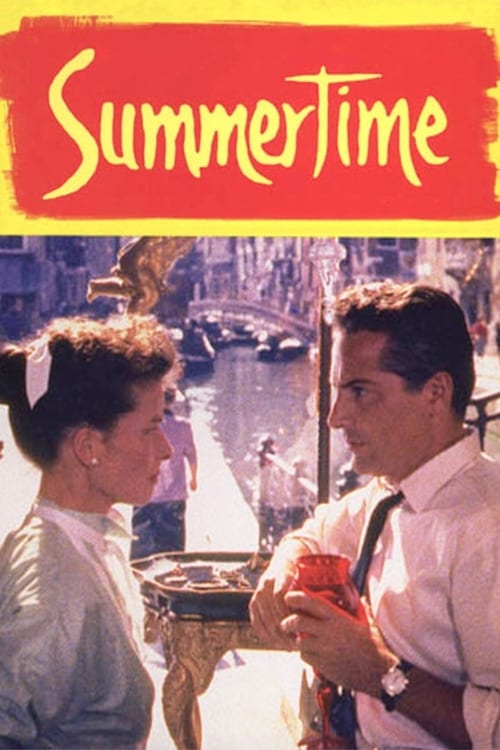
1955
No reviews yet. Be the first to share your thoughts on this movie!
Use the rating form above to leave a star rating and optional review.