
El Rey De Oros
1984
No user ratings available yet
Representation score: 0.3 out of 10

Representation Score
Limited
1961
Director
Hugo del Carril
Runtime
90 minutes
Average Rating
No ratings yetNew Showbiz Analysis
Amorina is a mid-century character drama that adheres closely to the social and narrative norms of its time. The film emphasizes traditional emotional struggles, particularly those faced by a woman dealing with familial abandonment. While the female protagonist provides a strong emotional anchor, the story's structure remains tied to traditional domestic themes. The film functions as a conventional drama without attempting to challenge or deconstruct systemic hierarchies or promote diverse identities. Ultimately, the work reflects the demographic and cultural landscape of 1961 Argentina without trying to subvert the period's prevailing social values.
Category Breakdown
The film does not include any characters with non-traditional gender identities or same-sex relationships. It follows the assumption that everyone is straight and cisgender, which was common in 1961 Argentine cinema.
A female protagonist is central to the story, dealing with the emotional impact of her husband leaving and abandoning her children. While this adds depth to her character, it also reinforces traditional ideas of female vulnerability.
The film reflects the demographic context of Argentina in the early 1960s. There is no evidence of whitewashing, but the film does not explicitly address diverse backgrounds or multiple aspects of identity.
The story focuses on the breakdown of traditional social bonds and family ties. It aligns with conventional social values without challenging traditional institutions.
There are no characters with visible or invisible disabilities in the narrative.
Present on Screen
Limited or Absent
Official Synopsis
A woman feels abandoned by her husband and children.
1984

1959

1936

1949

1952

1956
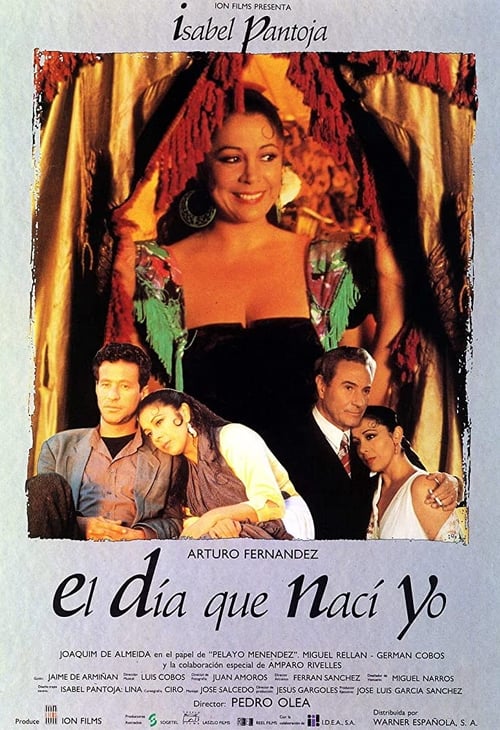
1991

1959
No reviews yet. Be the first to share your thoughts on this movie!
Use the rating form above to leave a star rating and optional review.